
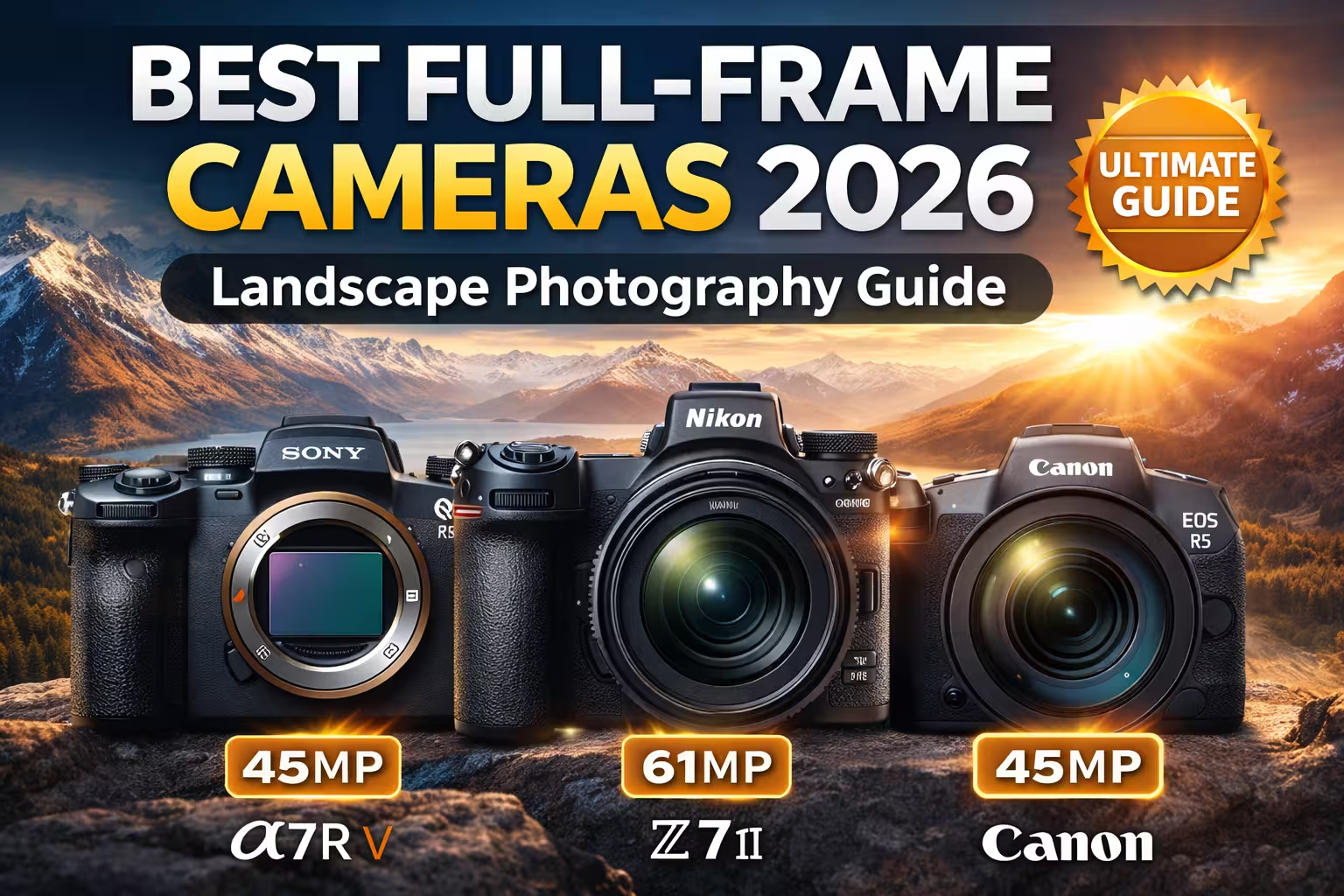
Best Full-Frame Cameras for Photographers
Landscape photography is all about capturing breathtaking vistas, intricate details, and the subtle beauty of nature. Choosing the right camera is critical, and for serious photographers, full-frame cameras for photographers are often the preferred choice. Full-frame cameras provide superior image quality, dynamic range, and low-light performance compared to crop-sensor cameras.
Whether you are photographing the misty mountains, serene lakes, or vibrant sunsets, a full-frame camera allows you to capture stunning landscapes with precision and depth. With advancements in sensor technology, autofocus, and high-resolution capabilities, modern full-frame cameras offer versatility, durability, and exceptional image quality.
In this guide, we will explore the best full-frame cameras for photographers in 2026, detailing their features, strengths, and why they are perfect for capturing the beauty of the natural world. We will also include tips for using full-frame cameras in landscape photography and provide a buying guide to help you choose the right one based on your needs.
Why Choose Full-Frame Cameras for Photographers?
Landscape photography demands high resolution, wide dynamic range, and excellent color reproduction. Here’s why full-frame cameras excel in these areas:
Superior Image Quality: Full-frame sensors are larger than APS-C or Micro Four Thirds sensors, allowing more light capture and resulting in better detail.
Wide Dynamic Range: Full-frame cameras handle highlights and shadows efficiently, crucial for landscapes with bright skies and dark foregrounds.
Low-Light Performance: Full-frame cameras maintain clarity and minimal noise in early mornings, sunsets, or nightscapes.
Lens Compatibility: Full-frame cameras are compatible with professional lenses that provide sharpness and excellent edge-to-edge quality.
For professional and enthusiast landscape photographers, these benefits make full-frame cameras for photographers a top choice.
Top Full-Frame Cameras for Photographers in 2026
1. Sony A7R V
The Sony A7R V is a powerhouse for landscape photographers. It features a 61-megapixel full-frame sensor, providing incredible detail and sharpness, even for large prints.
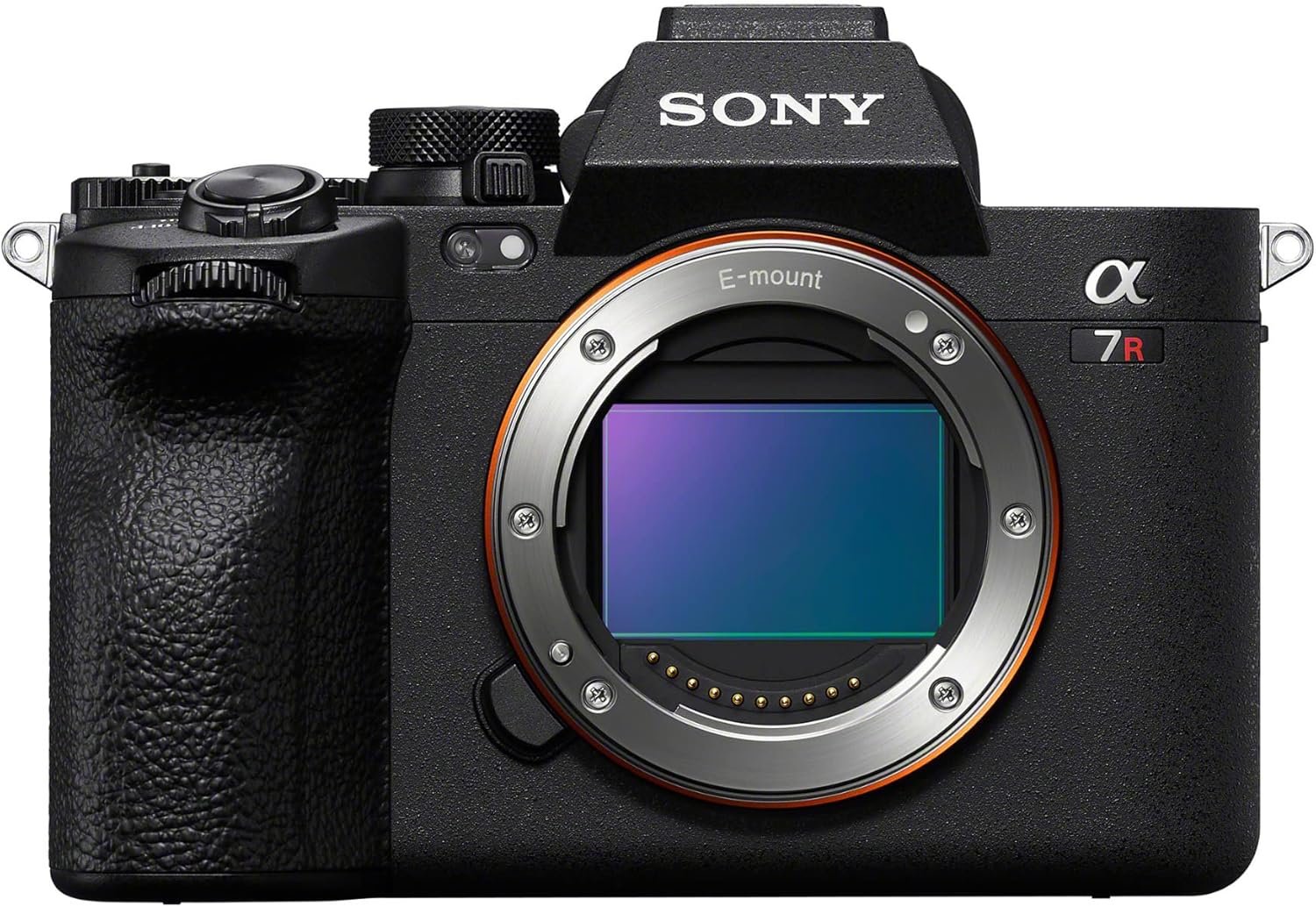
Sony A7R V
Key Features:
61MP Full-Frame Sensor
15 Stops of Dynamic Range
10 fps Continuous Shooting
Advanced In-Body Image Stabilization (IBIS)
4K Video Recording
Why It’s Great for Landscape Photography:
The high resolution allows you to crop images without losing quality, perfect for vast landscapes. Dynamic range ensures clouds and shadows retain detail, making it one of the best full-frame cameras for photographers in 2026.
2. Nikon Z9
The Nikon Z9 is Nikon’s flagship mirrorless camera, designed for professionals. With a 45.7MP full-frame sensor, it combines resolution, speed, and durability.
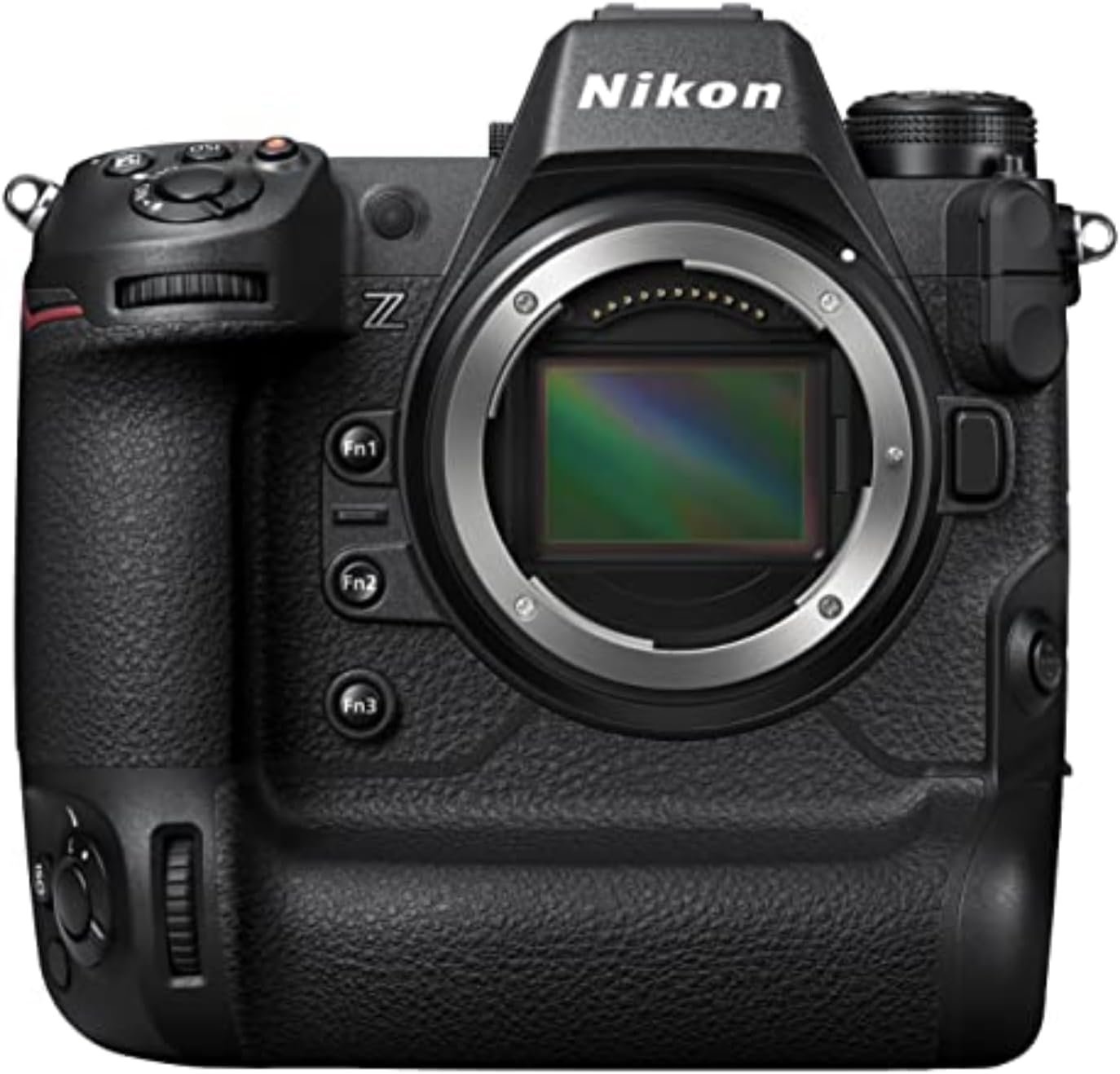
Nikon Z9
Key Features:
45.7MP Full-Frame Sensor
14+ Stops Dynamic Range
20 fps Raw Continuous Shooting
8K Video Recording
Rugged Weather-Sealed Body
Why It’s Great for Landscape Photography:
Its robust build and excellent low-light performance make it ideal for harsh outdoor conditions. Nikon’s color science is also praised for delivering natural greens and blues, essential for landscape shots.
3. Canon EOS R5
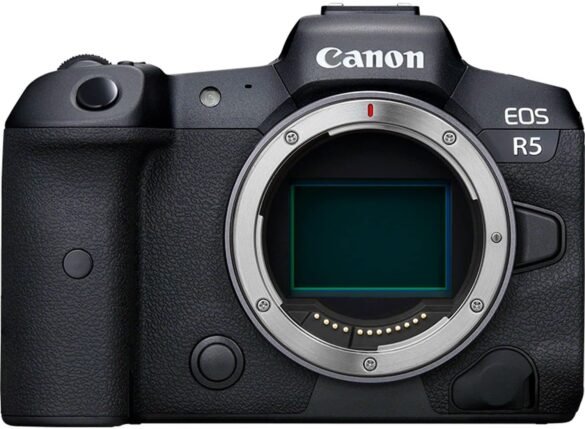
Canon’s EOS R5 has been a favorite among professional landscape photographers. Its 45MP full-frame sensor and advanced autofocus system provide stunning image quality.
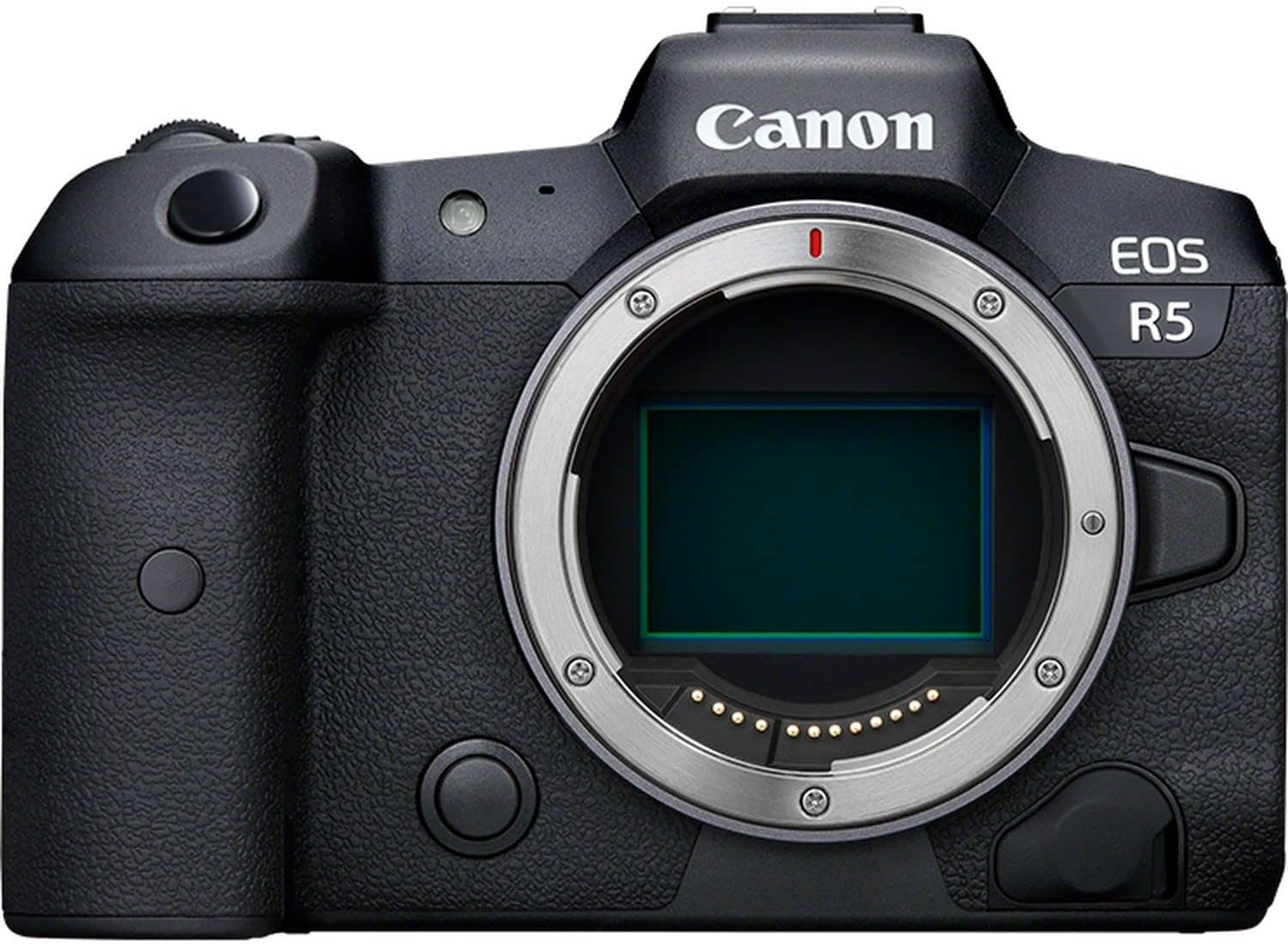
Canon EOS R5
Key Features:
45MP Full-Frame Sensor
20 fps Continuous Shooting
12 Stops Dynamic Range
In-Body Image Stabilization
8K Video Recording
Why It’s Great for Landscape Photography:
Canon’s lens ecosystem is vast, and the EOS R5’s sensor captures vibrant colors and fine detail. It’s highly versatile, making it perfect for both wide landscapes and intricate nature photography.
4. Nikon D850
Though not mirrorless, the Nikon D850 DSLR remains a favorite for landscape photographers. Its 45.7MP full-frame sensor and optical viewfinder appeal to photographers who prefer traditional shooting.
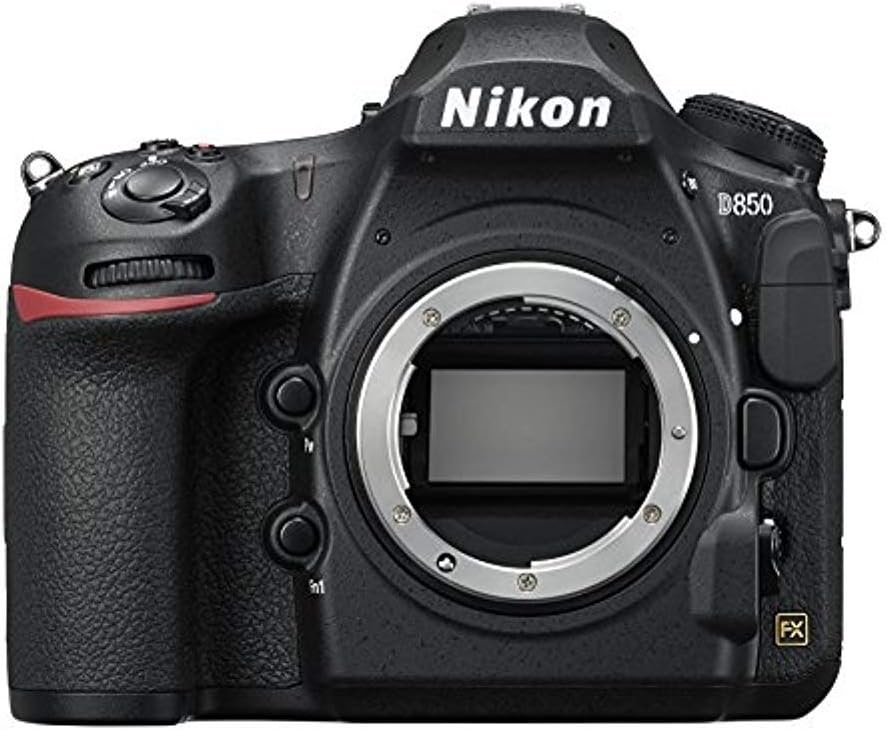
Nikon D850
Key Features:
45.7MP Full-Frame Sensor
Excellent Dynamic Range
153-Point AF System
Robust Build Quality
Long Battery Life
Why It’s Great for Landscape Photography:
The D850 offers exceptional image quality and handling, perfect for long exposure landscapes. Its optical viewfinder helps photographers compose shots with accuracy, making it a classic choice among full-frame cameras for photographers.
5. Sony A1
Sony’s A1 is a versatile full-frame camera with 50.1MP resolution, perfect for photographers who need high detail and speed.
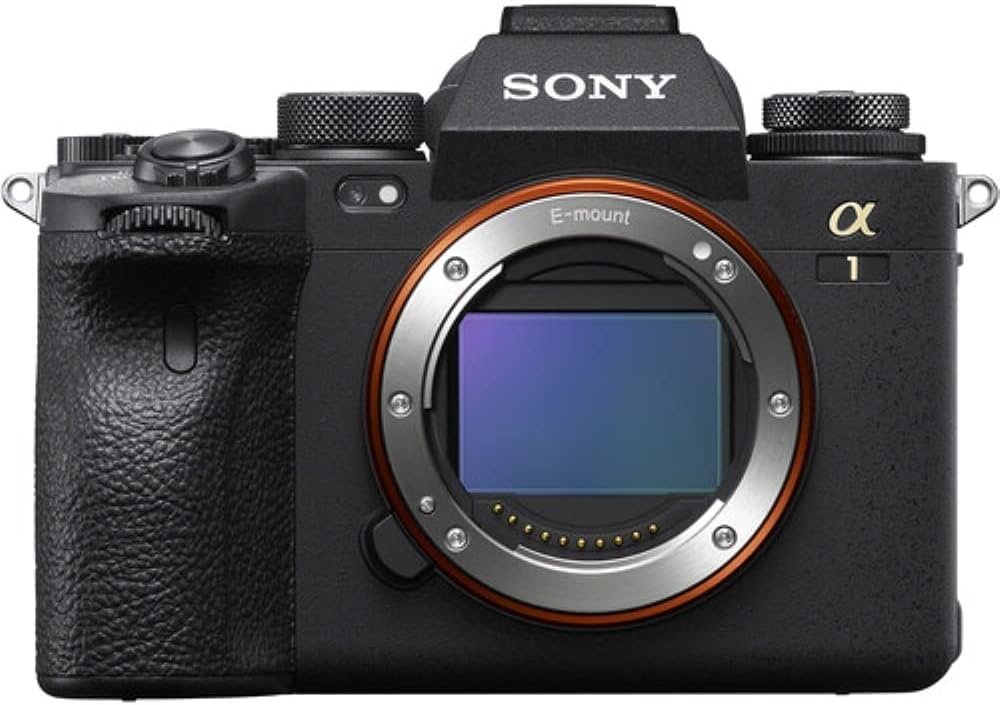
Sony A1
Key Features:
50.1MP Full-Frame Sensor
30 fps Continuous Shooting
15+ Stops of Dynamic Range
Advanced Autofocus
8K Video Recording
Why It’s Great for Landscape Photography:
The A1 is ideal for capturing intricate landscape details, from foliage textures to distant mountain ranges. Its combination of resolution and speed makes it one of the top full-frame cameras for photographers.
6. Canon EOS R6
The Canon EOS R6 offers a more affordable full-frame mirrorless option without compromising performance. It features a 20MP sensor suitable for landscapes, especially in low light.
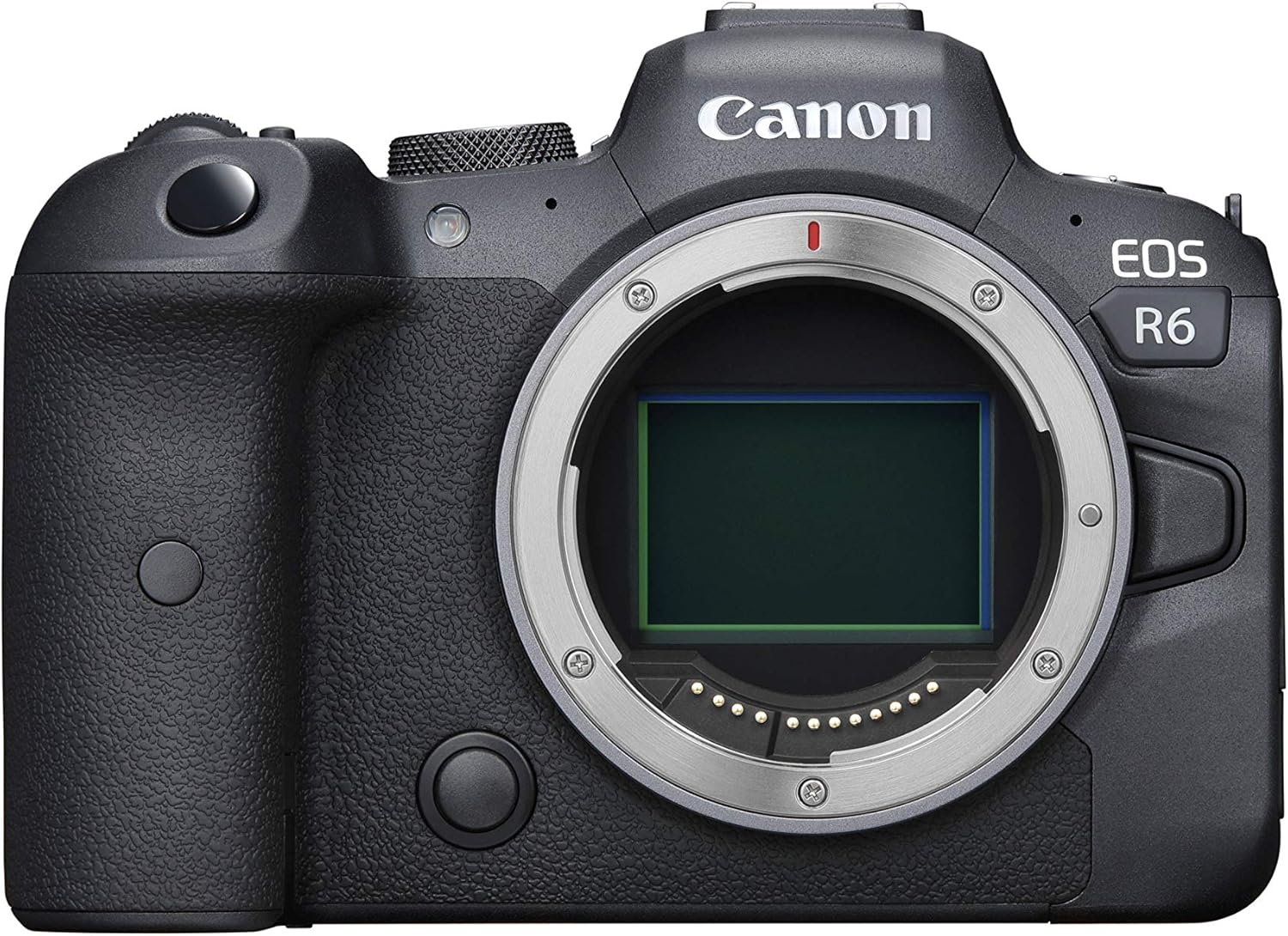
Canon EOS R6
Key Features:
20MP Full-Frame Sensor
Excellent Low-Light Performance
12 Stops Dynamic Range
8 fps Continuous Shooting
In-Body Image Stabilization
Why It’s Great for Landscape Photography:
While lower in resolution than other cameras listed, the EOS R6 excels in dynamic range and color accuracy. It’s perfect for photographers who need a reliable camera for long trips and unpredictable conditions.
Factors to Consider When Choosing Full-Frame Cameras for Photographers
Selecting the right full-frame camera requires understanding what matters most for landscape photography:
1. Resolution
High resolution allows you to crop, print large images, and retain fine detail. Cameras like the Sony A7R V (61MP) excel in this area.
2. Dynamic Range
Dynamic range ensures highlights and shadows are captured with detail. Essential for sunrise, sunset, and high-contrast scenes.
3. Weather Sealing
Landscapes often involve unpredictable conditions. Weather-sealed cameras, like the Nikon Z9 or D850, offer protection against rain, dust, and cold.
4. Lens Compatibility
Having access to wide-angle and telephoto lenses enhances your creative options. Mirrorless cameras like the Canon EOS R5 and Sony A7R V have extensive lens ecosystems.
5. Low-Light Performance
Nightscapes, star photography, or foggy mornings demand excellent low-light capability. Cameras with large full-frame sensors excel in this scenario.
6. Portability
While DSLRs like the D850 are robust, mirrorless cameras offer lighter weight, ideal for long hikes and outdoor landscape shooting.
Tips for Maximizing Full-Frame Cameras for Photography
Use a Tripod: For long exposures and sharp images, especially in low light.
Shoot in RAW: Maximizes dynamic range and allows post-processing flexibility.
Use Filters: ND and polarizing filters help manage reflections and light.
Consider Focus Stacking: For extreme depth of field in wide landscapes.
Understand Composition: Leading lines, foreground interest, and symmetry enhance landscapes.
Comparison of Recommended Full-Frame Cameras for Photographers
| Camera | Resolution | Dynamic Range | Weather Sealed | Pros |
|---|---|---|---|---|
| Sony A7R V | 61MP | 15 stops | Yes | Best for high-resolution landscapes |
| Nikon Z9 | 45.7MP | 14 stops | Yes | Rugged, professional build |
| Canon EOS R5 | 45MP | 12 stops | Yes | Excellent color, lens options |
| Nikon D850 | 45.7MP | Excellent | Yes | DSLR reliability, long battery life |
| Sony A1 | 50.1MP | 15+ stops | Yes | High speed and resolution |
| Canon EOS R6 | 20MP | 12 stops | Yes | Affordable, low-light performance |
FAQs About Full-Frame Cameras For Photographers
Q1: Are full-frame cameras necessary for landscape photography?
While crop sensors can work, full-frame cameras provide better dynamic range, low-light performance, and detail, making them ideal for landscapes.
Q2: Which is better for landscapes: DSLR or mirrorless?
Both are excellent. DSLRs like the Nikon D850 offer traditional handling, while mirrorless cameras like Sony A7R V are lighter with advanced features.
Q3: Can I use full-frame cameras for travel landscapes?
Yes, especially mirrorless options, which are compact and travel-friendly.
Q4: Do higher megapixels mean better landscapes?
Not always. Dynamic range, color reproduction, and lens quality are equally important.
Q5: Is a 20MP camera sufficient for landscape photography?
Yes, cameras like Canon EOS R6 deliver excellent quality, especially with good lenses and post-processing.
Q6: Are full-frame cameras good for night landscapes?
Absolutely, their low-light performance and noise control make them excellent for star photography.
Q7: What lenses work best with full-frame landscape cameras?
Wide-angle lenses (14-35mm), telephoto lenses (70-200mm), and tilt-shift lenses for perspective correction.
Q8: How much should I budget for a full-frame cameras for photographers?
Prices range from $2,500 to over $6,000 depending on brand, resolution, and features.
Q9: Can I upgrade my camera body and keep lenses?
Yes, most full-frame lenses are compatible across camera generations with appropriate mounts.
Q10: Do full-frame cameras require special memory cards?
High-resolution files benefit from fast UHS-II or CFexpress cards for better write speeds.
Investing in the best full-frame cameras for photographers can transform your photography experience. The right camera allows you to capture stunning landscapes with incredible detail, vibrant colors, and dynamic range. Whether you prefer mirrorless models like the Sony A7R V and Canon EOS R5 or DSLRs like the Nikon D850, each option offers unique strengths to suit your shooting style and travel needs.
Understanding key factors such as resolution, dynamic range, low-light performance, and lens compatibility is crucial when choosing a camera for landscape photography. Pair your camera with quality lenses, use proper composition techniques, and leverage post-processing tools to get the most out of your full-frame camera.
Ultimately, the full-frame cameras for photographers listed in this guide represent the best choices available in 2026. They are capable of capturing breathtaking vistas, starry night skies, and serene natural environments with professional-level detail and clarity. Whether you are a seasoned professional or an aspiring landscape photographer, investing in a high-quality full-frame camera is a step toward creating captivating images that truly showcase the beauty of the world.