
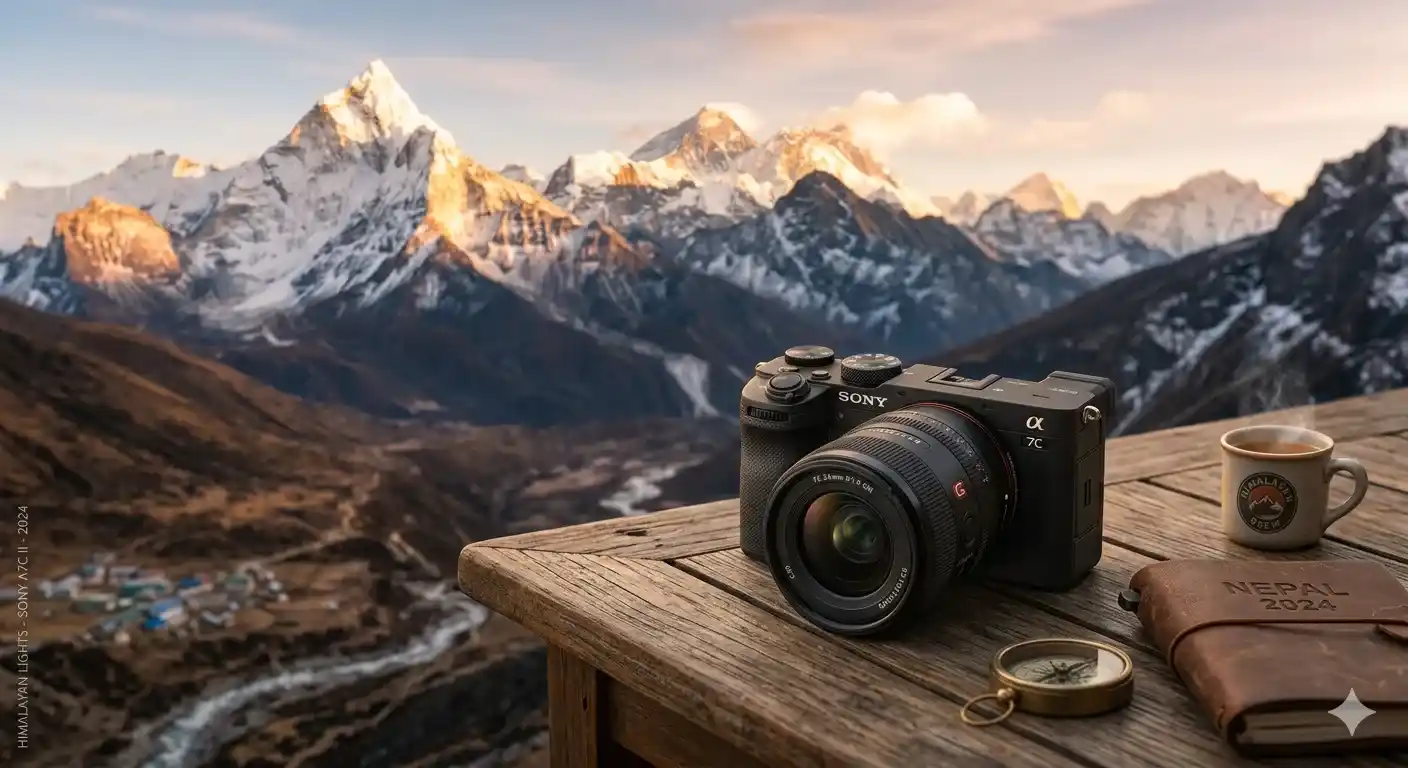
Travel photography in 2026 is no longer about carrying the most powerful camera or the most expensive gear. It is about freedom, movement, and the ability to capture moments without being slowed down by equipment.
Modern travelers move differently than before. A single trip might include walking through busy European cities, hiking mountain trails, sitting in airport lounges, and exploring night markets. In all these situations, the camera must be something you actually want to carry every single day.
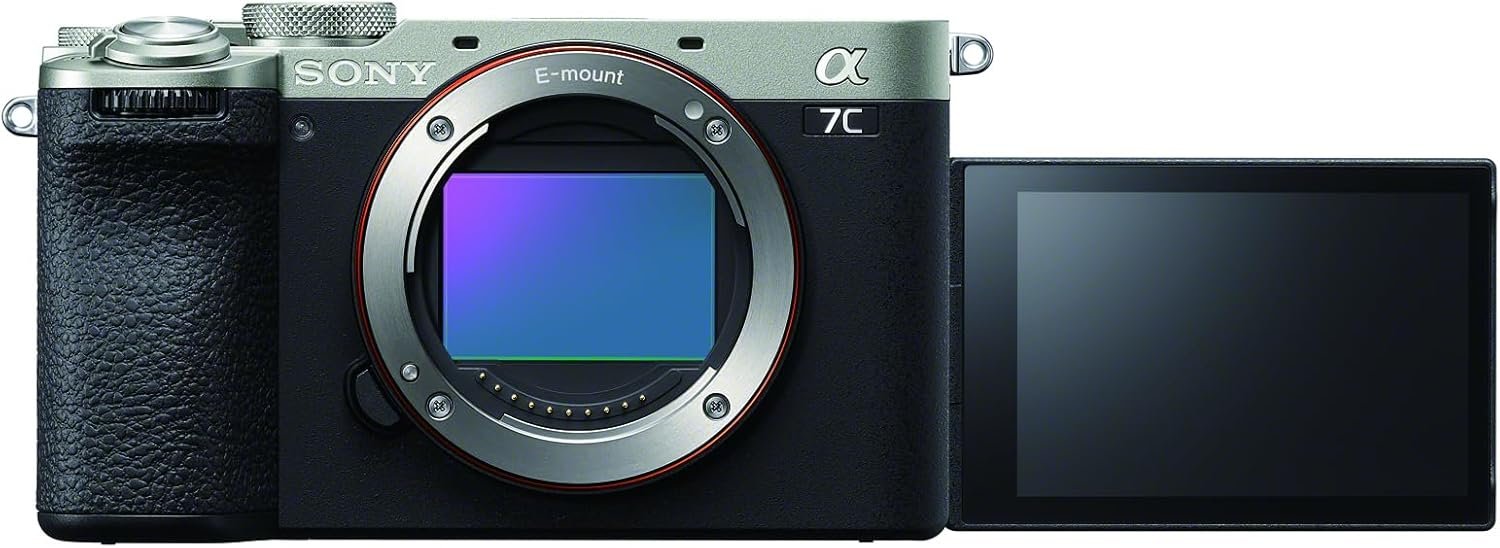
Sony A7C II Might Be the Best Travel Camera in 2026
This is where the Sony A7C II enters the conversation as a serious contender for the title of Best Travel Camera in 2026.
It represents a shift in how cameras are designed for real-world use. Instead of focusing only on technical power, Sony has focused on something more important usability in motion. The A7C II combines a full-frame sensor with a compact body that feels natural during long travel days.
For travelers, this means less fatigue, faster shooting, and more spontaneous photography. You are no longer thinking about the weight of your camera; you are thinking about the moment in front of you.
From sunrise landscapes in the Alps to street photography in Bangkok, the Sony A7C II fits into almost any travel scenario. It is designed not to stay in a camera bag, but to stay in your hands.
Why Travel Photography Needs a New Type of Camera
The demands of travel photography have changed dramatically in recent years. Today’s travelers are not just capturing memories they are also creating content for social media, YouTube, blogs, and digital storytelling platforms.
This shift has created new expectations for cameras. A modern travel camera must do much more than take sharp images. It must be fast, lightweight, and capable of handling both photography and video without switching systems.
Traditional DSLR setups and heavy professional cameras are slowly becoming less practical for this style of travel. Carrying multiple lenses, bulky bodies, and heavy accessories often leads to fatigue, especially during long walking days or multi-country trips.
The Sony A7C II fits into this new travel lifestyle. It is designed for creators who move constantly and need a camera that adapts instantly to changing environments.
Whether you are shooting in bright daylight, low-light streets, or unpredictable weather conditions, the camera must respond quickly without slowing you down. Autofocus speed, portability, and hybrid photo-video performance are now more important than raw specifications.
This is why compact full-frame cameras are becoming the future of travel photography. They offer professional quality without the physical burden of traditional gear.
In this evolving landscape, the Sony A7C II stands out because it understands what modern travelers actually need simplicity, mobility, and consistency in every environment.
Sony A7C II Overview: Compact Full-Frame Power
The Sony A7C II is a full-frame mirrorless camera designed around one core idea: professional quality in a compact form.
At its heart, it features a 33MP full-frame sensor that delivers detailed images with strong dynamic range and excellent low-light performance. This sensor allows photographers to capture both wide landscapes and detailed portraits without losing clarity.
What makes the A7C II unique is its compact, rangefinder-style body. Unlike traditional bulky full-frame cameras, this model is designed to be carried comfortably throughout the day. It easily fits into small travel bags, making it ideal for backpackers and long-term travelers.
The camera also includes Sony’s advanced AI-based autofocus system. This system can detect and track human subjects, animals, and moving objects with impressive accuracy. For travel photographers, this means fewer missed moments and more reliable shooting in unpredictable environments.
Another important feature is its hybrid capability. The Sony A7C II is not just a photo camera — it also performs strongly in video recording, making it suitable for vloggers and content creators.
In simple terms, the A7C II is built for people who want professional-level results without carrying professional-level weight. It sits in a unique category where portability and performance finally meet.
Image Quality That Feels Cinematic
One of the strongest reasons the Sony A7C II is being discussed as a Best Travel Camera in 2026 is its image quality. It produces photos that feel natural, cinematic, and emotionally rich rather than overly processed or artificial.
Imagine walking through the narrow streets of Rome at sunset. The warm light reflects off old stone buildings. Street cafés glow softly in the evening atmosphere. The A7C II captures these scenes with a balanced tone that feels true to the moment.
In landscapes, the camera performs equally well. Snow-covered mountains retain fine detail even in bright sunlight, while blue skies remain smooth and natural. Shadows do not lose depth, which is essential for dramatic travel photography.
Skin tones are another highlight. Whether you are photographing locals in a village market or travelers in a city street, the colors remain accurate and pleasing without heavy editing.
Low-light performance is also impressive. Night markets, temples, and city streets are handled with minimal noise, allowing photographers to shoot confidently after sunset.
What makes the experience special is how “finished” the images look straight out of the camera. Many travel photographers find they spend less time editing and more time enjoying their journey.
This combination of realism, cinematic tone, and dynamic range makes the A7C II a powerful tool for storytelling through travel photography.
Built for Real Travel Life
Travel is unpredictable. One day you are walking through a modern city, and the next day you are hiking through remote mountain paths. A travel camera must adapt to both extremes without becoming a burden.
The Sony A7C II excels in this area because of its compact and lightweight design. It is significantly smaller than traditional full-frame cameras, making it ideal for long travel days where every gram of weight matters.
It fits easily into backpacks, sling bags, or even small shoulder bags. This means you are more likely to carry it consistently and in travel photography, consistency is everything.
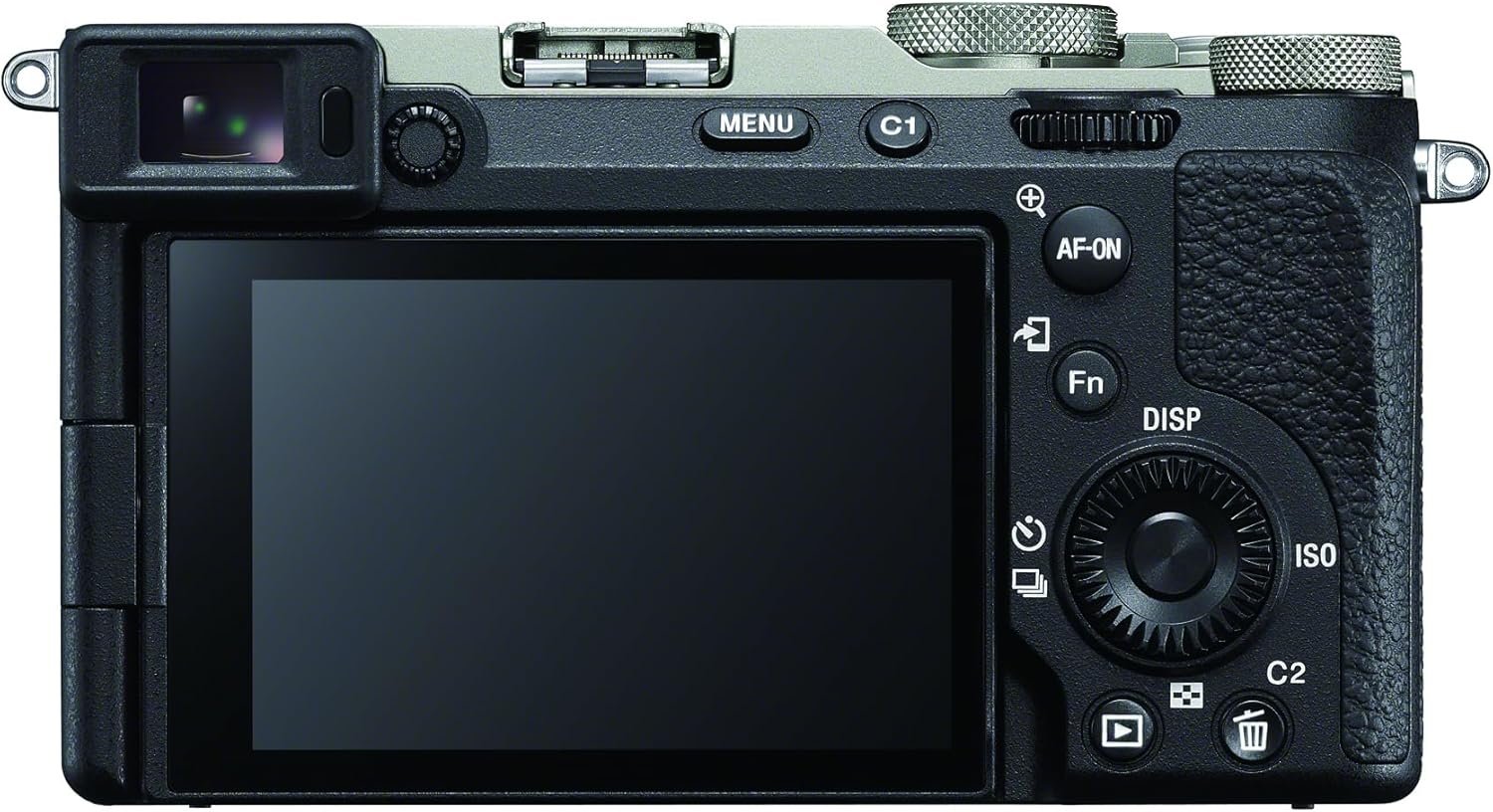
The camera also feels comfortable during extended use. The grip is secure, and the button layout is simple enough to use without constant menu navigation. This allows photographers to focus more on composition and timing rather than settings.
When paired with compact lenses, the system becomes extremely travel-friendly. A small zoom lens setup can cover wide landscapes, street photography, and portraits without needing multiple heavy lenses.
For backpackers, digital nomads, and long-term travelers, this combination is extremely valuable. It removes the friction between wanting to capture a moment and actually being able to do it.
In many ways, the Sony A7C II is designed to disappear into your travel experience allowing you to focus on the journey instead of the gear.
Autofocus and Real-World Performance
Travel photography is fast, unpredictable, and often chaotic. Moments happen quickly and rarely repeat. This is where autofocus performance becomes extremely important.
The Sony A7C II uses an advanced AI-driven autofocus system that can recognize and track subjects with high accuracy. Whether you are photographing people, animals, or moving objects, the camera locks focus quickly and reliably.
In crowded environments like street markets, festivals, or train stations, this becomes especially useful. Subjects move constantly, lighting changes rapidly, and there is little time to adjust manually. The A7C II handles these situations smoothly, allowing photographers to capture candid moments without hesitation.
For street photographers, this is a major advantage. The camera can detect human faces and eyes, ensuring sharp focus even when subjects are in motion.
In travel environments such as safaris, mountain villages, or cultural events, the autofocus system continues to perform consistently, reducing missed shots.
This reliability is what makes the A7C II suitable for real-world travel photography rather than controlled studio environments. It is designed to react quickly, adapt instantly, and keep up with the unpredictable nature of travel.
Video Power for Modern Creators
In 2026, travel photography is closely connected with video creation. Many travelers now document their journeys through short films, YouTube vlogs, and social media reels.
The Sony A7C II is well-suited for this hybrid style of content creation. It supports high-quality 4K video recording with smooth performance and strong stabilization, making handheld shooting easier during travel.
This is particularly useful for vloggers and solo travelers who do not carry heavy video rigs. The compact body allows for discreet shooting in public places while still producing professional-looking results.
Color profiles and dynamic range also help in creating cinematic travel footage. Scenes such as sunsets, city lights, and mountain landscapes look rich and immersive when recorded with this camera.
The ability to switch seamlessly between photo and video modes makes it ideal for creators who need both formats in a single device.
For modern travel storytellers, this flexibility is extremely important. It reduces the need for multiple devices and simplifies the entire creative workflow.
Sony A7C II vs Other Travel Cameras
When discussing whether the Sony A7C II is the Best Travel Camera in 2026, it is important to compare it with other popular travel-focused cameras in the same category. This helps understand where it truly stands in real-world usage rather than just specifications.
The Canon R8 is one of its closest competitors. It offers strong full-frame image quality and excellent color science, especially for portraits. However, its body design feels more traditional and slightly less optimized for long travel days. While powerful, it does not feel as compact or discreet as the A7C II when moving through crowded streets or carrying it for extended hikes.
The Nikon Z5 II is another strong alternative, especially for budget-conscious travelers. It delivers impressive image quality and durability, making it a reliable option for trekking and landscape photography. However, it is slightly larger and heavier, which becomes noticeable during long travel sessions where every bit of weight matters.
The Sony A7 IV, on the other hand, offers more advanced features and professional-level control. But this power comes at the cost of size and portability. For travelers constantly on the move, it can feel slightly more demanding to carry compared to the A7C II.
Where the Sony A7C II stands out is balance. It does not try to be the most powerful camera or the cheapest option. Instead, it focuses on the most important factor for travel photography usability in real-life situations.
It is compact enough to carry everywhere, powerful enough to produce professional results, and flexible enough for both photo and video workflows. This balance is what gives it a unique position in the travel camera market.
Travel Camera Comparison Table (2026)
| Feature | Sony A7C II | Canon R8 | Nikon Z5 II | Sony A7 IV |
|---|---|---|---|---|
| Sensor | Full-frame 33MP | Full-frame 24MP | Full-frame 24MP | Full-frame 33MP |
| Body Size | ⭐ Ultra-compact | Compact | Medium | Large |
| Weight | Very light | Light | Heavier | Heavier |
| Autofocus | ⭐ Advanced AI tracking | Excellent | Good | Excellent |
| Image Quality | ⭐ Cinematic + balanced | Warm tones, strong portraits | Natural, slightly conservative | Very high detail |
| Low-Light Performance | Excellent | Very good | Good | Excellent |
| Video Capability | 4K strong hybrid | Very strong video | Basic to moderate | Professional-grade |
| Portability for Travel | ⭐⭐⭐⭐⭐ | ⭐⭐⭐⭐ | ⭐⭐⭐ | ⭐⭐⭐ |
| Best For | Travel + creators | Hybrid shooters | Budget travelers | Professionals |
| Ease of Use While Traveling | ⭐⭐⭐⭐⭐ | ⭐⭐⭐⭐ | ⭐⭐⭐ | ⭐⭐⭐ |
Who Should Buy the Sony A7C II?
The Sony A7C II is not designed for every type of photographer, and that is actually part of its strength. It is built for a very specific kind of user someone who values mobility, simplicity, and high-quality output in a single compact system.
First, it is ideal for travel photographers who spend long periods exploring different countries or regions. Whether walking through European cities, exploring Southeast Asian markets, or hiking mountain trails, the lightweight body makes it easy to carry all day without fatigue.
Second, it is perfect for digital nomads and content creators. These users often switch between photography and video creation, sometimes within the same day. The A7C II’s hybrid performance allows them to create Instagram content, YouTube videos, and professional photos using a single device.
Third, it suits street photographers who need a discreet and fast camera. In crowded environments, a smaller body helps blend into surroundings, making candid photography easier and more natural.
Fourth, it works well for beginner-to-intermediate full-frame users who want professional image quality without dealing with heavy or complex camera systems.
However, it may not be ideal for photographers who need extreme professional features like dual card slots for heavy commercial work or those who prefer larger, more ergonomic camera bodies for studio use.
In simple terms, the Sony A7C II is designed for people who are constantly moving. It is not about power for the sake of power it is about making photography easier, lighter, and more enjoyable in real-world travel situations.
The Sony A7C II does not try to win by being the most advanced camera on the market. Instead, it focuses on something far more important for modern travel photography — consistency in real-world use.
In 2026, travel photography is less about technical perfection and more about capturing moments as they naturally unfold. Travelers want a camera that is always ready, easy to carry, and capable of handling a wide variety of situations without complexity.
The A7C II fits perfectly into this mindset. It delivers full-frame image quality in a body that feels light and portable. It performs reliably in both bright daylight and low-light environments. Its autofocus system ensures that important moments are not missed, even in fast-moving or crowded scenes. And its video capabilities make it equally useful for modern content creators.
While there are more powerful cameras available, and cheaper alternatives on the market, very few manage to combine portability, performance, and usability as effectively as this model.
That is why the Sony A7C II is often described as one of the strongest contenders for the title of Best Travel Camera in 2026.
Ultimately, the best camera is not the one with the most features. It is the one you actually carry, use, and trust during your journey. And in that sense, the Sony A7C II stands out as a camera that is designed not just for photography — but for travel itself.
