
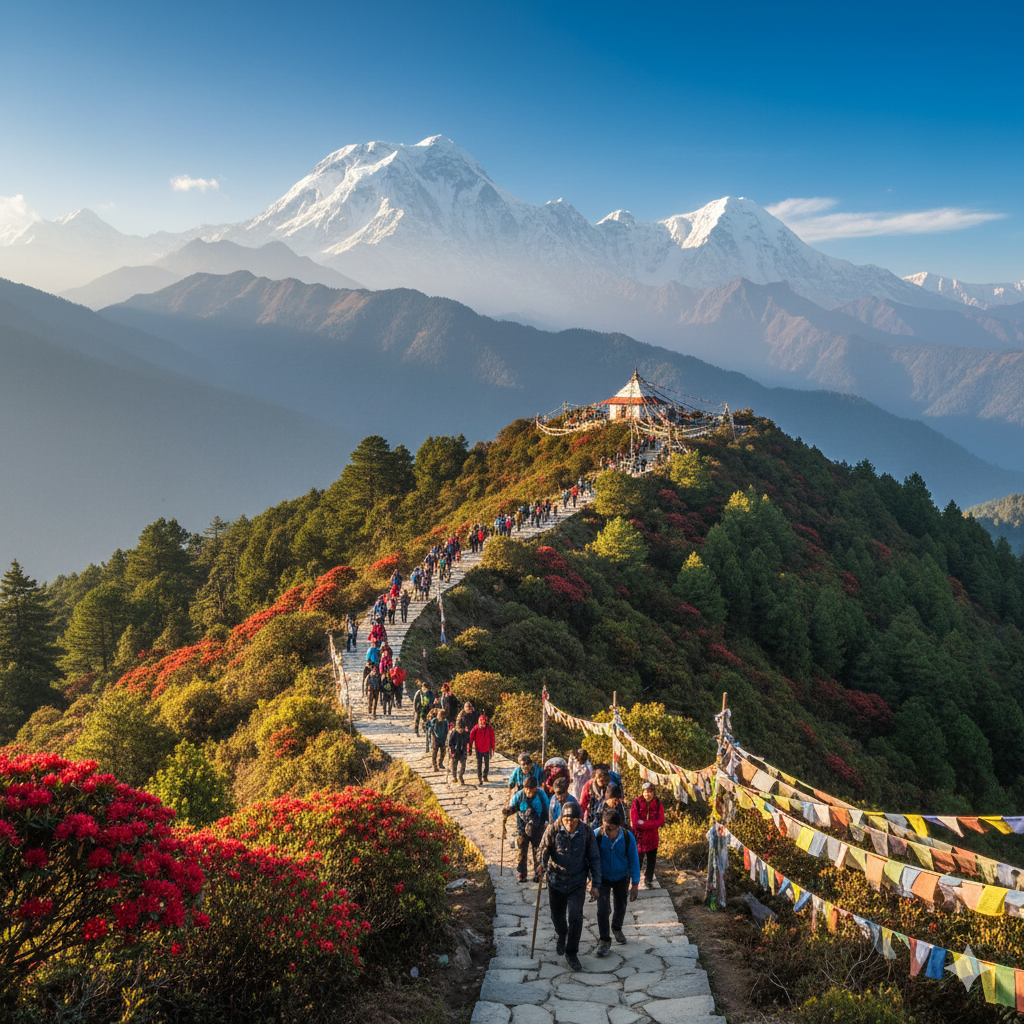
Nepal is a paradise for trekkers, with countless trails weaving through stunning mountains, lush forests, and vibrant villages. Among these, few destinations offer the unique combination of spiritual significance, pristine Himalayan landscapes, and rich cultural experiences like Pathivara. Nestled in the remote Taplejung district of eastern Nepal, Pathivara is home to the revered Pathivara Devi Temple, a sacred site that draws thousands of pilgrims and trekkers each year. The trek to Pathivara is not only a physical journey but also a spiritual and cultural exploration, making it one of the most meaningful treks in Nepal.
Choosing the right trekking season is crucial for making the most of this journey. Weather conditions, trail safety, mountain visibility, and local festivals vary throughout the year, affecting both trekking and pilgrimage experiences. By planning your visit during the optimal trekking season, you can enjoy safe and comfortable trails, breathtaking views of the eastern Himalayas—including Mount Kanchenjunga—and the vibrant cultural traditions of the Limbu community.
Whether you are a pilgrim seeking blessings at the temple or an adventure enthusiast looking for untouched trekking routes, understanding the trekking season is key to designing the perfect itinerary. This detailed guide covers every aspect of your trip: seasonal weather patterns, trekking conditions, cultural highlights, accommodation options, packing advice, and practical tips. With the right planning, your journey to Pathivara will be safe, rewarding, and unforgettable, allowing you to fully experience the sacred beauty and Himalayan charm that make this trek so special.
Why Pathivara Is a Special Trekking Destination
Before delving into the details of the Pathivara trekking season, it’s essential to understand why Pathivara is considered one of Nepal’s most unique trekking destinations. This sacred site draws thousands of visitors every year, including both pilgrims and adventure enthusiasts, due to its combination of spiritual importance, natural beauty, and cultural richness.
At the heart of the trek is the Devi Temple, situated at an altitude of approximately 3,794 meters. The temple is dedicated to Goddess Pathivara, who is believed to fulfill the wishes of devotees. Pilgrims from Nepal, India, and other countries undertake this journey not only to seek blessings but also to experience the serene Himalayan environment that surrounds the temple. Visiting during the optimal trekking season ensures that the trails are safe, the weather is favorable, and the mountain views are clear, making the pilgrimage both spiritually and physically rewarding.
The trek itself is equally remarkable. As you ascend toward Pathivara, trekkers are treated to breathtaking views of the eastern Himalayas, including the majestic Kanchenjunga, Nepal’s third-highest peak, as well as other towering mountains like Pandim and Simvo. The trails pass through dense forests, terraced fields, and traditional Limbu villages, offering travelers a chance to witness authentic mountain culture and lifestyle.
Because of its elevation, unpredictable weather, and rugged terrain, choosing the right trekking season is crucial. The timing of your visit affects not only safety and comfort but also your ability to fully appreciate the panoramic Himalayan vistas, seasonal flora, and vibrant local culture. Whether you are embarking on this journey for spiritual reasons or adventure, understanding the best Pathivara trekking season ensures a meaningful, enjoyable, and memorable trek.
Overview of Pathivara Trekking Season
The Pathivara trekking season is influenced by Nepal’s four main seasons:
- Spring (March to May)
- Summer/Monsoon (June to August)
- Autumn (September to November)
- Winter (December to February)
Each Pathivara trekking season offers a different experience, from blooming forests to snow-covered trails. However, not all seasons are equally suitable for trekking.
Autumn: Best Pathivara Trekking Season Overall (September to November)
Autumn is widely regarded as the best Pathivara trekking season for both pilgrims seeking blessings at Pathivara Devi Temple and trekkers exploring the Himalayan trails. This period, spanning from September to November, offers ideal conditions for a safe, comfortable, and visually spectacular journey.
Weather Conditions
During autumn, the weather is generally stable and mild, with daytime temperatures ranging from 10°C to 20°C along most trekking routes. Rainfall is minimal following the monsoon season, which means trails are dry, firm, and safe for trekkers of all skill levels. This consistency in weather makes autumn the most reliable Pathivara trekking season, allowing travelers to plan without worrying about sudden storms or slippery paths.
Mountain Views
One of the biggest advantages of trekking in autumn is the exceptional visibility. Clear skies during this Pathivara trekking season reveal the majestic peaks of the eastern Himalayas, including Kanchenjunga, Simvo, Pandim, and other surrounding mountains. Photographers and nature enthusiasts particularly favor this season because the mountains are often free from haze, creating breathtaking panoramas that are perfect for capturing memories.
Trail Conditions
Autumn trails are firm and generally less slippery, which makes trekking safer for beginners, elderly pilgrims, and families. Compared to the monsoon season, the risk of landslides or mud-covered paths is minimal. This firm footing is a key reason why autumn is considered the most reliable Pathivara trekking season for a wide range of travelers.
Festivals and Cultural Experiences
Autumn coincides with some of Nepal’s most significant festivals, including Dashain and Tihar. Visiting Pathivara during this period allows travelers to witness vibrant cultural celebrations, traditional rituals, and local hospitality, adding a rich cultural layer to the trekking experience. For pilgrims, this timing is particularly special, as festival atmospheres enhance the spiritual energy of the temple.
Why Autumn Is Recommended
The combination of pleasant weather, clear mountain views, safe trails, and cultural festivities makes autumn the most recommended Pathivara trekking season. Whether your goal is trekking adventure, spiritual pilgrimage, or photography, autumn offers the best overall experience.
By planning your trip during the autumn Pathivara trekking season, you can maximize safety, comfort, and the chance to witness both the natural beauty and cultural vibrancy of this sacred Himalayan region.
Spring: Colorful and Pleasant Pathivara Trekking Season (March to May)
Spring is widely recognized as one of the most enjoyable Pathivara trekking seasons, particularly appealing to nature lovers, photographers, and cultural enthusiasts. This season, spanning from March to May, transforms the trekking route into a vibrant landscape filled with blooming flora and lively local activity.
Weather Conditions
During the spring Pathivara trekking season, temperatures are mild, typically ranging from 8°C to 18°C along the trekking trails. The weather is generally stable, with occasional light rainfall that rarely disrupts trekking plans. These conditions make spring an ideal Pathivara trekking season for comfortable walking, safe trails, and enjoyable outdoor experiences.
Natural Beauty and Flora
One of the highlights of the spring Pathivara trekking season is the blooming of rhododendron forests along the hillsides. These colorful flowers—ranging from vibrant reds and pinks to soft whites—create a breathtaking visual spectacle. Photographers and trekkers alike find this season perfect for capturing the stunning natural beauty of Pathivara and its surrounding Himalayan landscapes. The combination of blooming forests and snow-capped peaks makes spring a favorite among those seeking both adventure and aesthetic experiences.
Trekking Experience
Spring provides comfortable walking conditions due to stable trails and longer daylight hours. This allows trekkers to explore at a relaxed pace, enjoy scenic stops, and fully appreciate the spiritual and cultural significance of Pathivara. The mild temperatures reduce fatigue, making spring an accessible Pathivara trekking season for families, first-time trekkers, and older pilgrims.
Cultural Encounters
Spring also offers opportunities to engage with local Limbu communities, experience traditional food, and witness small-scale local celebrations. Planning your trek during the spring Pathivara trekking season allows travelers to enjoy both the natural beauty and cultural richness of the region in a single journey.
Why Spring Is Highly Recommended
Many travelers consider spring the second-best Pathivara trekking season, following autumn. The combination of pleasant weather, colorful landscapes, longer trekking hours, and cultural encounters makes this season an excellent choice for anyone seeking a balanced and enriching experience.
By visiting during the spring Pathivara trekking season, you can enjoy an unforgettable trek that merges adventure, spirituality, and nature, providing memories that last a lifetime.
Winter: Challenging but Spiritual Pathivara Trekking Season (December to February)
Winter offers a unique and spiritually enriching Pathivara trekking season, but it comes with challenges that make it suitable mainly for experienced trekkers and devoted pilgrims. Despite the cold, this season provides a serene and peaceful environment, allowing travelers to experience Pathivara in a way that few others do.
Weather Conditions
During the winter Pathivara trekking season, temperatures can drop below -5°C at higher altitudes, especially near the temple. Snowfall is common along the trails and around the Pathivara Devi Temple, creating a magical, snow-covered Himalayan landscape. While the weather is harsh, it also enhances the beauty and spiritual ambiance of the trek, offering a unique experience that differs greatly from the busier autumn and spring seasons.
Trail Conditions
Winter trails are often snow-covered and icy, making this the most challenging Pathivara trekking season. Trekkers must exercise caution, wear proper footwear, and use trekking poles for stability. The risk of slips and falls is higher, which is why winter treks are generally recommended only for experienced hikers or dedicated pilgrims prepared for the cold and rugged terrain.
Crowds and Solitude
One of the major advantages of the winter Pathivara trekking season is solitude. Very few tourists and pilgrims visit during this time, allowing trekkers to enjoy peaceful, quiet trails and uninterrupted views of the snow-capped Himalayas. This calm atmosphere enhances the spiritual experience for pilgrims seeking blessings at the Pathivara Devi Temple.
Spiritual Significance
Many devotees believe that visiting Pathivara during the winter Pathivara trekking season carries special spiritual rewards. The quiet environment and serene landscapes create a sense of deep connection with the mountains and the sacred temple, making the trek not only a physical journey but also a meaningful spiritual experience.
Why Winter Is Unique
While winter is not ideal for casual trekkers due to cold temperatures and challenging trails, it is a rewarding Pathivara trekking season for those who are well-prepared. Experienced trekkers and spiritual pilgrims often find the winter trek more intimate and reflective, with fewer crowds and a pristine, snow-covered landscape that adds a magical quality to the journey.
By choosing winter as your Pathivara trekking season, you can enjoy a quiet, spiritually focused trek that is vastly different from the busier autumn and spring seasons, offering a unique and memorable Himalayan experience.
Monsoon: Least Recommended Pathivara Trekking Season (June to August)
The monsoon season, spanning June to August, is generally regarded as the least favorable Pathivara trekking season. While the region transforms into a lush, green paradise during this time, the weather and trail conditions make trekking more challenging and potentially hazardous.
Weather Conditions
During the monsoon Pathivara trekking season, heavy rainfall, high humidity, and persistent fog dominate the region. The trails are often soaked, making walking difficult and tiring. Constant rainfall also increases the risk of landslides and soil erosion, which can make the trek dangerous for inexperienced trekkers. For this reason, monsoon is typically not recommended as the primary Pathivara trekking season, especially for first-time visitors or those seeking safe and comfortable trekking experiences.
Trail Safety
One of the most significant concerns during the monsoon Pathivara trekking season is trail safety. Slippery paths, mud, and leeches are common hazards, particularly in forested areas and steep sections of the trail. Trekkers must exercise extra caution, use proper footwear, and consider trekking poles for stability. The high likelihood of landslides in certain areas makes this Pathivara trekking season risky compared to autumn or spring.
Visibility and Scenic Views
Heavy clouds and persistent rainfall during the monsoon often obscure mountain vistas. While Pathivara is famous for its breathtaking views of Kanchenjunga and surrounding peaks, trekkers during the monsoon Pathivara trekking season may find that these scenic sights are largely hidden behind clouds. This reduces the overall visual appeal of the trek, making monsoon less suitable for photography and sightseeing.
Advantages of Monsoon
Despite the challenges, the monsoon Pathivara trekking season has some unique advantages for certain travelers:
Lush Greenery: The trails and surrounding forests are at their greenest and most vibrant during this season.
Solitude: Fewer trekkers visit during monsoon, providing a quiet, peaceful experience for those who prefer isolation.
Cost Benefits: Lodging and local services are often less crowded and more affordable.
Why Monsoon Is Not Widely Recommended
Overall, the monsoon Pathivara trekking season is the most difficult and unpredictable time to trek. While it offers a lush and quiet environment, the combination of slippery trails, limited visibility, and higher risk of landslides makes it unsuitable for casual trekkers or first-time visitors. For safety, comfort, and optimal Himalayan views, travelers are encouraged to plan their trek during autumn or spring instead.
By understanding the challenges and potential rewards of the monsoon Pathivara trekking season, trekkers can make an informed decision and prepare accordingly if they choose to embark on a journey during this time.
Best Time for Pilgrimage vs Adventure Trekking
Choosing the ideal Pathivara trekking season depends largely on your purpose for visiting. Pathivara offers diverse experiences, from spiritual pilgrimage to adventure trekking, and the timing of your trip can significantly impact your journey.
Pilgrimage: Autumn and Spring
For pilgrims visiting the sacred Pathivara Devi Temple, the best Pathivara trekking season is during autumn or spring. During these seasons, the weather is mild, the trails are safe, and visibility is excellent, making it easier to reach the temple and perform religious rituals. Autumn coincides with major festivals like Dashain and Tihar, providing an enriching cultural experience for those undertaking a spiritual journey. Spring, on the other hand, offers blooming rhododendron forests and longer daylight hours, enhancing the overall pilgrimage experience.
Photography: Spring and Autumn Mornings
For photography enthusiasts, selecting the right Pathivara trekking season is crucial. Spring and autumn mornings offer clear skies and excellent visibility of the eastern Himalayas, including Kanchenjunga. The vibrant colors of rhododendron forests in spring or the crisp mountain views in autumn provide perfect conditions for capturing stunning photographs. Planning your trek around these Pathivara trekking seasons ensures you get the best light and scenery for your photography.
Adventure Trekking: Late Autumn or Early Spring
Those seeking adventure trekking can find the optimal conditions during late autumn or early spring. Trails are firm and dry, and weather conditions are generally stable. The Pathivara trekking season during these periods provides the right balance of challenge, safety, and scenic beauty. Trekkers can enjoy long hours on the trail, spectacular vistas, and the satisfaction of completing a physically demanding journey in one of Nepal’s most sacred regions.
Solitude Seekers: Winter (With Proper Preparation)
Winter is the quietest Pathivara trekking season, making it ideal for travelers seeking solitude and a peaceful environment. Fewer trekkers visit during this time, allowing for a meditative and reflective journey. However, winter requires careful preparation due to cold temperatures, snow-covered trails, and limited lodging options. Experienced trekkers and devoted pilgrims often choose this Pathivara trekking season for a tranquil and spiritually rewarding experience.
Choosing the Right Pathivara Trekking Season
Ultimately, selecting the right Pathivara trekking season ensures that your trip aligns with your personal goals, whether they are spiritual, adventurous, photographic, or solitary. Proper timing maximizes your safety, comfort, and enjoyment while allowing you to fully appreciate the natural beauty, cultural richness, and spiritual significance of Pathivara.
By understanding the differences between seasons and planning according to your purpose, you can make the most of your trek and create a truly unforgettable experience in one of Nepal’s most sacred and scenic trekking destinations.
Cultural Importance During Pathivara Trekking Season
The Pathivara trekking season is not only about breathtaking mountain views and challenging trails—it is also a time of deep cultural and spiritual significance. During the peak Pathivara trekking season, especially in autumn, thousands of pilgrims from Nepal, India, and beyond journey to the sacred Pathivara Devi Temple to offer prayers, perform rituals, and seek blessings. This convergence of spiritual travelers creates a vibrant atmosphere that is unique to the Pathivara trekking season.
Local Limbu Hospitality
The local Limbu communities play an essential role in enhancing the cultural experience of trekkers. Visitors are warmly welcomed into villages, where they can enjoy traditional meals, homestays, and cultural performances. During the peak Pathivara trekking season, these communities often organize festivals, dances, and ceremonies that allow travelers to immerse themselves in authentic Himalayan traditions. Experiencing local customs during this season gives trekkers a deeper appreciation for the living heritage and spiritual culture surrounding Pathivara.
Festivals and Religious Events
Many important festivals coincide with the peak Pathivara trekking season. For example, major celebrations like Dashain and Tihar in autumn add color, music, and ritual to the pilgrimage, making the trek culturally enriching as well as physically rewarding. Participating in or observing these festivals allows travelers to connect with the spiritual and cultural heartbeat of the region, something that is uniquely experienced during the Pathivara trekking season.
Why Cultural Immersion Matters
Planning your journey around the peak Pathivara trekking season ensures that you don’t just see the landscape, but also engage with the rituals, traditions, and hospitality that make Pathivara a spiritually vibrant destination. The interplay between nature, culture, and religion during this season creates a multi-dimensional experience that few other treks in Nepal can offer.
Whether you are a pilgrim, photographer, or adventure trekker, visiting during the peak Pathivara trekking season allows you to witness and participate in the rich tapestry of Himalayan culture, making your journey not only an adventure but also a profound cultural and spiritual experience.
Accommodation During Pathivara Trekking Season
Accommodation availability varies by Pathivara trekking season:
- Autumn & Spring: Lodges and teahouses fill quickly
- Winter: Limited facilities, some lodges closed
- Monsoon: Fewer trekkers, but weather disruptions possible
Booking early during peak Pathivara trekking season is highly recommended.
Packing Tips for the Best Pathivara Trekking Season
Regardless of the Pathivara trekking season, proper packing is essential:
- Layered clothing for temperature changes
- Waterproof jacket (especially outside autumn)
- Good trekking shoes
- Gloves and thermal wear for colder Pathivara trekking seasons
- Rain gear for monsoon treks
Packing according to the Pathivara trekking season ensures comfort and safety.
Health and Safety During Pathivara Trekking Season
Altitude sickness can occur during any Pathivara trekking season, especially for those ascending quickly. Staying hydrated, walking slowly, and acclimatizing properly are key.
During winter and monsoon Pathivara trekking seasons, extra caution is required due to cold and slippery trails.
For more travel destinations, cultural guides, and detailed trekking information, visit 👉 Explore All About Nepal.
If you need assistance with planning your trip, including guides and hotel bookings, our team can help you arrange everything. You can contact us directly on WhatsApp for personalized support and bookings.
