
Nepal is preparing to open its doors to a growing global workforce: digital nomads for remote works. As remote employment becomes increasingly common worldwide, the Nepalese government is revising labor and immigration policies to attract foreign professionals who can live in Nepal while working online for companies abroad.
Under the government’s new good governance roadmap, several ministries are working together to create policies that make Nepal a welcoming destination for digital nomads for remote works. The plan includes introducing special visas, simplifying access to banking services, and allowing participation in Nepal’s social security system.
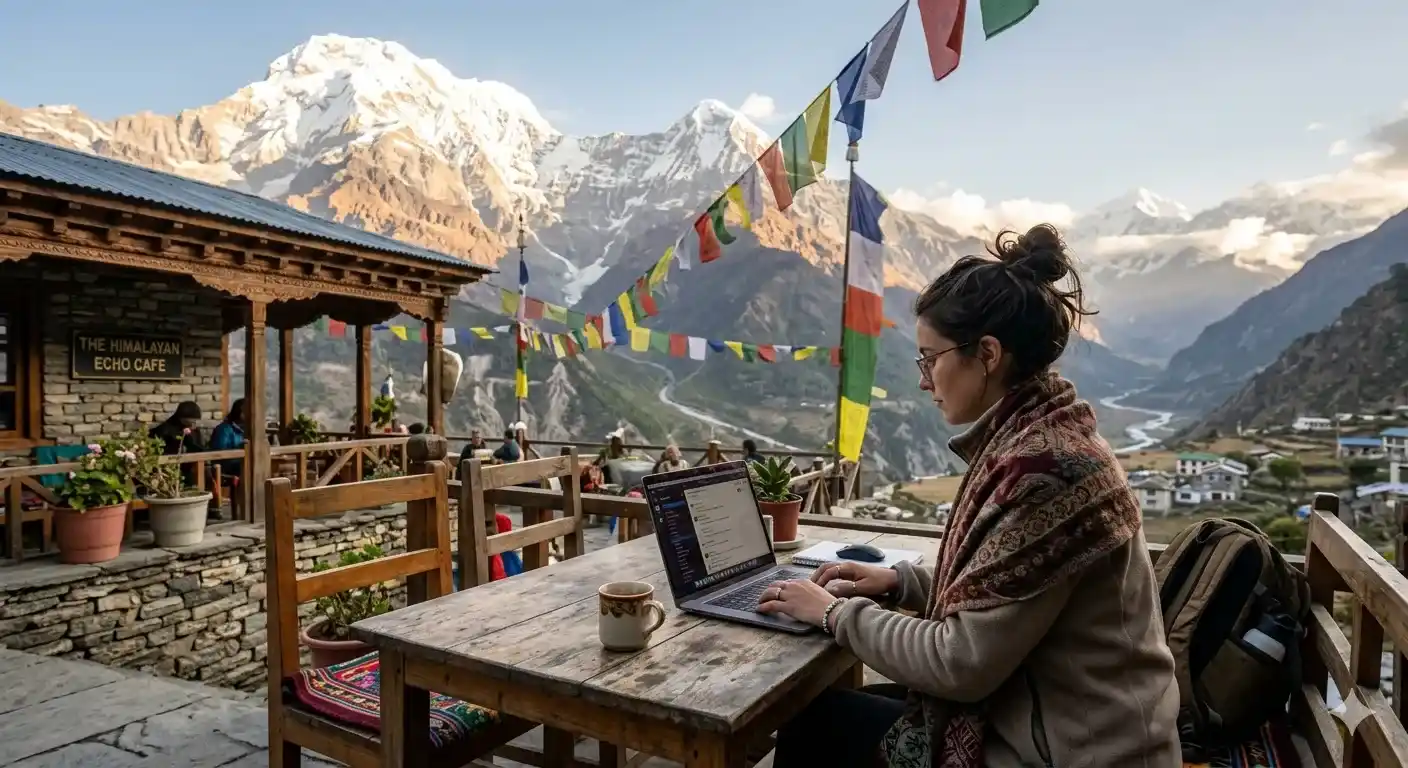
digital nomads for remote works
If implemented successfully, this initiative could transform Nepal into one of Asia’s most attractive hubs for digital nomads for remote works, combining scenic landscapes, affordable living, and cultural richness.
Why Nepal Wants to Attract Digital Nomads for Remote Works
Over the past decade, remote work has grown rapidly across the globe. Millions of professionals now work online from laptops instead of traditional offices. Countries such as Portugal, Estonia, and Thailand have already introduced digital nomad visas to attract these workers.
Nepal now wants to join this trend by welcoming digital nomads for remote works who can contribute to the economy without competing for local jobs.
The Nepalese government sees several advantages in encouraging digital nomads for remote works:
- Increased tourism spending
- Long-term foreign residents contributing to local businesses
- International exposure for Nepal
- New investment opportunities
- Growth of co-working spaces and startup ecosystems
Unlike traditional tourists who stay for a few days or weeks, digital nomads for remote works often remain for months or even years. This longer stay brings steady income to hotels, cafes, restaurants, transport services, and local communities.
Nepal’s New Digital Nomad Policy
The government’s proposed framework aims to create a friendly environment for digital nomads for remote works through several key changes.
1. Special Digital Nomad Visas
One of the most important aspects of the new policy is the creation of a digital nomad visa.
This visa will allow digital nomads for remote works to stay in Nepal legally for extended periods while working online for employers or clients located outside the country.
Key features expected in the visa program include:
- Long-term residence permits
- Simplified application process
- Permission to work remotely for foreign companies
- Options for visa extensions
This policy will remove many legal uncertainties currently faced by digital nomads for remote works visiting Nepal.
2. Easy Access to Banking Services
Another major challenge for foreign remote workers is accessing financial services in the countries where they live.
The Nepalese government plans to work with Nepal Rastra Bank to allow digital nomads for remote works to open local bank accounts.
This would allow remote workers to:
- Manage living expenses easily
- Pay rent and local services
- Transfer international income legally
- Participate in the local financial system
Providing banking access will make Nepal much more convenient for digital nomads for remote works planning long-term stays.
3. Legal Recognition of Remote Work
Currently, Nepal’s Labor Act 2074 does not clearly define remote work.
The law limits employment classification to five specific categories and does not fully address modern online employment models. As a result, digital nomads for remote works operate in a legal gray area when staying in Nepal.
To solve this issue, the Ministry of Labor and Employment has started discussions to officially recognize remote work.
This change will ensure that digital nomads can legally live and work in Nepal without violating labor regulations.
4. Social Security System Inclusion
Another unique part of the proposed policy is the possibility of allowing digital nomads for remote works to participate in Nepal’s social security system.
While details are still being discussed, the idea is to provide optional benefits such as:
- Health insurance
- Retirement contributions
- Social protection programs
This would make Nepal one of the few countries offering social security access to digital nomads.
Why Nepal is Perfect for Digital Nomads
Nepal already has many qualities that make it ideal for digital nomads for remote works.
Affordable Cost of Living
Compared to Western countries, Nepal offers a very low cost of living. Remote workers earning in dollars, euros, or pounds can enjoy a comfortable lifestyle at a fraction of the price.
Monthly expenses for digital nomads for remote works in cities like Kathmandu or Pokhara are significantly lower than in many popular nomad destinations.
Stunning Natural Landscapes
Few countries offer the same diversity of landscapes as Nepal.
Digital nomads for remote works can work with views of:
- The Himalayas
- Green hills and valleys
- Peaceful lakes
- Cultural heritage sites
Locations such as Pokhara, Kathmandu Valley, and mountain towns are particularly attractive for remote workers seeking inspiration and adventure.
Growing Co-Working Culture
Nepal’s startup and freelancer communities have grown rapidly in recent years.
Co-working spaces, cafes with fast internet, and networking events are becoming more common in cities like Kathmandu and Pokhara.
This environment helps digital nomads for remote works connect with local entrepreneurs, freelancers, and international professionals.
Unique Culture and Lifestyle
Living in Nepal offers a cultural experience unlike anywhere else.
Digital nomads can enjoy:
- Ancient temples and heritage sites
- Vibrant festivals and traditions
- Delicious local cuisine
- Friendly and welcoming communities
This combination of culture and natural beauty makes Nepal a unique destination for digital nomads for remote works.
Economic Benefits for Nepal
Attracting digital nomads for remote works could bring significant economic benefits to Nepal.
Increased Tourism Revenue
Unlike short-term tourists, digital nomads for remote works stay longer and spend consistently on housing, food, and services.
This can boost revenue in tourism-related industries.
Growth of Local Businesses
Restaurants, cafes, transport companies, and local markets will benefit from the presence of digital nomads for remote works.
The demand for co-working spaces, rental apartments, and digital services may also increase.
Global Exposure
Welcoming digital nomads for remote works can increase Nepal’s global visibility as a modern and innovative destination. This exposure could attract more investors, entrepreneurs, and international partnerships.
Challenges Nepal Must Address
While Nepal has strong potential to attract digital nomads, several challenges must be addressed.
Internet Infrastructure
Reliable high-speed internet is essential for remote workers.
Although internet services have improved in recent years, further improvements will help Nepal compete with other digital nomad destinations.
Bureaucratic Processes
Complex paperwork and slow government processes could discourage digital nomads. Simplifying visa applications and residency procedures will be crucial for the success of the program.
Infrastructure and Transportation
Better roads, transportation systems, and urban infrastructure will enhance the experience of digital nomads for remote works living in Nepal.
Potential Digital Nomad Destinations in Nepal
If the policy is implemented successfully, several places in Nepal could become popular hubs for digital nomads for remote works.
Pokhara
Pokhara is already a favorite destination for travelers due to its beautiful lakes and mountain views.
Its relaxed atmosphere makes it perfect for digital nomads for remote works seeking a balance between productivity and adventure.
Kathmandu
Kathmandu offers the best infrastructure in Nepal, including co-working spaces, cafes, and networking opportunities.
Many digital nomads for remote works may choose Kathmandu as their primary base.
Bandipur
This charming hill town offers peaceful surroundings and traditional architecture, ideal for digital nomads for remote works who prefer quiet environments.
Nagarkot
Famous for its sunrise views of the Himalayas, Nagarkot could attract digital nomads for remote works looking for scenic mountain living close to Kathmandu.
Timeline for Implementation
The government has tasked several institutions with preparing the new policies.
The Home Ministry and Nepal Rastra Bank have been given six months to draft the necessary regulations.
Once completed, the framework will define how digital nomads for remote works can legally enter, stay, and operate in Nepal.
Nepal’s Opportunity in the Global Remote Work Economy
The global digital nomad population is growing rapidly. Millions of professionals now have the flexibility to choose where they live while continuing their careers online.
If Nepal successfully implements policies to attract digital nomads, the country could become one of Asia’s most appealing remote work destinations.
With its natural beauty, cultural richness, affordable lifestyle, and welcoming communities, Nepal has everything needed to attract remote workers from around the world.
Nepal’s plan to attract digital nomads for remote works represents a forward-thinking strategy that aligns with global employment trends.
By introducing digital nomad visas, improving banking access, recognizing remote work legally, and offering social security participation, Nepal could position itself as a competitive destination for international remote professionals.
If these reforms are implemented effectively, digital nomads for remote works may soon see Nepal not only as a travel destination but also as a place to live, work, and experience the Himalayas while building their careers online.
For Nepal, welcoming digital nomads could open new economic opportunities and bring global talent into the country.
