
The Everest Base Camp (EBC) trek is one of the most iconic adventures for trekkers worldwide. Every year, thousands of people from around the globe dream of seeing the breathtaking Himalayan peaks, walking through Sherpa villages, and experiencing the unique culture and landscapes of the Solu-Khumbu region. However, trekking at such high altitudes comes with inherent challenges, and one common concern is: “What happens if you get stuck on the EBC trek?”
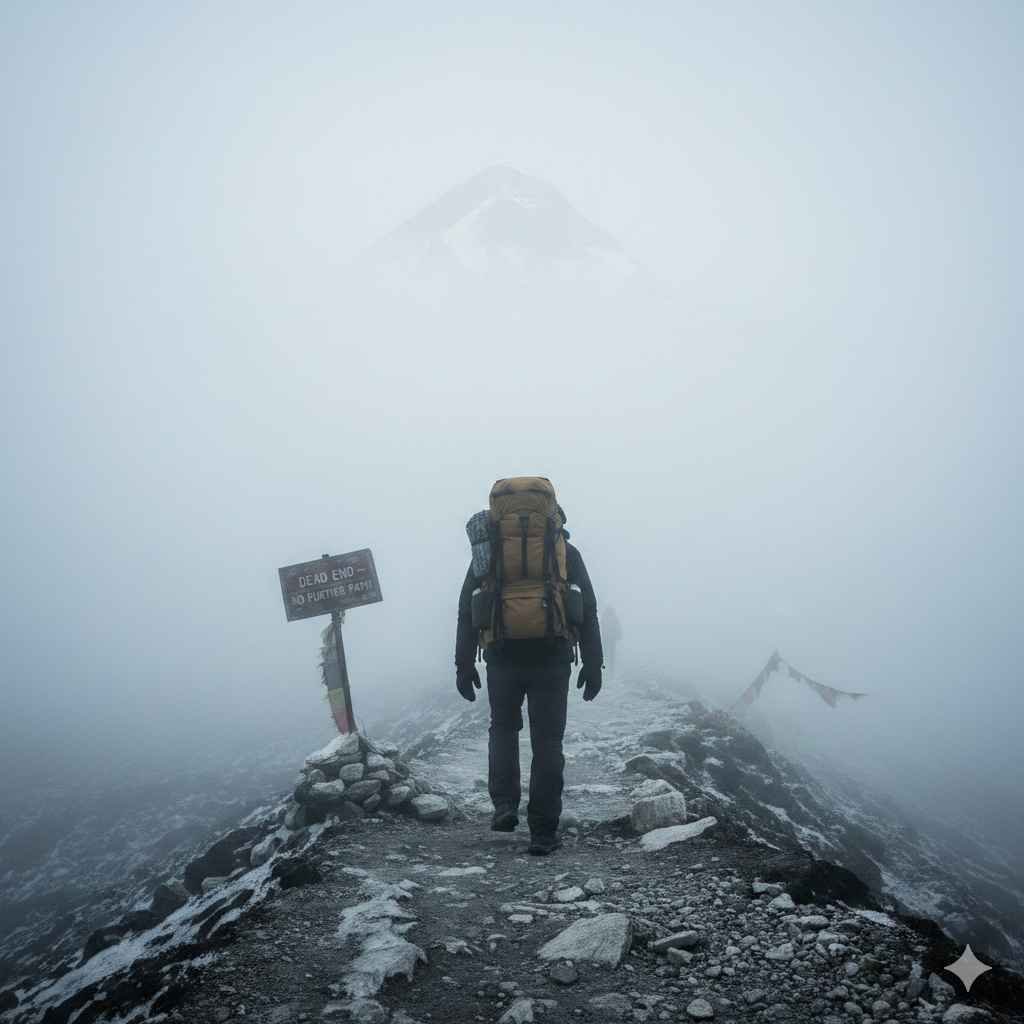
What happens if you get stuck on EBC trek
Being stuck can happen for multiple reasons, such as sudden weather changes, altitude sickness, or logistical delays. While it may sound intimidating, being prepared and knowing what to do can turn a potentially stressful situation into a manageable one. The EBC trek is not just about reaching the base of the world’s highest mountain; it’s about understanding your limits, planning properly, and respecting the environment and weather conditions.
In this guide, we’ll explore the common causes that can make trekkers get stuck on the trail, the precautions to take, and step-by-step advice on handling emergencies. From health concerns and safe shelter options to communication and evacuation strategies, these tips are designed for solo travelers, families, and teens alike. By understanding potential risks and preparing in advance, you can enjoy your Everest Base Camp journey safely and confidently, turning it into a life-changing adventure rather than a stressful ordeal.
Why Trekkers Get Stuck on Everest Base Camp
Trekkers can get stuck on the EBC trail due to a combination of natural and human factors. Sudden weather changes are one of the most common reasons, with snowstorms, heavy rainfall, or dense fog making trails impassable. Altitude sickness is another critical factor; acute mountain sickness (AMS) affects many trekkers above 3,500 meters, causing fatigue, nausea, dizziness, and headaches. Physical exhaustion is also a concern, especially for first-time trekkers who underestimate daily trekking distances or skip rest days.
Logistical challenges, such as fully booked tea houses or lack of available guides, can delay progress. Rare but possible natural events, including avalanches or landslides, may also trap trekkers temporarily. Understanding these risks before your journey and planning accordingly is key to minimizing the chance of getting stuck and ensuring a safe and enjoyable Everest Base Camp experience.
Common Situations That Can Leave You Stuck
When trekking the Everest Base Camp trail, several situations can unexpectedly leave you stuck. Severe weather, such as snowstorms or heavy rain, can make trails slippery and dangerous. Altitude sickness can force trekkers to slow down or descend, causing delays for the group. Physical fatigue from consecutive trekking days may also prevent you from continuing safely.
Logistical problems, like crowded accommodations or limited food supplies, can make staying overnight in certain locations necessary. In rare cases, natural hazards such as landslides or river floods may block paths temporarily. Even small delays, like missing your guide or porter, can affect your schedule significantly.
Being aware of these scenarios allows trekkers to plan extra days, pack essential supplies, and stay mentally prepared. These precautions reduce stress and help you handle unexpected situations confidently while trekking to Everest Base Camp.
What to Do If You Get Stuck on the EBC Trek
If you find yourself stuck during the EBC trek, the first step is to stay calm. Panicking can worsen fatigue and altitude sickness. Assess your current situation: the weather, your location, supplies, and health status. Contact your guide or trekking operator immediately guides are trained to handle emergencies and can arrange evacuation if needed.
Seek shelter in a tea house, lodge, or tent to protect yourself from harsh weather. Monitor your health carefully, especially for symptoms of altitude sickness such as severe headaches, nausea, or breathlessness. Minor delays can often be managed by resting and waiting for the weather to improve.
For serious emergencies, helicopter evacuation is available, but it’s expensive and requires prior coordination. Carrying emergency gear, such as oxygen cylinders and first-aid kits, ensures you are prepared for any unexpected situations while trekking to Everest Base Camp.
Preventing Situations That Cause Delays
Preventing issues on the Everest Base Camp trek begins with careful planning. Acclimatization is critical; ascending gradually and including rest days reduces the risk of altitude sickness. Planning for extra days in your itinerary allows flexibility for weather delays or minor emergencies.
Hiring experienced guides ensures safe navigation through challenging sections, and they can respond effectively if issues arise. Packing smart is equally important: include warm clothing, first aid, snacks, water, and portable oxygen if necessary. Checking weather forecasts daily helps you avoid trekking in unsafe conditions.
Avoid trekking solo if possible, especially for first-timers or families with teens. Traveling in a group with guides increases safety and ensures you are never truly stranded. By taking these precautions, you minimize the chance of being stuck and maximize the enjoyment and safety of your Everest Base Camp adventure.
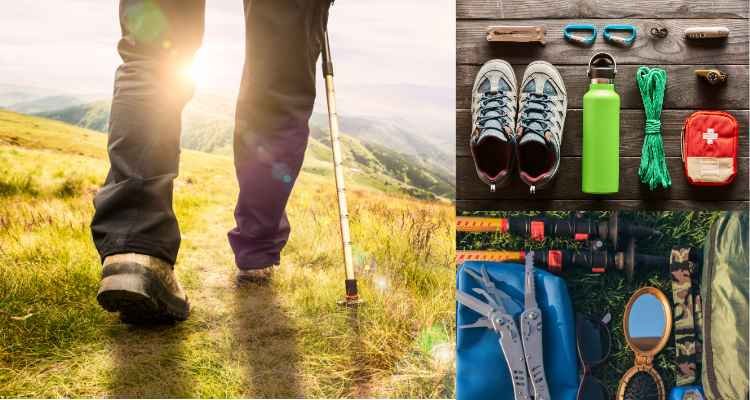
Essential Gear for Staying Safe on EBC Trek
Essential Gear for Staying Safe on EBC Trek
Proper gear is vital for safety on the Everest Base Camp trek. Essentials include warm, layered clothing to handle sudden temperature changes, waterproof jackets, and sturdy trekking boots. Portable oxygen cylinders can help in emergencies involving altitude sickness.
First-aid kits should include basic medicines, blister treatment, and bandages. Headlamps and extra batteries are essential for tea house stays or early morning hikes. Carry a map, trekking permits, and a communication device like a mobile phone or satellite phone for areas without coverage.
Hydration packs and high-energy snacks keep energy levels stable, while trekking poles reduce strain and prevent injuries on steep trails. Proper gear ensures that even if you get stuck due to weather or fatigue, you remain safe, warm, and comfortable while waiting for conditions to improve or receiving assistance.
Family and Teen Considerations (150 words)
Families and teens require extra attention while trekking to Everest Base Camp. Children and teenagers are more susceptible to altitude sickness, so their itineraries should include shorter daily trekking distances and additional acclimatization days. Ensure they stay well-hydrated and consume high-energy snacks throughout the day.
Choosing guided tours with medical support, comfortable lodging, and flexible itineraries is essential. Avoid overloading backpacks, and carry essential safety gear for every family member. Teaching teens basic trekking safety, such as staying with the group and recognizing early signs of altitude sickness, prepares them for emergencies.
By understanding the risks and preparing accordingly, families can safely enjoy the breathtaking landscapes, cultural experiences, and adventure of the EBC trek. Proper planning ensures that children and teens have a memorable and safe Everest Base Camp journey.
FAQs About Getting Stuck on EBC Trek
Q1. What happens if the weather suddenly changes on the EBC trek?
Guides will find safe shelters, tea houses, or lodges. Severe storms may require waiting a day or arranging evacuation.
Q2. Can altitude sickness force me to turn back?
Yes. Severe symptoms require descending immediately to avoid serious health issues.
Q3. Are helicopter evacuations available?
Yes, for emergencies. They are costly, so always plan in advance if you anticipate high-altitude risks.
Q4. How many buffer days should I plan?
Adding 2–3 extra days to your standard 12–14 day itinerary is recommended to handle weather or delays safely.
Q5. Can teens and children trek safely on EBC?
Yes, with proper guidance, acclimatization, and age-appropriate trekking schedules, families can safely experience Everest Base Camp.
The Everest Base Camp trek is a once-in-a-lifetime adventure, but it comes with challenges that every trekker must prepare for. Understanding what happens if you get stuck on the EBC trek allows you to anticipate emergencies, stay safe, and handle unexpected delays calmly.
By hiring experienced guides, planning for extra days, acclimatizing properly, and carrying emergency gear, trekkers of all ages — including families and teens — can enjoy the majestic Himalayan landscapes without unnecessary stress. Minor delays due to weather or fatigue are manageable with preparation, making your journey safer and more enjoyable.
Remember, getting stuck doesn’t have to be a nightmare. With proper planning, safety precautions, and situational awareness, the Everest Base Camp trek becomes a memorable adventure, providing breathtaking views, cultural immersion, and a sense of achievement that will last a lifetime.
