
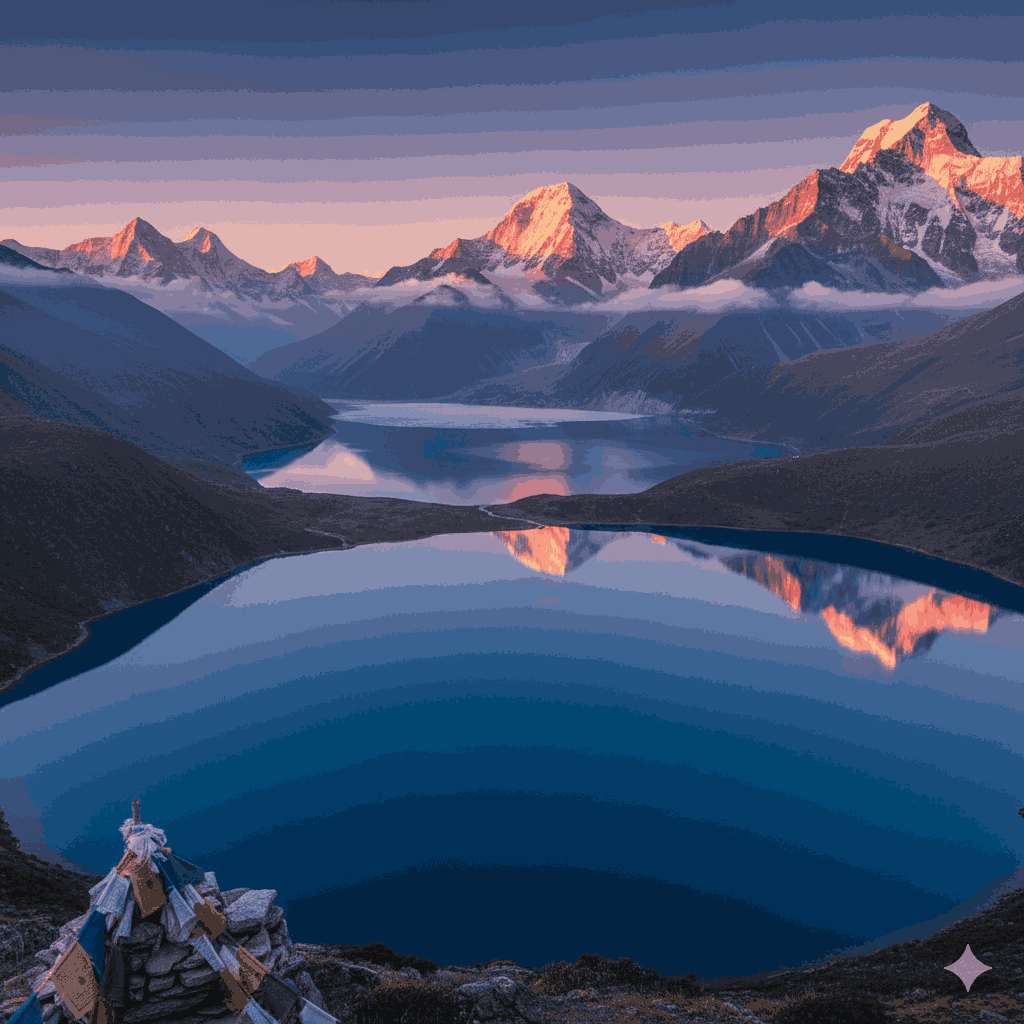
Beautiful sunrise over the lakes in Nepal, showcasing the majestic Himalayan scenery and the tranquility of Nepalese lakes.
In the high-altitude theatres of the Himalayas, the lakes are the silent protagonists. Often referred to as “Teal Gems” or “Mirrors of the Gods,” these waters provide a resting place for the soul after a long trek. Whether it is the mythical depth of Shey Phoksundo or the accessible charm of Phewa, the lakes offer a diversity of experiences unmatched anywhere else in the world.
In this exhaustive 2026 guide, we explore the top 20 lakes, covering their spiritual significance, geological origins, and the logistics of how to reach them.
1. Rara Lake: The Queen of Lakes

Rara Lake in Nepal with pristine waters reflecting the mountains, one of the most peaceful lakes in Nepal.
Located in the remote Mugu district, Rara Lake is the largest freshwater lake among all the lakes. Standing at 2,990 meters, it is a pristine body of water that changes colors throughout the day. Rara is the centerpiece of Rara National Park and remains one of the most peaceful lakes due to its isolation from the mainstream trekking crowds.
If you love quiet spots, don’t miss our guide on Least Crowded Places in Nepal.
Learn about the conservation efforts in the region via the Department of National Parks and Wildlife Conservation.
2. Shey Phoksundo Lake: The Turquoise Mystery
Shey Phoksundo is often cited as the most beautiful of all the lakes. Located in the Dolpa district at 3,611 meters, it is the deepest lake in the country. Its most striking feature is its vibrant turquoise color, which stays bright even on cloudy days. Because there is no aquatic life in the lake, the water is eerily clear, making it a standout among the lakes.
3. Tilicho Lake: The High-Altitude Giant
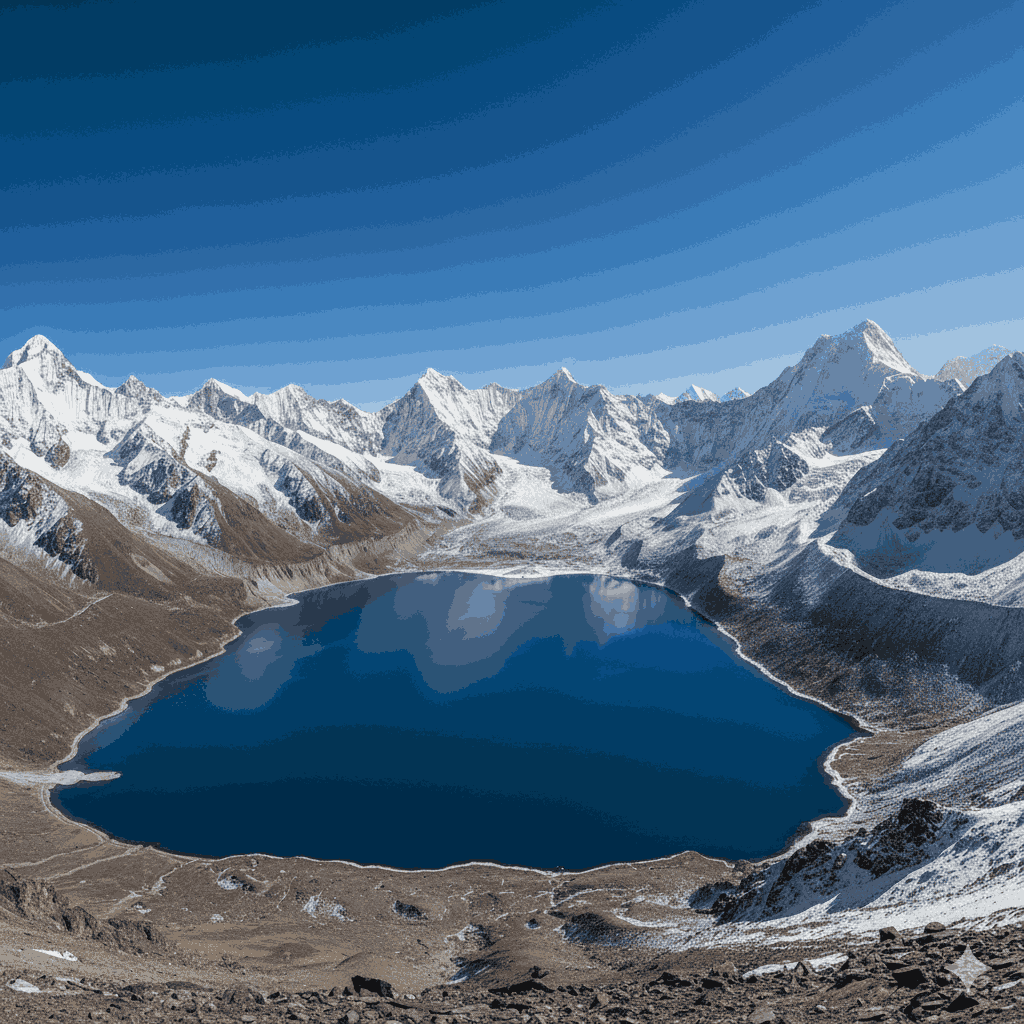
Tilicho Lake in Nepal, a high-altitude lake with stunning blue waters and surrounding snow-capped mountains, among the most iconic lakes in Nepal.
For years, Tilicho Lake was famously marketed as the highest lake in Nepal (and the world). While new discoveries like Kajin Sara have technically overtaken it, Tilicho remains the most iconic high-altitude destination. At 4,919 meters, it sits in a natural bowl created by the Tilicho Peak and the Annapurna massif. It is a mandatory side-trip for anyone doing the Annapurna Circuit.
4. Gokyo Lakes: The Sacred System
The Gokyo Lakes are not just one, but a system of six spectacular glacial lakes in Nepal located in the Everest region. The third lake, Dudh Pokhari, is where the village of Gokyo is situated. Looking at these turquoise waters while surrounded by four of the world’s highest peaks makes this one of the most visually stunning lakes in Nepal.
Pair this with our blog on the Best Viewpoints in Nepal to see how Gokyo Ri fits into your trek.
5. Phewa Lake: The Heart of Pokhara
If accessibility is your priority, Phewa Lake is the most famous of the lakes in Nepal. Located in the tourist hub of Pokhara, it offers the iconic reflection of Mt. Machhapuchhre (Fishtail). Whether you are boating to the Tal Barahi Temple or enjoying a coffee on its banks, Phewa is the social center of all lakes.
6. Gosaikunda Lake: The Pilgrimage Site
High in the Langtang National Park lies Gosaikunda, the most sacred of the lakes for Hindus. According to mythology, Lord Shiva created this lake with his trident. During the Janai Purnima festival, thousands of pilgrims trek to its shores at 4,380 meters. It is a powerful example of the spiritual energy found in the lakes.
7. Begnas Lake: The Quiet Neighbor
Just a short drive from Pokhara, Begnas Lake is the tranquil alternative to Phewa. It is one of the lakes where you can truly find peace, far from the bustle of the city. With its lush green surroundings and local fishing culture, Begnas represents the gentle side of the lakes in Nepal.
8. Panch Pokhari: The Five Sisters
“Panch Pokhari” translates to “Five Lakes.” This collection of five sacred lakes in Nepal is located in the Sindhupalchowk district at 4,100 meters. It is a hidden gem that remains relatively untouristed, making it one of the best lakes in Nepal for those seeking a raw, authentic Himalayan experience.
9. Tsho Rolpa Lake: The Glacial Marvel
Tsho Rolpa is one of the largest glacial lakes in Nepal, located in the Rolwaling Valley. At 4,580 meters, it is a testament to the power of glaciers. The trek to Tsho Rolpa is challenging but rewards you with a view of one of the most dramatic-looking lakes in Nepal, surrounded by the shadows of Mt. Gaurishankar.
10. Mai Pokhari: The Star-Shaped Wetland
Moving to Eastern Nepal, Mai Pokhari in Ilam is a unique entry among the lakes in Nepal. This star-shaped lake is a Ramsar-listed wetland surrounded by tea gardens and cloud forests. It is one of the most biodiverse lakes in Nepal, home to rare orchids and the Himalayan newt.
11. Imja Tsho: The Fast-Growing Glacial Lake
Located in the Everest region, Imja Tsho is one of the most studied lakes in Nepal due to its rapid growth from melting glaciers. While it serves as a warning of climate change, its beauty is undeniable. It is one of the high-altitude lakes in Nepal that few trekkers take the time to visit, but it offers a surreal glacial landscape.
12. Birendra Lake: The Manaslu Jewel
Nestled at the foot of Mt. Manaslu, Birendra Lake is a beautiful glacial pool that trekkers encounter on the Manaslu Circuit. Its emerald-green water is fed by the Manaslu glacier, making it one of the most photogenic lakes in Nepal for circuit trekkers.
13. Rupa Lake: The Twin of Begnas
Rupa Lake is often mentioned alongside Begnas. It is one of the lakes in Nepal that has maintained a very traditional and rural atmosphere. For birdwatchers, Rupa is perhaps the best among the lakes in Nepal near Pokhara to spot diverse avian species.
14. Ice Lake (Kicho Tal): The Manang Secret
For those acclimatizing in Manang, Ice Lake is the ultimate reward. Among the lakes in Nepal, this one is famous for its crystal-clear reflections of the Annapurna range. It is a steep day-climb but offers a perspective of the mountains and lakes in Nepal that you won’t get from the valley floor.
15. Gangapurna Lake: The Glacial Mirror
Also located in the Manang region, Gangapurna Lake was formed by the melting glaciers of Mt. Gangapurna. It is one of the lakes in Nepal where the effects of global warming are most visible, but the turquoise hue of the water against the white peaks remains a highlight of the Annapurna Circuit.
16. Kajin Sara Lake: The New Record Holder
Discovered relatively recently, Kajin Sara Lake is currently touted as the highest of all the lakes in Nepal at approximately 5,020 meters. It is a new frontier for explorers looking to visit the highest-altitude lakes in Nepal.
17. Ghodaghodi Lake: The Terai Paradise
Not all lakes in Nepal are in the mountains. Ghodaghodi Lake in the Far-West Terai is a complex of 13 oxbow lakes. It is one of the most important wetland lakes in Nepal for migratory birds and wildlife like crocodiles and turtles.
18. Bish Hazari Lake: The 20,000 Lakes
Located near Chitwan National Park, Bish Hazari (20,000 Lakes) is a stunning wetland area. It is one of the lakes in Nepal best explored by bicycle or on a jungle safari, offering a lush, tropical contrast to the alpine lakes in Nepal.
19. Kapuche Lake: The Lowest Glacial Lake
Kapuche Lake holds a unique record among the lakes in Nepal: it is the lowest altitude glacial lake in the world, sitting at only 2,546 meters. You can see avalanches falling from Annapurna II directly into the lake, making it one of the most exciting lakes in Nepal to visit.
20. Taudaha Lake: The Legend of Kathmandu
Taudaha is the only natural lake left in the Kathmandu Valley. Legend says that when Manjushri drained the valley to make it habitable, this was one of the lakes in Nepal left behind as a home for the serpent kings (Nagas). It is a vital spot for migratory birds and a peaceful escape within the capital.
Essential Tips for Visiting Lakes in Nepal
If you are planning to visit the lakes in Nepal in 2026, keep these tips in mind:
Respect the Water: Many lakes in Nepal are considered sacred. Swimming is often prohibited, especially in Gosaikunda or Shey Phoksundo. Always ask local guides before entering the water.
Weather Patterns: For the high-altitude lakes in Nepal, visit during Spring (March-May) to see the turquoise water. In Winter, many of these lakes in Nepal will be frozen solid.
Leave No Trace: The ecosystems of the lakes in Nepal are extremely fragile. Carry all your trash back with you.
Frequently Asked Questions (FAQs)
1. Which is the largest lake in Nepal? Rara Lake is the largest freshwater lake among all the lakes in Nepal, covering an area of about 10.8 square kilometers.
2. Which is the deepest lake in Nepal? Shey Phoksundo is the deepest among the lakes in Nepal, with a recorded depth of over 145 meters.
3. Can I swim in the lakes in Nepal? In most high-altitude and sacred lakes in Nepal, swimming is strictly forbidden for religious and environmental reasons. However, you can boat and sometimes swim in lowland lakes in Nepal like Phewa or Begnas.
4. What is the highest lake in Nepal? While Tilicho was traditionally considered the highest, the newly discovered Kajin Sara Lake (5,020m) currently holds the title for the highest among the lakes in Nepal.
5. How do I reach Rara Lake? Reaching the most remote lakes in Nepal like Rara involves flying from Kathmandu to Nepalgunj, and then taking another small plane to Talcha airport, followed by a short hike.
6. Are there any lakes near Kathmandu? Yes, Taudaha Lake is within the valley, while Gosaikunda and the Panch Pokhari system are among the major lakes in Nepal accessible via a multi-day trek from the capital.
The lakes are more than just geographical features; they are the soul of the landscape. From the sacred waters of Gosaikunda to the hidden depths of Rara, the lakes offer a sanctuary for every traveler.
As you plan your 2026 adventure, make sure to include at least one of these lakes in your itinerary. Whether you are looking for a spiritual journey or a photographer’s paradise, the lakes will never cease to amaze.
