October is the one month when the entire Himalaya cooperates: washed post-monsoon air, stable high passes, mild days. That flips the usual question. You shouldn’t ask which trek is good in October. You should ask which trek is only truly good in October and spend your peak-season card there.
Here is the problem with October in Nepal: everything works. The monsoon has scrubbed the dust and haze out of the sky, leaving the sharpest mountain visibility of the year. Daytime temperatures sit in the walking-comfort zone. High passes that are gambles in winter and lotteries in spring go weeks without serious weather. Ask which trek is best in October and the lazy answer is “all of them,” which helps nobody.
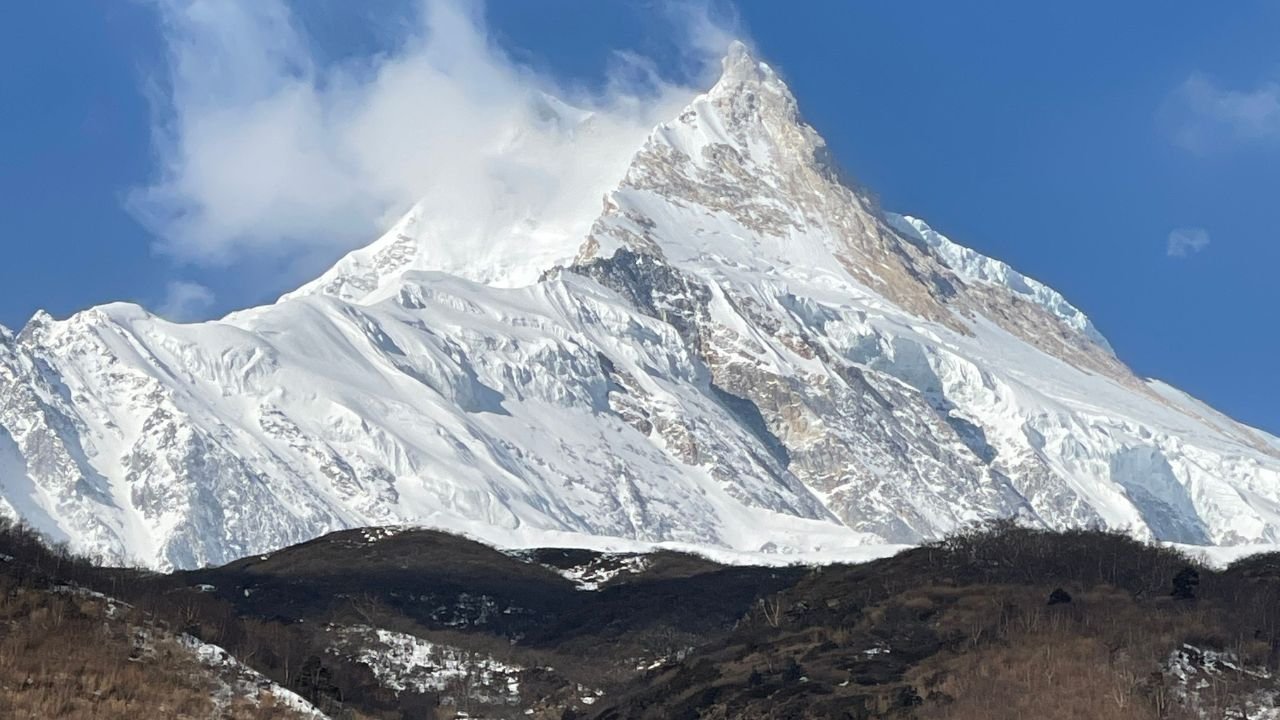
Best Trek in Nepal in October: Photo by Nepal Visuals
So judge it differently. If every route is at its best, the smart move is to spend October on the trek that needs October the one whose crux depends on exactly the stability this month provides, and which repays you with something the famous trails no longer offer: mountains without the crowd.
The best trek in Nepal in October is the Manaslu Circuit.
The rest of this article makes that case honestly, then covers what October really looks like on Everest Base Camp, Annapurna Base Camp, and Langtang because for some trekkers those remain the right call, and the tradeoffs deserve plain numbers.
Permit fees, flight logistics, and regulations below last verified August 2026. Confirm current rates with a registered agency before booking.
The case for Manaslu in October
The Manaslu Circuit is a 12–14 day loop around the world’s eighth-highest mountain (8,163 meters / 26,781 feet), crossing the Larke La pass at 5,106 meters (16,752 feet). That pass is the whole argument. Larke La is a long, exposed crossing where weather is the difference between a hard, glorious day and a dangerous one and October is statistically its most stable month. Post-monsoon snowpack is at its minimum, storm frequency is at its lowest, and the settled spells run long enough to wait out a bad forecast without wrecking an itinerary. In December the pass is a serious cold-weather undertaking. In spring it carries more snow. October is when Larke La behaves.
The second half of the argument is what October does to the famous trails. Peak season puts thousands of trekkers into the Khumbu and the Annapurna Sanctuary. Manaslu, by design, stays quiet: it is a restricted area, which means a Restricted Area Permit issued only through a registered agency, a licensed guide, and under the updated regulation of March 22, 2026 no more two-trekker minimum, so solo travelers with a guide can now get the permit too. The paperwork that deters the crowds is exactly what preserves the experience. You walk through Nubri villages with visible Tibetan Buddhist culture, and in late October the lower gorge sections layer autumn color under fresh-snowed peaks.
The honest tradeoffs: this is not a beginner trek. You need genuine fitness, comfort with 5,000-meter altitude, and 14–16 days including travel. The teahouse standard is a notch below Everest and Annapurna adequate and warming up year by year, but simpler rooms and shorter menus. And the restricted permit costs real money.
Manaslu permit stack (October, per person): Restricted Area Permit around $100 for the first week and roughly $15 per additional day; Manaslu Conservation Area Permit about $15–23; Annapurna Conservation Area Permit about $23 (the exit route passes through ACAP territory); plus TIMS, which is still required in this region. Budget roughly $160–180 in permits alone, on top of the mandatory guide. A full October package typically runs $1,100–1,600 depending on group size and service level.
That is more than EBC in permit terms. What you are buying is the best high pass of the year and trails at one-tenth the density.
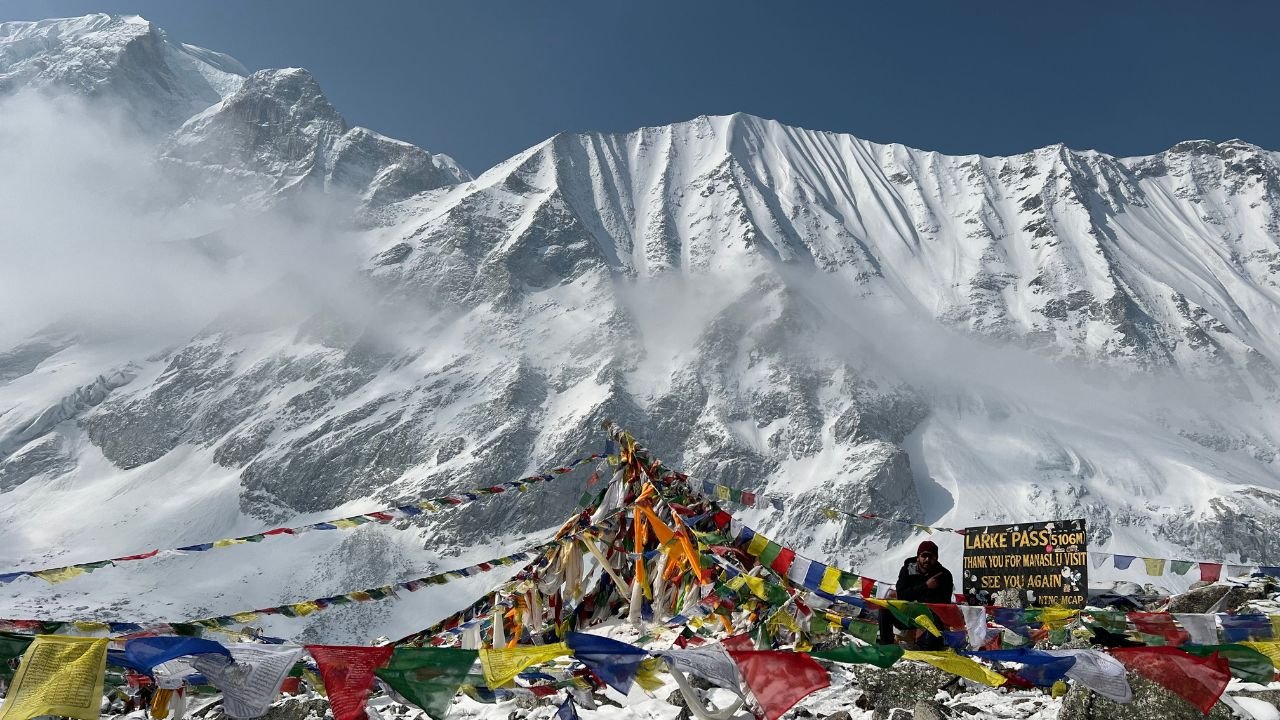
Best Trek in Nepal in October
If your October trek has to be Everest Base Camp
For many people the answer was always going to be EBC, and October is genuinely its finest month: the classic clear-sky window with summit views that hazy spring rarely matches. Two things need to be planned for rather than discovered on arrival.
First, you will not fly to Lukla from Kathmandu. During peak season late September through November all Lukla flights operate from Manthali Airport in Ramechhap, about 132 kilometers east. Standard procedure: leave your Kathmandu hotel between 1 and 3 a.m., drive four to six hours, and catch a 15–20 minute morning flight. Tickets run around $175–215 each way, plus roughly $20 for transport. The consolation is real: Ramechhap’s flight window is cleaner than Kathmandu’s ever was, so peak-season reliability has actually improved. But when weather does cancel a morning, the backlog can run to hundreds of trekkers, so build at least one buffer day on each end of the trek two if you have a tight international connection.
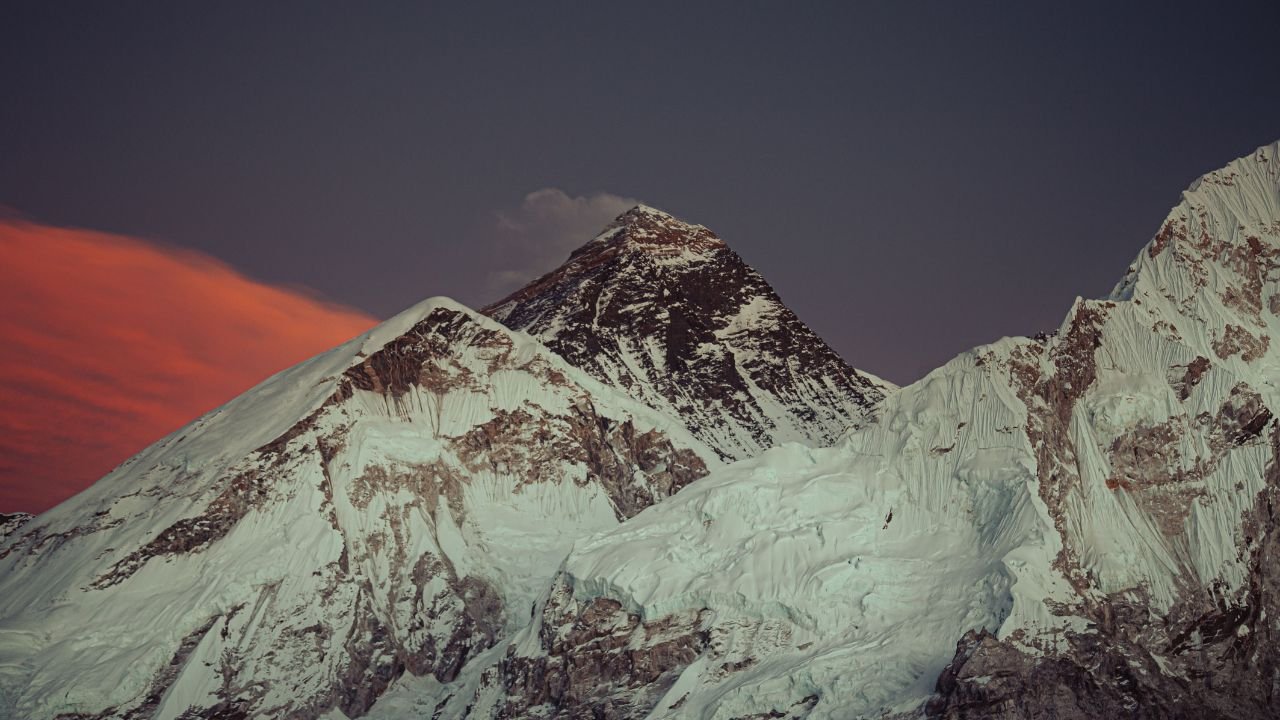
Everest Base Camp
Second, October teahouse pressure is real. In Namche, Dingboche, and especially Lobuche and Gorak Shep, beds fill by mid-afternoon in peak weeks. Trekking with an agency that pre-books rooms, or starting walking days early, is the difference between a room and a dining-hall bench. Independent-style spontaneity is the wrong tool for the Khumbu in October.
The other honest options
Annapurna Base Camp (7–10 days) delivers the biggest amphitheater-of-peaks payoff per day of walking in Nepal, and October mornings in the Sanctuary are the postcard. It shares EBC’s crowd problem in compressed form the lodges at Machapuchare Base Camp and ABC itself are few and fill fast but the logistics are far simpler: no flights, road access from Pokhara, easy exit options. The right choice for a 10-day October window without flight risk.
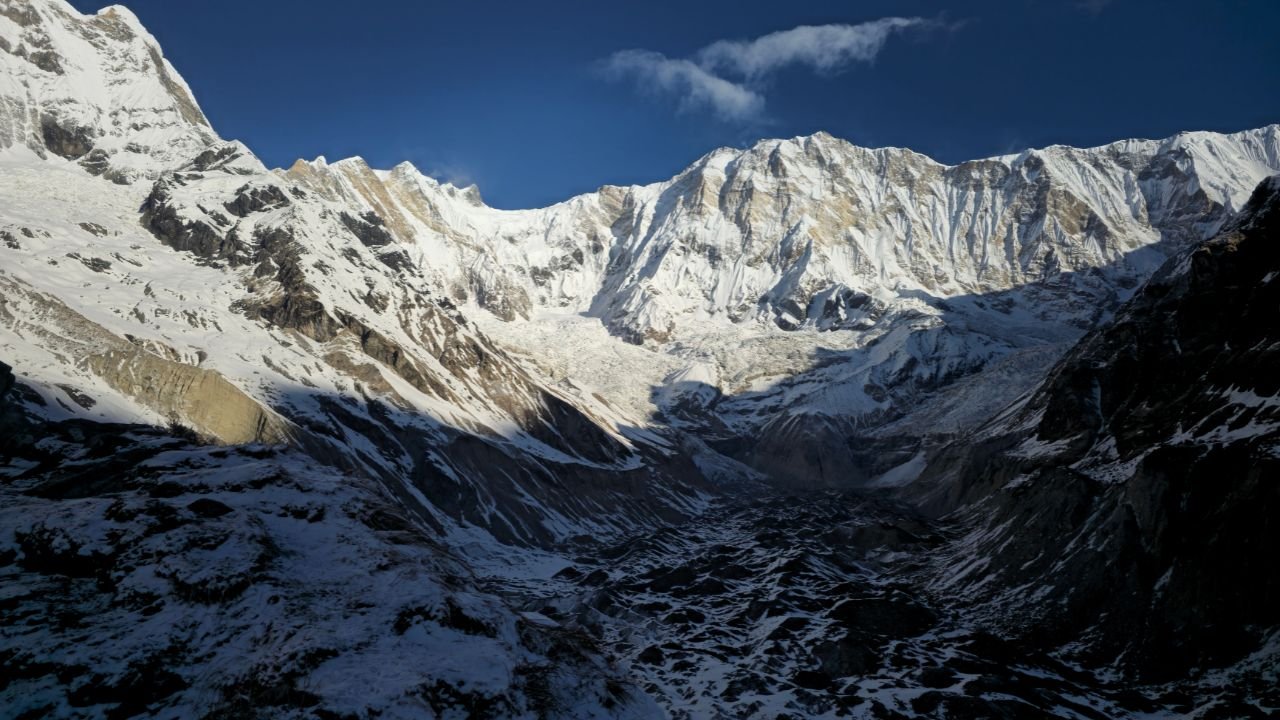
Annapurna Base Camp
Langtang Valley (7–8 days) is the quiet-crowd alternative that doesn’t require Manaslu’s fitness or budget. October gives Kyanjin Gompa its clearest skies for the Kyanjin Ri viewpoint climbs, and the valley absorbs its visitors without EBC-style congestion. The tradeoff remains the rough trailhead drive from Kathmandu.
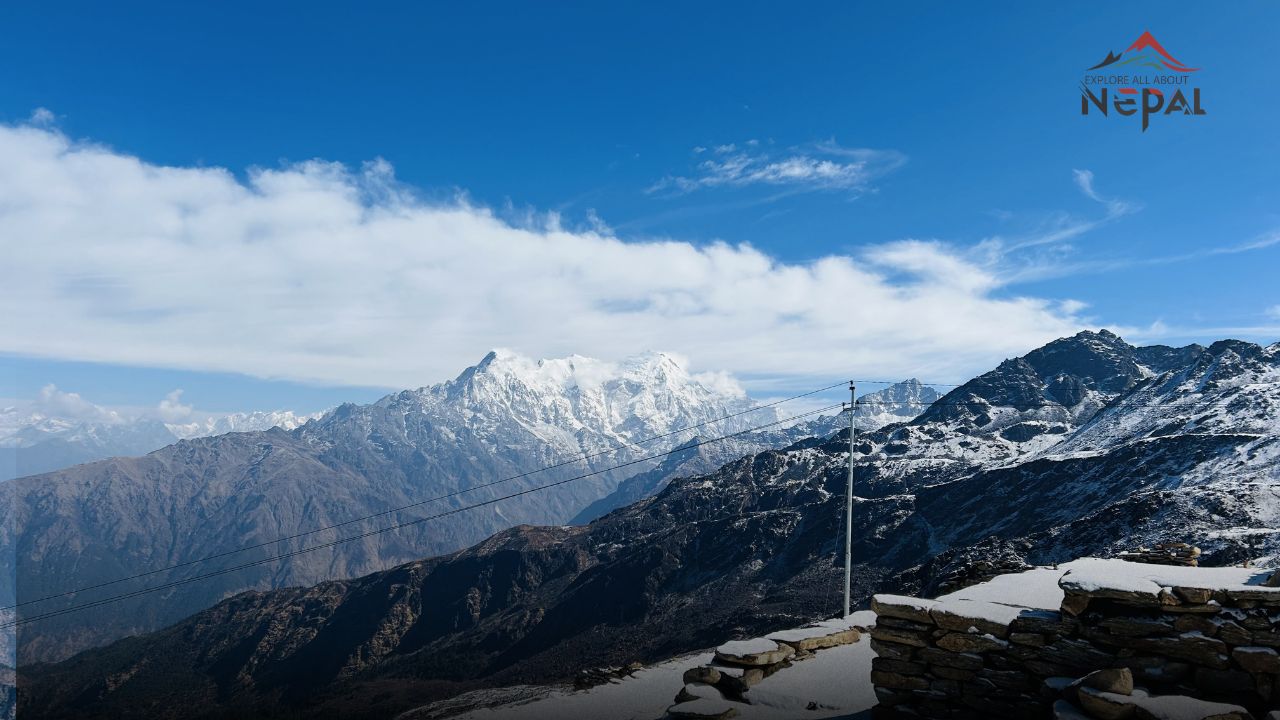
Langtang Valley Trek
First Himalayan trek? October is the kindest month for that too but pick the route by altitude, not by season. Our verdict on the best trek in Nepal for beginners covers why a lower route beats the famous names for a first trip.
October fine print that applies everywhere
Early October can still carry the monsoon’s tail in some years, rain lingers into the first week and the celebrated clarity arrives mid-month. Mid-to-late October is the premium window, which is also why it’s the most crowded and the most expensive time to book late. Nepal’s biggest festivals, Dashain and Tihar, also fall in the October–November period: trails operate normally, but domestic buses, jeeps, and flights fill with home-traveling Nepalis, and some Kathmandu services run reduced hours. Book internal transport earlier than feels necessary.
And at any altitude, October nights are already winter: expect well below freezing above 4,000 meters. The month’s gift is stability and clarity, not warmth.
The verdict, restated plainly
If you have the fitness, the days, and roughly $1,100–1,600: Manaslu. It is the trek October was made for, and the one you cannot responsibly schedule in most other months. If EBC is the dream, October is its best month go, but plan around Ramechhap and pre-booked teahouses rather than hoping. If you have ten days and no appetite for flight roulette, ABC. If you want quiet without Manaslu’s price of entry, Langtang.
Whichever you choose, choose soon. The trekkers you’ll share the trail with in late October booked their flights in August.
