

Subscribe to our newsletter and never miss our latest news.
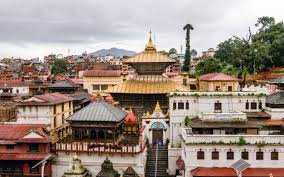
Pashupatinath Temple is the holiest Hindu temple in Nepal and one of the most revered shrines dedicated to Lord Shiva anywhere in the world. Located on the sacred banks of the Bagmati River in Kathmandu, this ancient temple complex is a UNESCO World Heritage Site that reflects centuries of devotion, tradition, and spiritual practice.
The temple is dedicated to Lord Shiva in his form as Pashupati, the protector of all living beings. For Hindus, worshipping at Pashupatinath is believed to bring spiritual purification and help attain moksha (salvation). Every year, millions of pilgrims from Nepal, India, and other parts of the world visit the temple, especially during major festivals such as Maha Shivaratri, Teej, and Bala Chaturdashi.
Architecturally, the main temple is built in traditional Nepali pagoda style, featuring a gold-plated roof, silver doors, and beautifully carved wooden struts depicting various deities. While only Hindus are allowed to enter the inner sanctum, visitors of all faiths can explore the vast temple complex, which includes numerous smaller temples, ashrams, statues, and sacred spaces.
The Bagmati River beside the temple holds great religious significance, as its banks are used for traditional Hindu cremation rituals, symbolizing the cycle of life, death, and rebirth. Together, the sacred river, ancient architecture, and continuous rituals make Pashupatinath Temple a living center of Nepal’s religious, cultural, and spiritual identity.
