
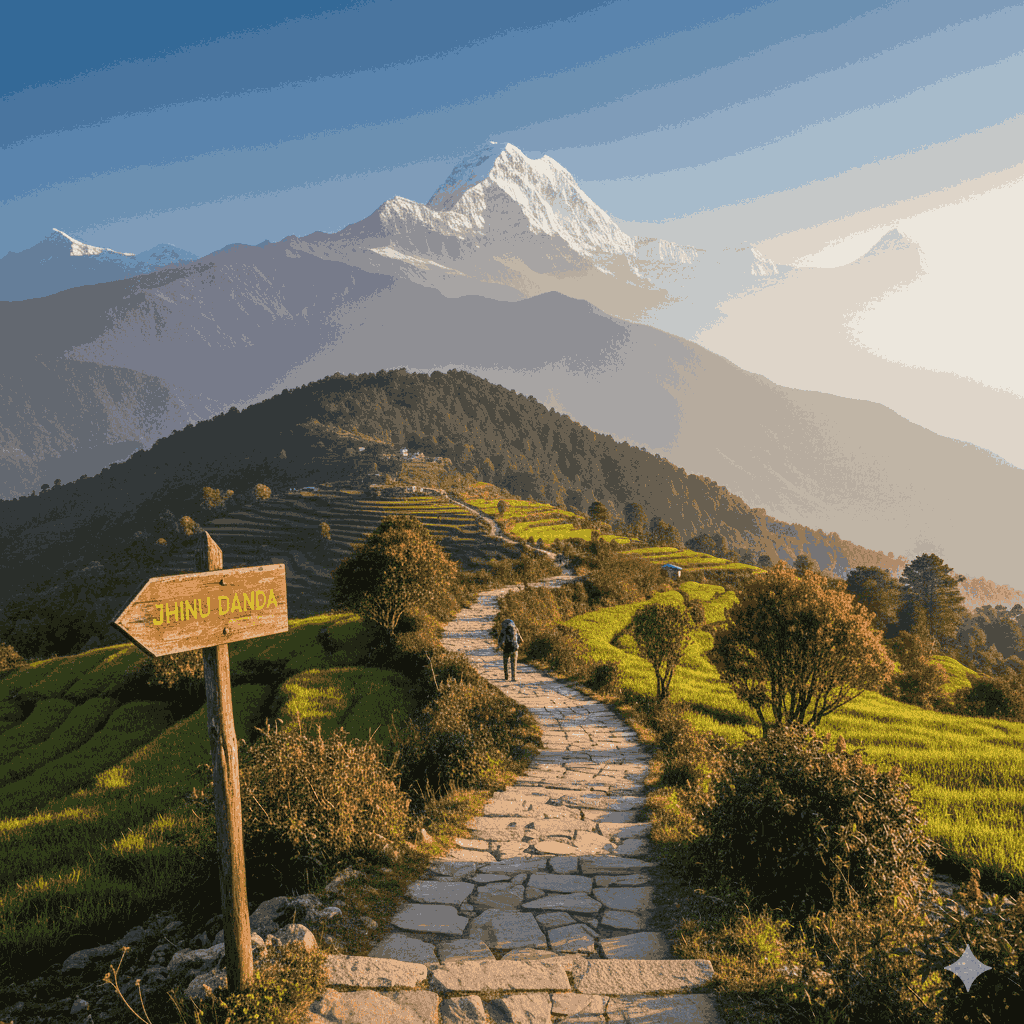
Trekkers crossing the iconic suspension bridge during their Jhinu Danda Trek adventure.
Nepal, the land of the Himalayas, is famed for its breathtaking mountain vistas, rich cultural tapestry, and adventure tourism. Among the myriad trekking routes available, the Jhinu Danda Trek stands out as an exceptional short trek that offers a perfect blend of natural beauty, cultural immersion, and relaxation. Whether you’re a seasoned trekker or a first-time adventurer, this trek delivers a rewarding experience filled with panoramic mountain views, lush forests, traditional villages, and the famed natural hot springs that make this route a must-do in Nepal.
Why is the Jhinu Danda Trek so Popular?
Nepal’s trekking options are abundant, but what makes the Jhinu Danda Trek unique? This route isn’t just about walking; it’s about the transition from the high-octane energy of the mountains to the tranquil serenity of the riverside.
Natural Hot Springs: The main attraction is the soothing hot springs at Jhinu Danda, a perfect reward after days of trekking. Unlike other trails where you finish tired and sore, the Jhinu Trek offers a biological reset.
Stunning Himalayan Views: From the trail, trekkers are treated to sweeping views of peaks like Annapurna South, Hiunchuli, and the iconic Machapuchare (Fishtail).
Cultural Encounters: Experience authentic Nepali village life, meet Gurung and Thakali communities, and learn about their traditions. The Jhinu Danda Trek takes you through Ghandruk, one of the most famous ethnic villages in the country.
Short & Manageable: The Jhinu Danda Trek can be completed in 4-6 days, ideal for travellers with limited time who still want the “Himalayan experience”.
Rich Biodiversity: The route passes through rhododendron forests, bamboo groves, and terraced fields. During the Jhinu Trek, you might even spot langur monkeys or exotic Himalayan birds.
Affordable & Accessible: Compared to longer expeditions, the Jhinu Trek is a budget-friendly option that still offers plenty of adventure without the need for domestic flights to remote airstrips.
When Is the Best Time for a Jhinu Danda Trek?
Timing is crucial to ensure a safe and enjoyable trek. The Jhinu Trek is accessible year-round, but your experience will vary wildly depending on the month.
Spring (March to May)
This is arguably the best time for the Jhinu Trek. The rhododendrons bloom in shades of red and pink, and the weather is warm. The visibility of the Annapurna range is usually crystal clear in the mornings.
Autumn (September to November)
Following the monsoon, the air is scrubbed clean. This is the peak season for the Jhinu Danda Trek. You’ll encounter many fellow travellers, and the festive atmosphere in the teahouses is infectious.
Summer (June to August)
Monsoon season brings heavy rainfall, making the Jhinu Trek trails slippery. However, the flora is at its lushest. If you don’t mind leeches and rain gear, the hot springs feel even more magical in the rain. (For seasonal safety, check the Nepal Tourism Board.)
Winter (December to February)
While the Jhinu Trek doesn’t reach extreme altitudes, it can get chilly. However, the lower crowds mean you might have the hot springs all to yourself!
How to Reach Pokhara: Your Gateway to the Trek
Most trekkers start their Jhinu Danda Trek journey from Pokhara, Nepal’s adventure hub.
By Air: Daily flights from Kathmandu take 25 minutes. This is the fastest way to start your Jhinu Danda Trek.
By Road: A 6-7 hour drive offers a glimpse into rural Nepal. For those looking for more adventure after their Jhinu Trek, consider checking out the Manaslu Circuit Trek for a more rugged experience.
Once in Pokhara, you can arrange your Jhinu Trek permits and hire local guides.
Detailed 6-Day Itinerary for Jhinu Danda Trek
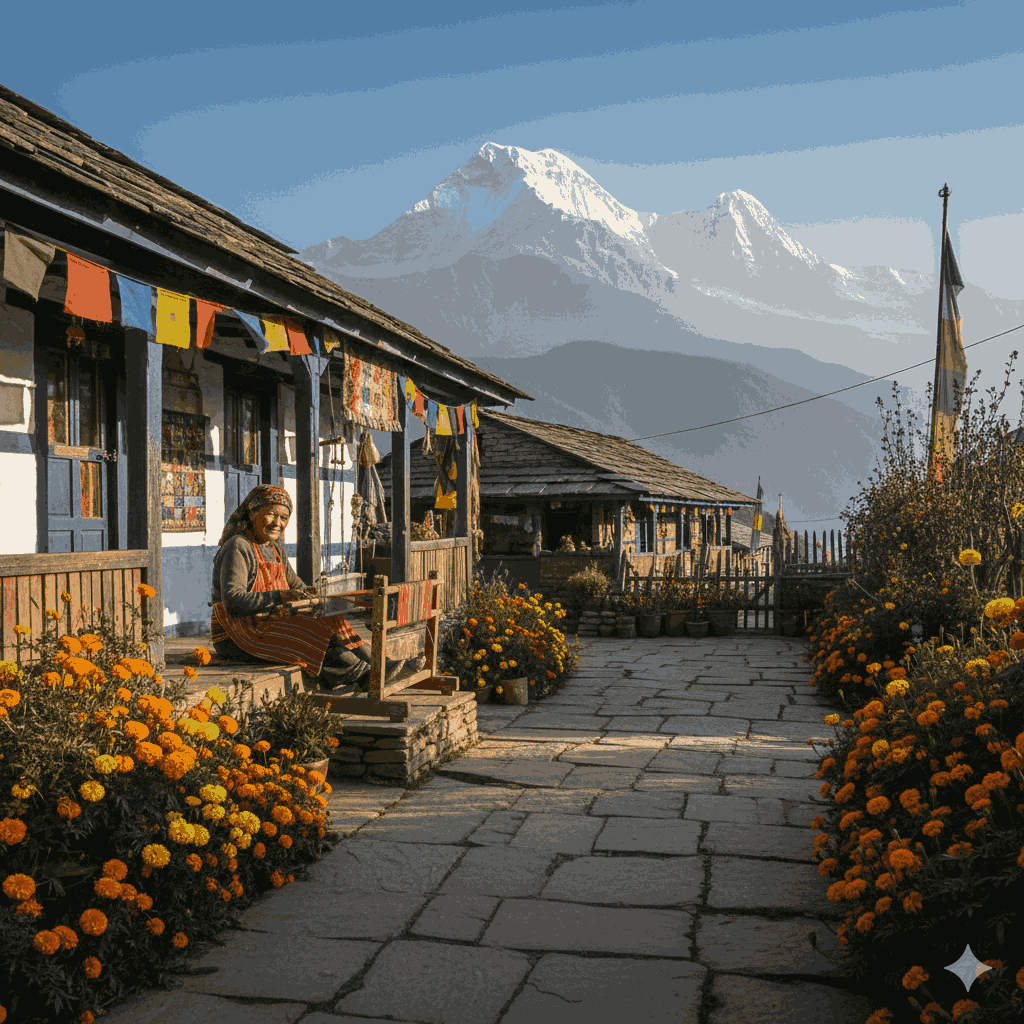
Traditional Gurung village architecture experienced on the Jhinu Danda Trek.
This itinerary ensures you get the most out of every mile on the Jhinu Danda Trek.
Day 1: Pokhara to Nayapul – Trek to Ghandruk
The journey begins with a scenic drive. The first day of the Jhinu Danda Trek introduces you to the Modi Khola river valley. Ghandruk is a massive Gurung settlement. If you enjoy this cultural aspect, you might also be interested in the Everest Base Camp Trek, which offers Sherpa culture.
Day 2: Ghandruk to Chhomrong
Today, the Jhinu Danda Trek gets steeper. You will climb stone stairs (a staple of the Annapurna region) to reach Chhomrong, the gateway to the Sanctuary.
Day 3: Chhomrong to Sinuwa
This leg of the Jhinu Trek takes you deeper into the heart of the mountains. The views of Machapuchare from Sinuwa are unparalleled.
Day 4: Sinuwa to Jhinu Danda
The descent begins. This is the day most trekkers look forward to on the Jhinu Danda Trek. After reaching the village, a 20-minute walk downhill leads to the riverside hot springs.
Day 5: Jhinu Danda to Nayapul & Return to Pokhara
The final walking day of your Jhinu Trek follows the river. It’s a relatively easy walk compared to previous days.
Day 6: Explore Pokhara
Celebrate the completion of your Jhinu Danda Trek with a boat ride on Phewa Lake.
Why You Should Not Miss the Hot Springs at Jhinu Danda
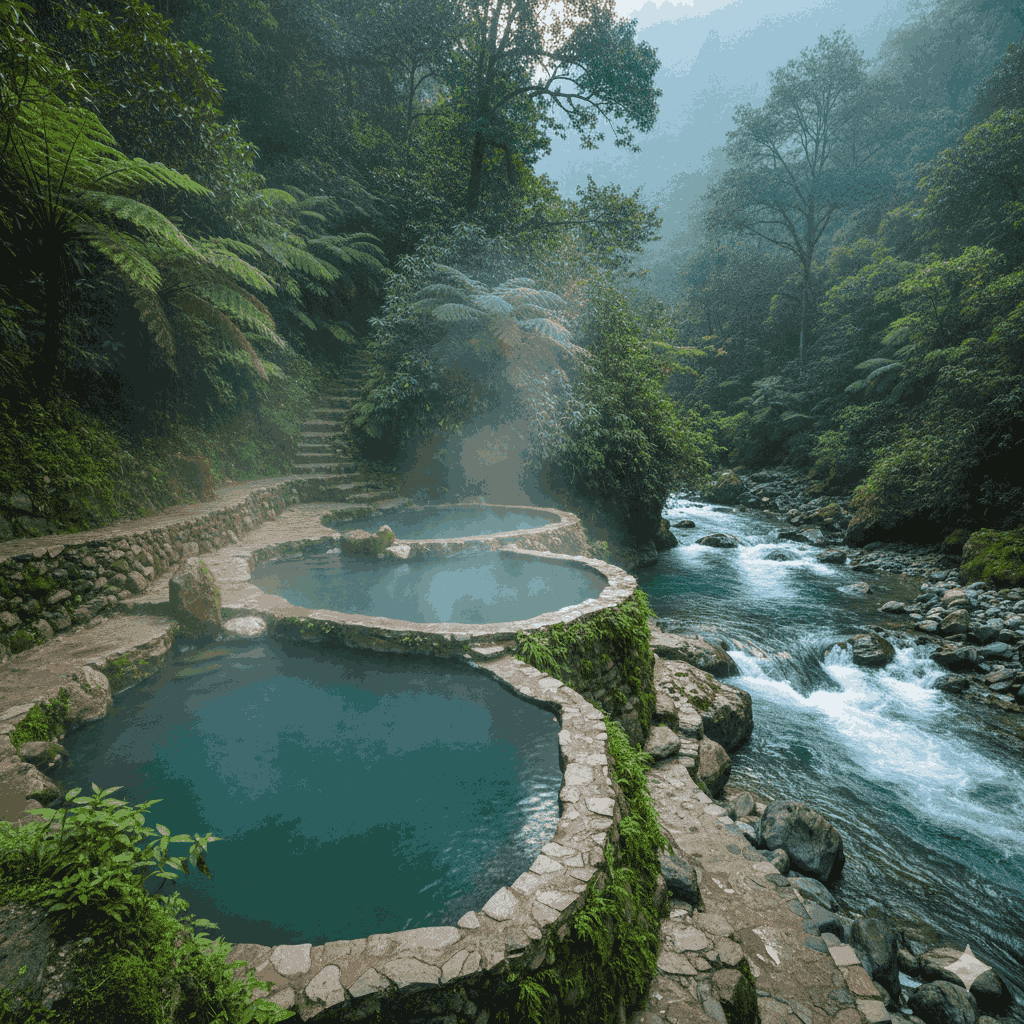
Soothing natural hot springs at the riverside, a highlight of the Jhinu Danda Trek.
The hot springs are the soul of the Jhinu Trek. Located on the banks of the Modi Khola, there are three main pools of varying temperatures. Local legends suggest these waters have healing properties, particularly for skin ailments and joint pain—perfect for those who have just finished a long Jhinu Danda Trek. Pro Tip: The hot springs are about a 15-20 minute steep walk down from the main village area. Don’t forget to factor in the walk back up after your soak!
In-Depth Preparation for the Jhinu Danda Trek
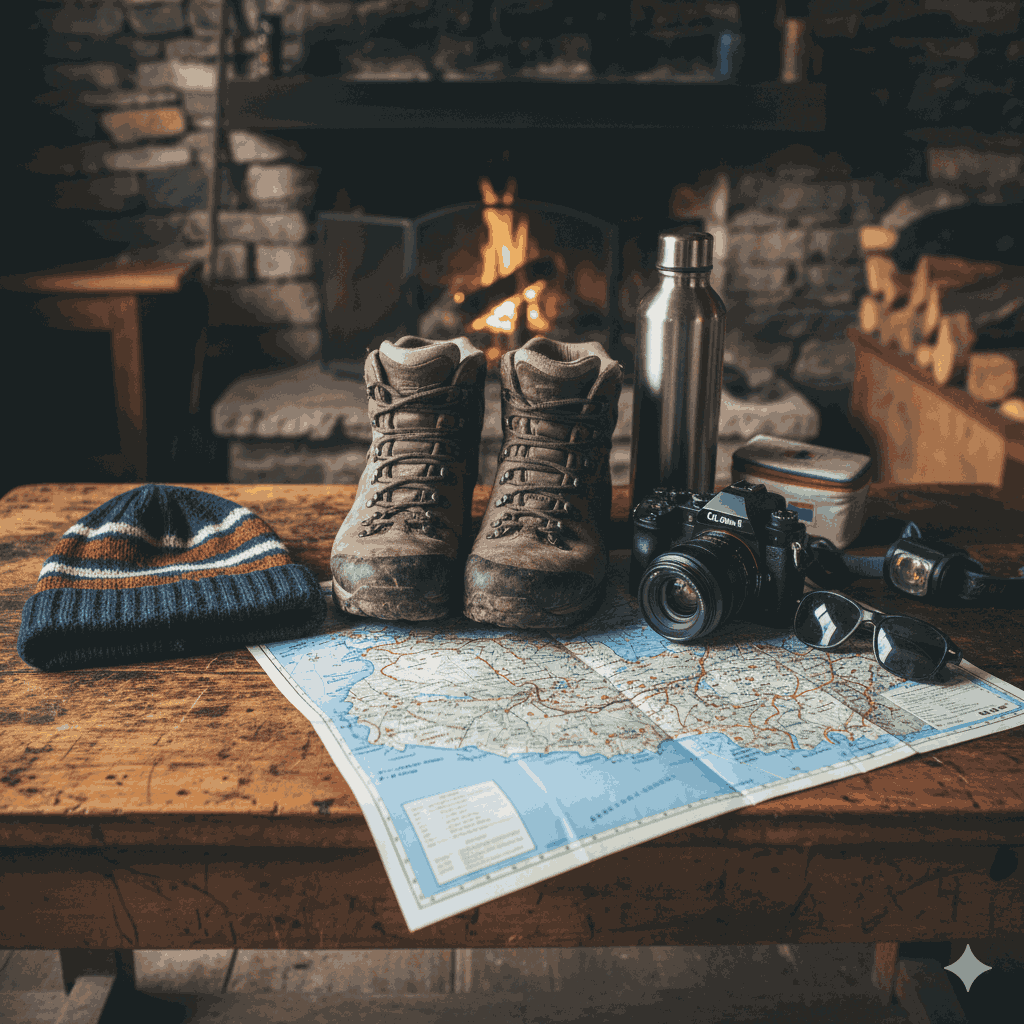
Essential gear and maps prepared for a successful Jhinu Danda Trek.
1. Physical Fitness
While the Jhinu Danda Trek is “moderate”, Nepal’s terrain is never truly flat. Prepare your legs for thousands of stone steps.
2. Permits and Documentation
For the Jhinu Trek, you need:
ACAP (Annapurna Conservation Area Permit)
TIMS (Trekkers’ Information Management Systems) card. You can find more details on current regulations at the Nepal Department of Tourism.
3. Packing Essentials
For a successful Jhinu Danda Trek, pack:
A sturdy pair of broken-in hiking boots.
Swimwear (essential for the Jhinu hot springs!).
A lightweight down jacket for chilly evenings.
Water purification tablets.
If you find yourself wanting more after this experience, the Annapurna Sanctuary Trek is a natural next step from the Jhinu Danda Trek route.
The Cultural Significance of the Jhinu Danda Trek
The Jhinu Trek isn’t just a physical journey; it’s a window into the lives of the Gurung people. These “Gurkhas” are famous for their bravery and hospitality. During your Jhinu Danda Trek, take the time to visit the local museums in Ghandruk or Chhomrong to understand the history of these mountain dwellers.
Frequently Asked Questions (FAQs)
Q1: How difficult is the Jhinu Danda Trek? The Jhinu Danda Trek is moderate. It is accessible for anyone with a basic level of fitness, though the “Nepali flats” (up-and-down terrain) can be tiring.
Q2: Can I do the Jhinu Trek solo? While possible, the Nepal government recently updated regulations regarding solo trekking in certain areas. It is always safer and more culturally rewarding to take a guide on your Jhinu Trek.
Q3: What is the maximum altitude of the Jhinu Trek? The Jhinu Trek usually stays below 2,500 meters, making the risk of Acute Mountain Sickness (AMS) very low compared to other treks.
Q4: Is there Wi-Fi on the Jhinu Danda Trek? Most teahouses on the Jhinu Trek offer Wi-Fi for a small fee, but the connection can be spotty during bad weather.
Q5: What should I eat during the Jhinu Trek? “Dal Bhat Power 24 Hour!” The traditional lentil soup and rice are the best fuel for the Jhinu Trek.
The Jhinu Trek offers an authentic Himalayan adventure with the perfect mix of mountain vistas, cultural immersion, and relaxation. It is an ideal choice for travellers seeking a shorter trek that doesn’t compromise on scenic beauty. From the lush forests to the soothing hot springs, every moment of the Jhinu Trek is designed to inspire.
