Altitude Sickness in Nepal: Causes, Symptoms & Essential Safety Tips
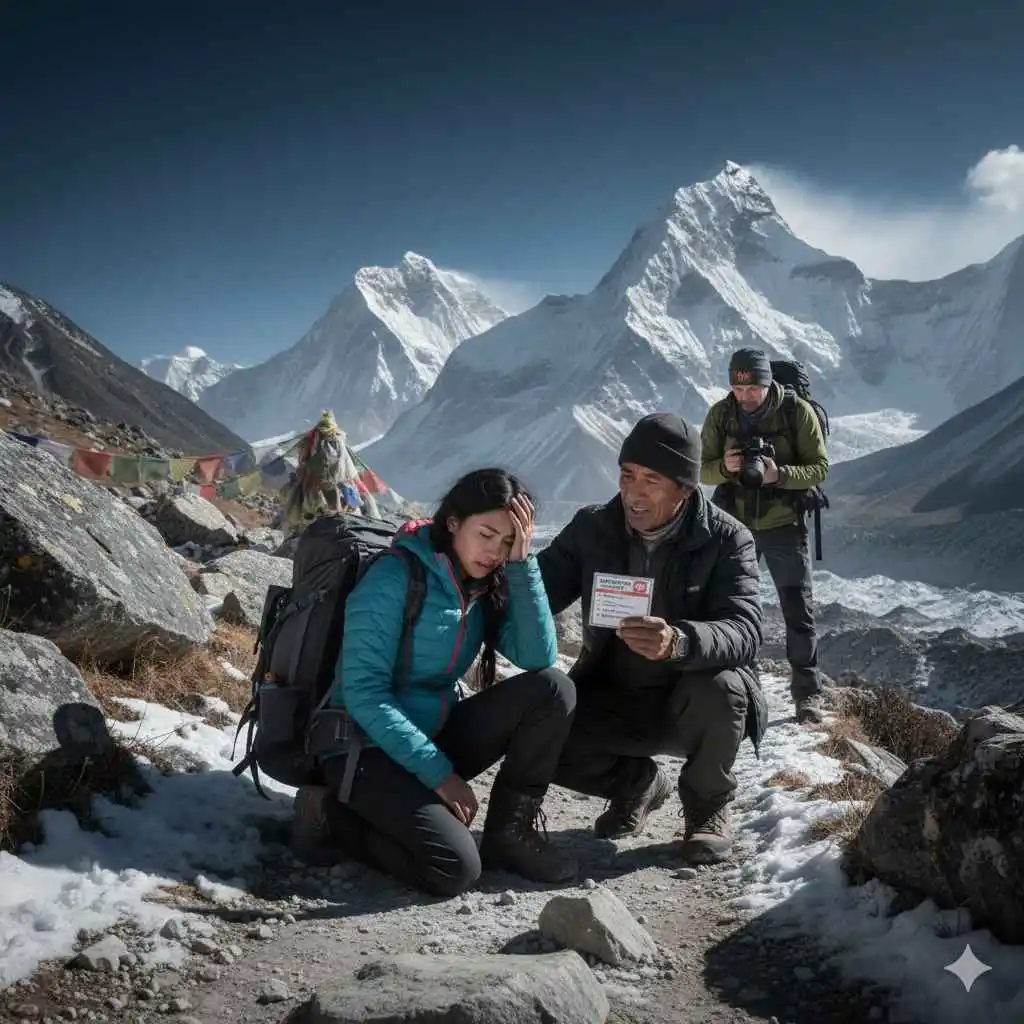
Nepal’s Himalayas are a dream destination for trekkers, adventurers, and mountaineers from around the world. With iconic routes like Everest Base Camp, Annapurna Circuit, Manaslu, Langtang, Gosaikunda, and Mardi Himal, the country offers some of the world’s most breathtaking high-altitude adventures. But alongside the beauty comes a serious challenge: Altitude Sickness in Nepal.
Every year, thousands of trekkers travel to high elevations without fully understanding how altitude affects the body. Some experience mild discomfort, while others face severe, life-threatening conditions that require immediate evacuation. The truth is simple: Altitude Sickness in Nepal is common, dangerous, but completely manageable with the right knowledge and safety precautions.
Whether you’re planning your first trek or returning to Nepal for another Himalayan adventure, this 2500-word comprehensive guide will give you everything you need to know. You’ll learn what altitude sickness is, what causes it, how to prevent it, how to recognize symptoms, and what to do if it becomes serious. These Altitude Sickness in Nepal Safety Tips are essential for a safe and enjoyable trekking experience.
What Is Altitude Sickness? Understanding the Basics
Altitude sickness also known as Acute Mountain Sickness (AMS) occurs when your body cannot adjust to the reduced oxygen levels at high elevation. At sea level, the air contains plenty of oxygen, but as you ascend, the air becomes thinner, making each breath less effective.
Most trekkers experience symptoms above:
2,500 meters (8,200 ft) — mild AMS
3,500 meters (11,500 ft) — moderate AMS risk
4,500 meters (14,700 ft) — high AMS risk
5,000 meters (16,400 ft) — severe AMS zone
Because Nepal’s most popular trekking routes reach these altitudes, Altitude Sickness in Nepal is something every traveler must take seriously.
Why Altitude Sickness Happens in Nepal’s Trekking Regions
When you climb too quickly, the body struggles to adapt. Your brain and lungs require time to adjust to thinner air. Without proper acclimatization, you may experience AMS, or in severe cases, two life-threatening conditions:
1. HAPE (High Altitude Pulmonary Edema)
Fluid builds up in the lungs, causing breathlessness even at rest.
2. HACE (High Altitude Cerebral Edema)
Fluid builds up in the brain, causing confusion, inability to walk, and loss of coordination.
Both require immediate descent.
Because treks in Nepal often involve long daily ascents and significant altitude gains, guides emphasize following proper Altitude Sickness in Nepal Safety Tips before and during your journey.
Common Symptoms of Altitude Sickness
Recognizing symptoms early can save your life. Learn these signs so you can act immediately.
Mild Symptoms (Typical AMS)
Constant headache
Lack of appetite
Nausea
Fatigue or muscle weakness
Trouble sleeping
Lightheadedness
Moderate Symptoms
Vomiting
Trouble walking in a straight line
Persistent headache
Shortness of breath
Severe fatigue
Severe Symptoms (HAPE or HACE)
Total exhaustion
Breathlessness at rest
Blue lips or fingernails
Confusion or hallucination
Inability to walk
Wet cough with frothy sputum
Tightness in chest
These symptoms can progress rapidly. If any moderate or severe symptoms appear, follow emergency Altitude Sickness in Nepal Safety Tips immediately.
Who Can Get Altitude Sickness in Nepal?
Many people assume that only unfit, older, or inexperienced trekkers get altitude sickness. This is completely false.
Anyone can get altitude sickness:
Fit athletes
Children
Professional climbers
People who live at sea level
Even those who have trekked before
Your fitness level does not protect you from AMS. The only real protection is proper acclimatization and following safety guidelines.
Altitude Sickness in Nepal – Safety Tips (Complete Guide)
Below are the most trusted and effective Altitude Sickness in Nepal Safety Tips used by veteran guides, mountaineers, and medical experts.
1. Ascend Slowly — No More Than 300–500 Meters Per Day
One of the biggest mistakes trekkers make is going too fast. In the Himalayas, slow and steady is the safest approach.
General rule:
Do not exceed 300–500 meters elevation gain per day once above 2,500 meters.
Take one acclimatization day every 1,000 meters.
This rule alone prevents the majority of AMS cases.
2. Stay Hydrated (3–4 Liters Daily)
Dehydration is one of the strongest triggers of altitude sickness. At higher altitudes, you lose water faster through breathing and sweating.
Drink:
Hot water
Electrolyte drinks
Tea (ginger, lemon, or herbal)
Avoid:
Alcohol
Too much caffeine
Sugary carbonated drinks
Hydration is a key part of Altitude Sickness in Nepal Safety Tips that many trekkers overlook.
3. Eat Energy-Rich, Light Meals
Your body works harder at elevation, so fuel yourself with:
Dal Bhat (perfect for energy)
Oatmeal
Rice
Soups
Vegetables
Fruits and nuts
Avoid:
Heavy, oily meals
Excessive meat
Eating right improves oxygen absorption and reduces stress on your body.
4. Take Acclimatization Days Seriously
Popular trekking routes like Everest Base Camp, Manaslu Circuit, Annapurna Circuit, and Langtang require proper acclimatization days.
Common acclimatization activities:
Short hikes to higher viewpoints
Returning to sleep at lower altitude
Light stretching
Drinking plenty of water
Never skip rest days they are essential for avoiding Altitude Sickness in Nepal.
5. Consider Taking Diamox (Consult a Doctor)
Diamox (Acetazolamide) helps your body adapt faster.
It is not a cure, but a support for acclimatization.
Typical dosage:
125–250mg twice daily
Only take Diamox:
After medical advice
As a preventive on high-risk routes
If mild symptoms appear
It works best when paired with slow ascent.
6. Sleep Warm and Well
Poor sleep increases AMS risk. Bring:
A high-quality sleeping bag (−10°C to −20°C)
Thermal base layers
Warm socks
Hot water bottle
A warm night keeps your body functioning and improves acclimatization.
7. Avoid Alcohol and Smoking at All Costs
Alcohol reduces breathing efficiency and slows down acclimatization.
Smoking:
Lowers oxygen intake
Increases risk of AMS
Weakens lungs
Avoid both until your trek is complete.
8. Listen to Your Body — Don’t Force Yourself
If you feel:
Headache
Loss of appetite
Dizziness
Vomiting
Stop immediately.
Never push through AMS symptoms it only gets worse at higher altitude.
Listening to your body is one of the most important Altitude Sickness in Nepal Safety Tips.
9. Trek With a Guide or Porter (Especially for High Altitude)
A licensed guide is trained to:
Recognize AMS signs
Monitor your health
Plan acclimatization
Handle emergencies
Arrange evacuation
In remote Himalayan regions, this is a huge safety advantage.
10. Descend Immediately If Symptoms Get Worse
The golden rule of high altitude:
“Descend, descend, descend.”
If symptoms escalate:
Go down at least 500–1,000 meters
Seek medical help
Do not ascend again until fully recovered
Descending saves lives.
High-Risk Zones for Altitude Sickness in Nepal
Certain trekking routes in Nepal climb rapidly and carry higher AMS risk.
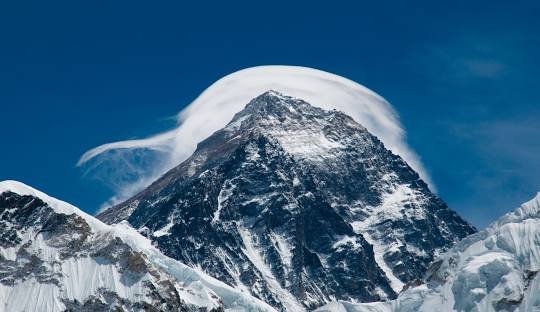
Everest
1. Everest Base Camp Trek
Altitude reaches up to 5,364m.
Symptoms often appear around Namche, Tengboche, or Dingboche.
2. Annapurna Circuit (Thorong La Pass – 5,416m)
One of the fastest altitude gains in Nepal.
3. Manaslu Circuit Trek
Larke Pass (5,160m) is a high-risk zone.
4. Langtang Valley & Gosaikunda
Quick altitude jump above 4,000m.
5. Mardi Himal
Steep and fast elevation gain high AMS risk.
Trekkers in these regions must follow Altitude Sickness in Nepal Safety Tips carefully.
Emergency Treatment for Altitude Sickness
If symptoms worsen, act quickly:
Step 1: Stop Climbing Immediately
Rest and assess symptoms.
Step 2: Descend Quickly
At least 500–1,000 meters.
Step 3: Provide Oxygen
Carry a small portable oxygen cylinder if possible.
Step 4: Use a Gamow Bag (Hyperbaric Chamber)
Some trekking companies carry this device to simulate lower altitude.
Step 5: Call for Helicopter Rescue
Nepal’s trekking regions have reliable emergency evacuation services.
How to Prepare Before Trekking in Nepal
Preparation is the best protection against Altitude Sickness in Nepal.
1. Train for 2–4 Weeks
Improve stamina, walking endurance, and leg strength.
2. Practice Hiking With a Backpack
Simulate trekking conditions.
3. Learn to Control Your Pace
Do not walk too fast.
4. Sleep Well Before the Trek Begins
Fatigue increases AMS risk.
5. Bring Proper Gear
Warm clothes, hydration packs, trekking poles, and quality boots.
6. Avoid Overconfidence
Even experienced trekkers can suffer from AMS.
Preventing Altitude Sickness in Nepal: A Step-by-Step Daily Routine
Here’s a sample daily routine to minimize AMS risk:
Morning
Drink warm water
Eat a light breakfast
Walk slowly (no rush)
Take short breaks every 45–60 minutes
During Trek
Sip water regularly
Keep breathing steady
Avoid heavy loads
Stop if headaches or nausea appear
Evening
Eat warm, light meals
Stretch and stay warm
Avoid alcohol
Sleep early
This routine follows the principle of Altitude Sickness in Nepal Safety Tips used by expert guides.
The Himalayas are powerful, majestic, and life-changing. But they demand respect. Many AMS incidents happen simply because trekkers ignore early symptoms or rush the ascent.
If you follow the Altitude Sickness in Nepal Safety Tips shared here, you will dramatically reduce your risk and enjoy one of the greatest adventures of your life.
Remember:
Go slow
Stay hydrated
Rest well
Listen to your body
Never ascend with symptoms
Descend when necessary
With proper preparation, the mountains of Nepal welcome you with unforgettable experiences, panoramic beauty, and moments that stay with you forever.
