Hunting tourism has become a unique form of adventure travel where visitors explore natural landscapes while participating in regulated wildlife hunting experiences. Around the world, several destinations are famous for offering access to the Top Hunting Reserve in the World, where hunting is carefully managed to balance conservation, tourism, and local economic development. These reserves attract hunters, wildlife enthusiasts, and travelers who want to experience nature in remote and untouched environments.
The Top Hunting Reserve in the World is usually located in regions with large wilderness areas, diverse wildlife populations, and strict government regulations. Countries such as South Africa, Namibia, Canada, and the United States are widely recognized for their well-developed hunting tourism industries. These destinations provide professional hunting guides, modern facilities, and carefully managed wildlife habitats that ensure sustainable hunting practices.
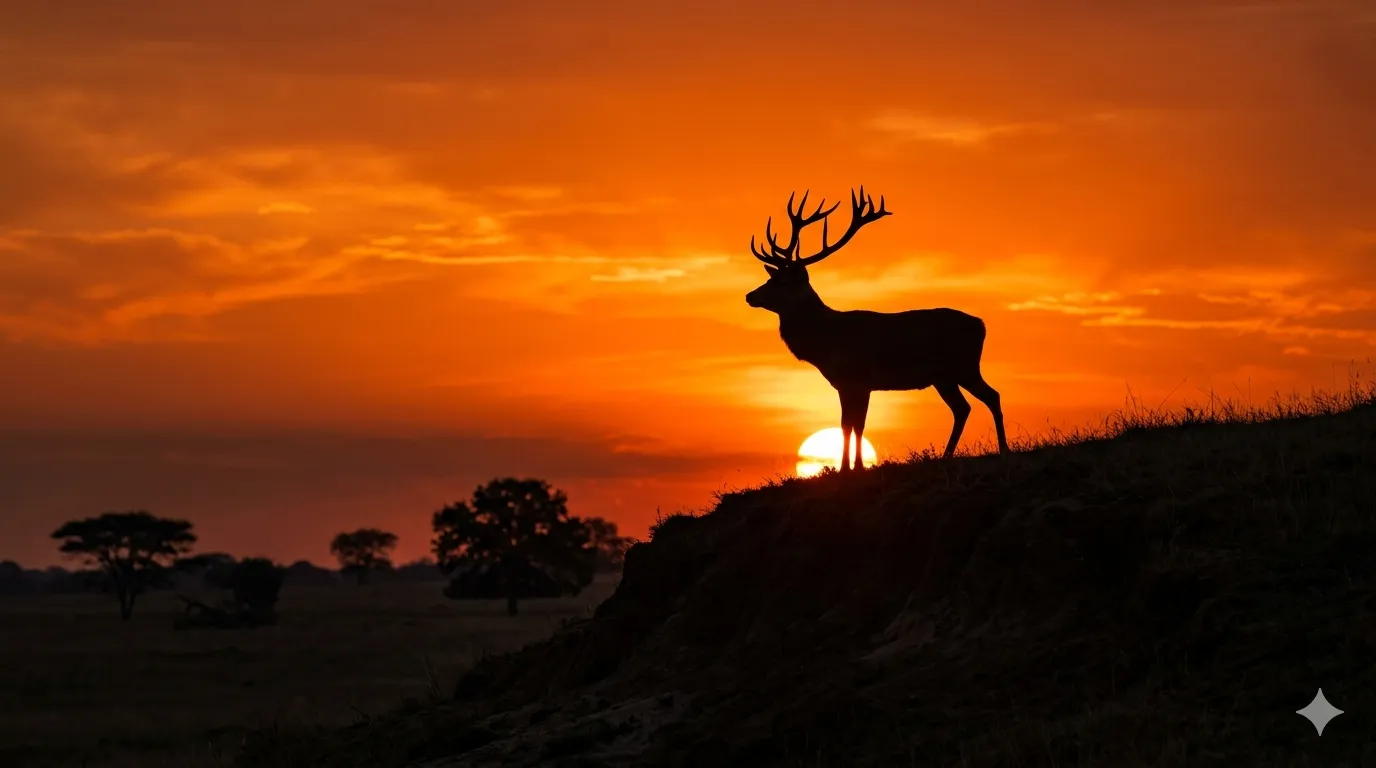
10 Top Hunting Reserve in the World for Hunting Tourism
In Asia, Nepal offers a unique high-altitude hunting experience through the famous Dhorpatan Hunting Reserve, which is the only legal hunting reserve in the country. Located in the western Himalayan region, this reserve allows controlled hunting of species such as Himalayan blue sheep and Himalayan tahr under strict conservation guidelines. Because of its rugged mountain landscape and rare wildlife, many experts consider it among the Top Hunting Reserve in the World for mountain hunting adventures.
Hunting reserves are important not only for tourism but also for wildlife conservation. Many governments use hunting permits and tourism revenue to fund habitat protection, anti-poaching programs, and community development projects. This sustainable model ensures that wildlife populations remain healthy while providing economic benefits to local communities.
In this guide, we will explore the Top Hunting Reserve in the World, including famous hunting destinations, wildlife species, hunting regulations, and the unique hunting experience offered in Nepal and other parts of the world.
1. Dhorpatan Hunting Reserve – Nepal
One of the most unique entries on the list of the Top Hunting Reserve in the World is located in the Himalayan region of Nepal. Dhorpatan Hunting Reserve is the only legal hunting area in the country and offers high-altitude hunting experiences.
The reserve covers rugged mountain terrain with elevations ranging from 2,850 meters to over 5,500 meters. Hunters visit this reserve to pursue species such as Himalayan blue sheep, Himalayan tahr, and wild boar.
The reserve is managed by the Department of National Parks and Wildlife Conservation, which sets annual quotas and permit regulations.
Because of its rare Himalayan wildlife and dramatic landscapes, this location is widely regarded as one of the Top Hunting Reserve in the World for mountain hunting adventures.
2. Kruger Region Private Hunting Reserves – South Africa
The private hunting reserves surrounding Kruger National Park are often listed among the Top Hunting Reserve in the World. These reserves provide classic African safari hunting experiences.
Hunters visiting these areas can pursue animals such as antelope, kudu, wildebeest, buffalo, and other plains game species.
The landscape consists of savannas, grasslands, and bushveld ecosystems that support large wildlife populations. Many professional safari outfitters operate in this region, offering guided hunting packages and luxury lodge experiences.
South Africa’s strict wildlife management policies ensure that hunting activities remain sustainable and contribute to conservation efforts.
3. Etosha Hunting Concessions – Namibia
The regions surrounding Etosha National Park are considered among the Top Hunting Reserve in the World because of their strong conservation programs.
Namibia has become famous for its community-based wildlife management system, where local communities benefit from regulated hunting tourism.
Hunters visiting Namibia often pursue animals such as oryx, springbok, zebra, and kudu. These species thrive in the country’s open desert landscapes and savanna environments.
The combination of sustainable conservation and unique landscapes has helped Namibia establish itself as one of the Top Hunting Reserve in the World destinations.
4. Yukon Wilderness Hunting Areas – Canada
The remote wilderness of the Yukon offers some of the most authentic hunting experiences in North America.
Large areas of untouched forests, mountains, and tundra create ideal habitats for wildlife species such as moose, caribou, and grizzly bear.
Because of its vast landscapes and low population density, the Yukon is often regarded as one of the Top Hunting Reserve in the World for wilderness hunting.
Guided expeditions allow hunters to travel deep into remote areas where wildlife populations remain strong and natural habitats are protected.
5. Alaska Hunting Areas – United States
The wilderness of Alaska in the United States is one of the most famous hunting destinations in the world.
Alaska’s rugged landscapes include mountains, forests, and tundra ecosystems that support animals such as moose, caribou, black bear, and Dall sheep.
Because of its vast protected areas and strict wildlife regulations, Alaska is widely considered among the Top Hunting Reserve in the World.
Hunters visiting this region often experience multi-day wilderness expeditions that require travel by bush plane or boat.
6. Fiordland Hunting Areas – New Zealand
The dramatic mountain landscapes of Fiordland National Park make New Zealand a popular alpine hunting destination.
Hunters visit this region to pursue animals such as red deer, Himalayan tahr, and chamois.
Because of its steep mountains, glaciers, and remote valleys, Fiordland offers one of the most challenging environments among the Top Hunting Reserve in the World.
The region attracts experienced hunters who enjoy combining adventure trekking with hunting activities.
7. Patagonia Hunting Ranches – Argentina
The remote landscapes of Patagonia are famous for big-game hunting and stunning scenery.
Hunters visiting this region can pursue species such as red stag, wild boar, and mountain lions.
Patagonia’s open grasslands and mountain ranges create ideal habitats for wildlife populations, making it one of the Top Hunting Reserve in the World for South American hunting tourism.
Many hunting lodges offer guided experiences combined with luxury accommodation.
8. Siberian Hunting Grounds – Russia
The vast wilderness of Siberia is home to some of the most remote hunting areas on Earth. These forests and mountain regions support wildlife such as brown bear, elk, and Siberian roe deer.
Because of its enormous land area and rich ecosystems, Siberia is sometimes listed among the Top Hunting Reserve in the World for extreme wilderness hunting experiences.
9. Carpathian Mountains Hunting Areas – Romania
The forests of the Carpathian Mountains in Romania offer traditional European hunting experiences.
This region is famous for species such as red deer, wild boar, and brown bear.
Romania’s hunting traditions date back centuries, and the Carpathian region continues to attract international hunters seeking classic European hunting culture.
Because of its biodiversity and scenic mountain forests, the area is considered one of the Top Hunting Reserve in the World.
10. Selous Game Reserve Hunting Areas – Tanzania
The vast wilderness of Selous Game Reserve in Tanzania is one of Africa’s largest protected areas.
The reserve supports animals such as buffalo, antelope, and other plains game species.
Safari hunting in Tanzania follows strict conservation rules to ensure wildlife populations remain stable.
Because of its enormous size and biodiversity, Selous is frequently included in lists of the Top Hunting Reserve in the World.
Animals You Can Hunt in Nepal & Global Hunting Species
Hunting enthusiasts searching for the Top Hunting Reserve in the World often want detailed information about the species they can pursue. Understanding wildlife species, habitats, and legal hunting regulations is essential for a safe and successful expedition. Here’s a breakdown of the animals available in Nepal and other global hunting reserves.
Hunting Animals in Nepal (Dhorpatan Hunting Reserve)
Nepal’s Dhorpatan Hunting Reserve is the only legal hunting reserve in the country. Located in the Himalayan region, it allows hunting under strict government regulations. Here are the main species hunted in this reserve:
| Animal Species | Common Name | Hunting Season | Permit & Approximate Cost (USD) | Notes |
|---|---|---|---|---|
| Naur | Himalayan Blue Sheep | Falgun–Baisakh | $10,000 – $20,000 | High-altitude hunting; iconic Himalayan species |
| Jharal | Himalayan Tahr | Falgun–Baisakh | $5,000 – $8,000 | Agile mountain species; requires expert tracking |
| Wild Boar | Wild Pig | Falgun–Baisakh | $3,000 – $5,000 | Common species in Himalayan forests |
Hunters must apply for permits through the Department of National Parks and Wildlife Conservation. Only limited permits are available each season, making it one of the exclusive Top Hunting Reserve in the World experiences.
Global Hunting Animals in the Top Hunting Reserve in the World
Hunting species vary by continent. The following table highlights the most sought-after species in globally recognized hunting reserves:
| Country / Reserve | Animal Species | Type of Hunting | Notes |
|---|---|---|---|
| South Africa / Kruger Region | Kudu, Antelope, Buffalo | Safari hunting | Classic African plains game; regulated quotas |
| Namibia / Etosha Hunting Areas | Oryx, Springbok, Zebra | Trophy hunting | Community-based conservation; sustainable hunting |
| Canada / Yukon | Moose, Caribou, Bear | Wilderness hunting | Remote areas; requires guided expeditions |
| USA / Alaska | Moose, Dall Sheep, Elk | Wilderness hunting | Multi-day trips; bush plane required |
| New Zealand / Fiordland | Red Deer, Himalayan Tahr, Chamois | Mountain hunting | Alpine terrain; challenging expeditions |
| Argentina / Patagonia | Red Stag, Wild Boar | Mountain & grassland hunting | Lodge-based hunting; scenic landscapes |
| Russia / Siberia | Brown Bear, Roe Deer | Extreme wilderness | Remote locations; for experienced hunters |
| Romania / Carpathians | Red Deer, Wild Boar, Brown Bear | Forest hunting | European hunting traditions; cultural experience |
| Tanzania / Selous Game Reserve | Buffalo, Antelope | Safari hunting | Large conservation areas; part of sustainable tourism |
These destinations are considered the Top Hunting Reserve in the World because they combine exceptional wildlife diversity, sustainable management, and adventure tourism opportunities. Hunters can plan trips based on species preference, season, and hunting difficulty.
Tips for Ethical Hunting in the Top Hunting Reserve in the World
- Follow local laws and permit requirements – Illegal hunting is prohibited and punishable by law.
- Respect conservation rules – Hunting quotas help maintain healthy wildlife populations.
- Hire professional guides – Guides ensure safety, legal compliance, and successful hunts.
- Choose sustainable species – Avoid endangered species to maintain ecological balance.
- Support local communities – Many hunting reserves use tourism revenue for local development.
Nepal’s Dhorpatan Hunting Reserve stands out among the Top Hunting Reserve in the World for high-altitude hunting and rare Himalayan species. Similarly, African, North American, and European reserves offer unique experiences that appeal to hunters seeking global adventure.
Hunting tourism continues to grow in many parts of the world, especially in destinations that offer well-managed wildlife habitats and strict conservation policies. Many travelers today search for the Top Hunting Reserve in the Word not only for the thrill of hunting but also to experience nature, wilderness, and traditional outdoor culture. Countries such as South Africa, Namibia, Canada, and the United States are widely known for offering some of the Top Hunting Reserve in the Word, attracting hunters from across the globe each year.
These reserves are designed to balance hunting activities with wildlife protection. Strict quotas, seasonal permits, and professional guides help ensure that wildlife populations remain stable while also supporting local economies. Because of these well-regulated systems, the Top Hunting Reserve in the Word often play an important role in funding conservation programs, supporting local communities, and preserving natural ecosystems.
In Asia, Nepal also offers a unique mountain hunting experience through the famous Dhorpatan Hunting Reserve. As the only legal hunting reserve in the country, it attracts international hunters who want to explore the Himalayan wilderness while participating in carefully controlled hunting expeditions. Because of its high-altitude terrain and rare wildlife species such as the Himalayan blue sheep, it is often considered one of the Top Hunting Reserve in the Word for adventure hunters.
However, hunting tourism should always be practiced responsibly. Sustainable wildlife management, strict government policies, and ethical hunting practices are essential for protecting biodiversity. The Top Hunting Reserve in the Word demonstrate how conservation and tourism can work together when properly managed.
Whether someone is an experienced hunter or simply interested in wildlife tourism, exploring the Top Hunting Reserve in the Word offers a deeper understanding of nature, conservation, and the importance of protecting the planet’s wildlife for future generations.
Faqs About the Top Hunting Reserve in the World
1. What is the Top Hunting Reserve in the World?
The Top Hunting Reserve in the World refers to hunting destinations that combine adventure tourism with well-regulated wildlife conservation. These reserves are usually located in countries with vast wilderness, abundant wildlife, and strong government oversight. Examples include Dhorpatan Hunting Reserve, Kruger National Park, and Etosha National Park.
2. Where is the Top Hunting Reserve in the World located?
The Top Hunting Reserve can be found on multiple continents. In Asia, Nepal’s Dhorpatan Hunting Reserve is famous for Himalayan mountain hunting. In Africa, South Africa and Namibia host world-renowned safari hunting reserves. North America also offers prime hunting grounds in Canada and Alaska.
3. What animals can be hunted in the Top Hunting Reserve in the World?
The types of animals vary depending on the location:
- Nepal (Dhorpatan Hunting Reserve): Himalayan blue sheep, Himalayan tahr, wild boar
- South Africa/Namibia: Antelope, kudu, buffalo, wildebeest
- Canada/Alaska: Moose, elk, caribou, bear
- New Zealand: Red deer, Himalayan tahr, chamois
All hunting is regulated with strict quotas to ensure sustainability.
4. How much does hunting cost in the Top Hunting Reserve in the World?
Hunting in these reserves is considered luxury tourism. Costs include permit fees, guides, logistics, and accommodation. Examples:
- Dhorpatan, Nepal: $15,000 – $30,000 for a full hunting expedition
- African safari reserves: $5,000 – $25,000 depending on species
- Alaska/Canada: $10,000 – $30,000 depending on duration and target species
Costs reflect the exclusivity, wilderness access, and conservation fees included.
5. Is hunting legal in the Top Hunting Reserve in the World?
Yes, but legality depends on the country and reserve. Hunting is strictly regulated with government-issued permits. For instance:
- Nepal: Legal only in Dhorpatan Hunting Reserve
- South Africa/Namibia: Legal under safari and private hunting concessions
- Canada/USA: Legal in designated wilderness areas with permits
Hunting outside these legal areas is prohibited.
6. How do you get a hunting permit in Nepal?
Hunters must apply through the Department of National Parks and Wildlife Conservation. The process includes:
- Choosing the hunting season
- Selecting species and hunting block
- Participating in a bidding or permit allocation system
- Paying permit and logistical fees
Permits are limited, and only foreign or registered hunters can apply.
7. Why are these reserves considered the Top Hunting Reserve in the World?
They are recognized for:
- Biodiversity: Hosting rare and unique species
- Regulation: Strict rules ensuring conservation
- Wilderness Experience: Remote, pristine landscapes
- Tourism & Economy: Sustainable hunting boosts local communities
- Global Recognition: Featured among top international hunting destinations
8. Which countries are famous for hunting tourism?
Some of the most famous countries for hunting tourism include:
- Africa: South Africa, Namibia, Tanzania
- North America: Canada, USA (Alaska, Rocky Mountains)
- Asia: Nepal (Himalayan hunting)
- Oceania: New Zealand
- Europe: Romania, Russia (Carpathian Mountains and Siberia)
These countries provide professional guides, legal permits, and high-quality hunting experiences.
9. What is the difference between a hunting reserve and a wildlife reserve?
- Hunting Reserve: Allows controlled hunting under strict regulations; funds often support conservation.
- Wildlife Reserve/National Park: Hunting is strictly prohibited; focuses on preserving biodiversity and ecosystems.
Nepal’s Dhorpatan Hunting Reserve is the only hunting reserve, while other areas like Chitwan National Park are wildlife-only reserves.
