
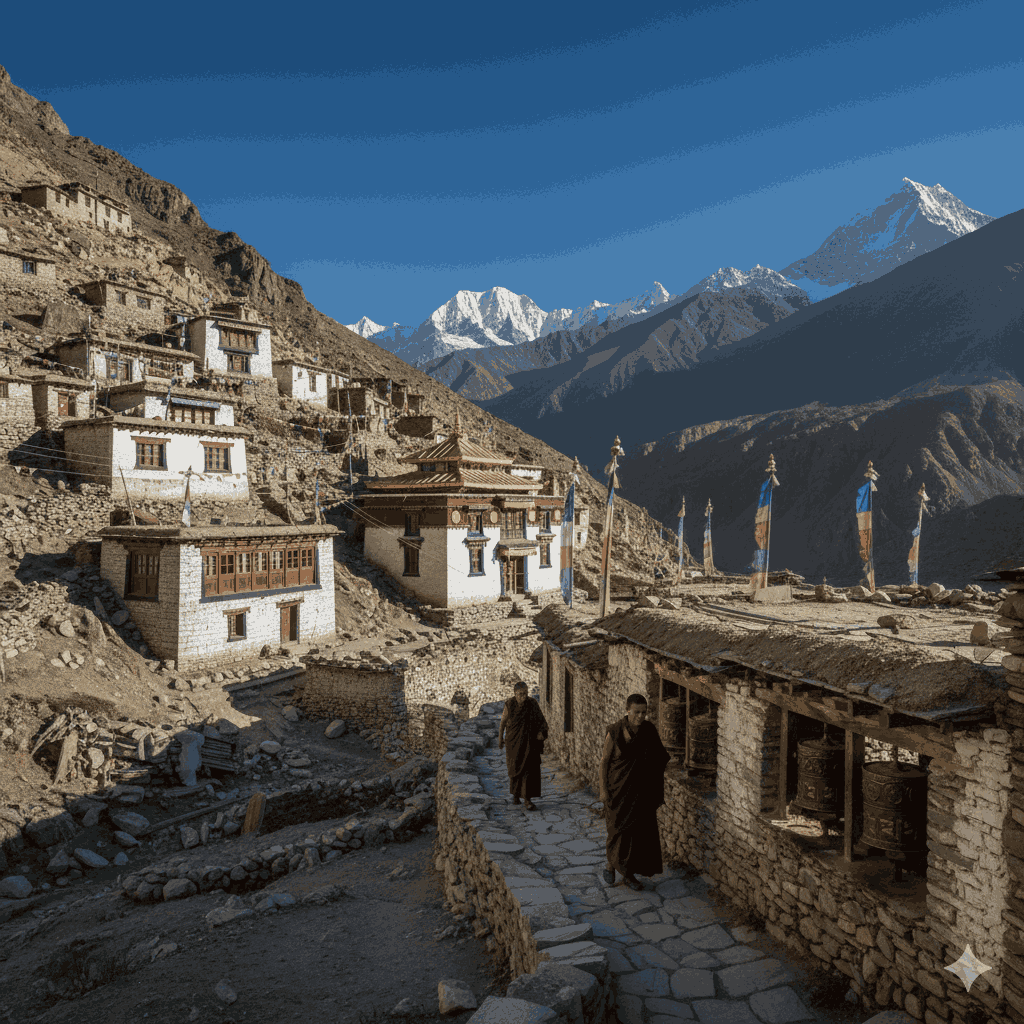
Nepal is home to some of the world’s most spectacular trekking destinations, and the Nar Phu Valley Trek with Kang La Pass & Pokhara Tour is among the most unique adventures in the Himalayas. This journey takes trekkers into one of the most remote and culturally preserved regions of Nepal while also offering the chance to relax in the scenic city of Pokhara after the trek.
Unlike crowded trekking routes such as the Everest Base Camp Trek or Annapurna Base Camp Trek, Nar Phu Valley remains relatively untouched by mass tourism. The region was closed to foreign trekkers until 2003, which helped preserve its traditional Tibetan culture, ancient monasteries, and authentic Himalayan lifestyle.
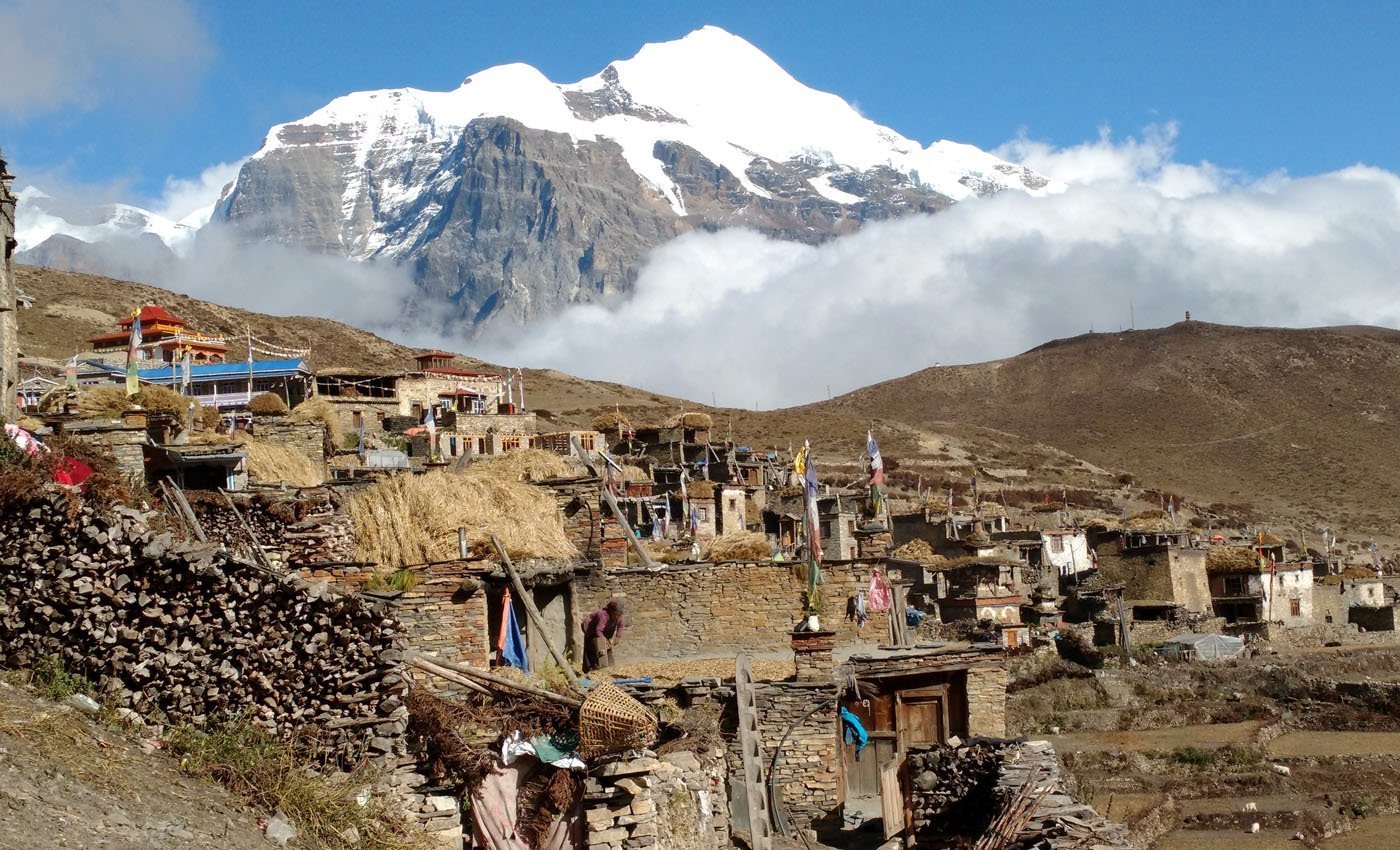
Nar Phu Valley Trek
During the trek, travelers explore isolated villages, dramatic landscapes, and high mountain passes before crossing the spectacular Kang La Pass at 5,306 meters. The trek then connects with the Annapurna Circuit route and eventually leads toward Pokhara, Nepal’s beautiful lakeside city surrounded by snow-capped Himalayan peaks.
Combining adventure trekking with cultural exploration and relaxation makes this journey perfect for travelers who want a deeper Himalayan experience.
Overview of Nar Phu Valley Trek
Nar Phu Valley is located in the northern part of the Annapurna region near the border of Tibet. The valley consists of two main villages—Nar and Phu—which are home to communities that follow centuries-old Tibetan traditions.
Because of its remote location, the trek offers a completely different experience compared to other trekking routes in Nepal. Instead of busy trails filled with trekkers, you will walk through quiet valleys, narrow gorges, ancient monasteries, and high-altitude deserts.
The landscape changes dramatically during the trek. Early days include lush forests and river valleys, while higher sections feature rugged cliffs, alpine meadows, and barren Tibetan-style landscapes.
Trekkers are rewarded with incredible views of several Himalayan peaks, including Annapurna II, Gangapurna, Tilicho Peak, and the Chulu Himal range.
Why Combine Nar Phu Valley Trek with Pokhara Tour?
Adding Pokhara to the itinerary makes the entire journey more balanced and enjoyable. After spending many days trekking in remote Himalayan terrain, Pokhara offers a comfortable and relaxing environment where travelers can unwind.
Pokhara is known as the tourism capital of Nepal and offers a completely different atmosphere compared to the rugged mountains. The city sits beside the peaceful Phewa Lake with breathtaking views of the Annapurna mountain range.
Travelers can enjoy boating on the lake, watching the sunrise over the Himalayas from Sarangkot, visiting waterfalls and caves, or simply relaxing in lakeside cafes and restaurants.
This combination of adventure trekking and scenic relaxation is one of the reasons many trekkers choose the Nar Phu Valley Trek with Kang La Pass & Pokhara Tour.
Major Highlights of the Trek
Remote Himalayan Culture
One of the most fascinating aspects of the Nar Phu Valley Trek is the opportunity to experience traditional Himalayan culture. The villages of Nar and Phu have remained culturally isolated for centuries.
Here you will see stone houses, ancient chortens, prayer wheels, and colorful Buddhist prayer flags fluttering in the wind. The people living in the valley follow Tibetan Buddhist traditions and maintain a simple lifestyle based on farming and livestock.
Visiting local monasteries and interacting with villagers gives trekkers a deeper understanding of Himalayan culture.
Crossing Kang La Pass
The most adventurous part of the trek is crossing Kang La Pass (5,306 meters). This high mountain pass connects Nar village with the popular Annapurna Circuit trail near Ngawal.
The climb to the pass is challenging but extremely rewarding. From the top, trekkers are treated to breathtaking panoramic views of snow-covered peaks including Annapurna II, Gangapurna, Tilicho Peak, and the Chulu Himal range. Standing on the pass surrounded by towering Himalayan mountains is one of the most memorable moments of the trek.
Dramatic Mountain Landscapes
The scenery along the Nar Phu Valley route is incredibly diverse. Trekkers pass through narrow river gorges, alpine forests, high-altitude meadows, and barren mountain deserts.
Unlike the greener Annapurna routes, the Nar Phu Valley features landscapes that resemble the Tibetan plateau, with rugged cliffs, wide valleys, and unique rock formations.
This dramatic scenery makes the trek a paradise for photographers and nature lovers.
Peaceful Trekking Experience
Many popular trekking routes in Nepal are becoming increasingly crowded. Nar Phu Valley, however, still offers a peaceful trekking experience with fewer tourists.
You may walk for hours without meeting another trekking group, allowing you to truly appreciate the silence and beauty of the Himalayas.
For travelers seeking a remote and authentic trekking adventure, Nar Phu Valley is one of the best options in Nepal.
Nar Phu Valley Trek with Kang La Pass & Pokhara Tour Itinerary
Below is a typical 12-day itinerary for the trek and tour.
Day 1 – Arrival in Kathmandu
Your journey begins in Kathmandu, the capital city of Nepal. After arriving at Tribhuvan International Airport, you will be transferred to your hotel.
You can spend the rest of the day exploring the lively streets of Thamel, visiting local markets, and preparing for the trek.
Day 2 – Drive from Kathmandu to Besisahar
The adventure begins with a scenic drive from Kathmandu to Besisahar. The journey passes through rolling hills, river valleys, and traditional villages.
Besisahar is the gateway to the Annapurna region and the starting point of many treks.
Day 3 – Drive to Koto and Start Trek
From Besisahar, you continue driving to Koto, a small village on the Annapurna Circuit route. From here, the trail leaves the main route and enters the restricted Nar Phu Valley.
The trek officially begins as you follow a path along the Nar Phu Khola river.
Day 4 – Trek to Meta
The trail climbs through narrow canyons and pine forests before reaching Meta village. Along the way, you may spot Himalayan wildlife such as blue sheep and mountain goats.
Meta offers stunning views of the surrounding mountains.
Day 5 – Trek to Phu Village
This is one of the most scenic days of the trek. The trail passes through high desert landscapes and ancient chortens before reaching the beautiful village of Phu.
Phu is a traditional Tibetan-style village surrounded by dramatic cliffs and snow-capped peaks.
Day 6 – Explore Phu Village
A rest day in Phu village allows trekkers to explore local monasteries and experience village life.
You can visit Tashi Lhakhang Monastery, one of the oldest monasteries in the region.
Day 7 – Trek to Nar Village
The trail descends before climbing again toward Nar village. Nar is another traditional Himalayan settlement with beautiful views of surrounding peaks.
Day 8 – Cross Kang La Pass and Trek to Ngawal
This is the most challenging and rewarding day of the trek.
After an early morning start, trekkers climb to Kang La Pass at 5,306 meters. From the top, breathtaking views of the Annapurna mountains await.
After enjoying the scenery, the trail descends to Ngawal village on the Annapurna Circuit.
Day 9 – Trek to Manang
The trek continues toward Manang, a beautiful village surrounded by snow-covered peaks.
Manang is known for its bakeries, mountain views, and relaxed atmosphere.
Day 10 – Drive to Pokhara
After finishing the trekking portion, you travel to Pokhara by road or flight.
Pokhara offers a completely different environment with peaceful lakes and beautiful Himalayan views.
Day 11 – Explore Pokhara
You can explore several attractions in Pokhara, including:
- Phewa Lake
- Davis Falls
- Gupteshwor Cave
- World Peace Pagoda
- Sarangkot sunrise viewpoint
Adventure activities such as paragliding and boating are also popular here.
Day 12 – Return to Kathmandu
After enjoying Pokhara, you return to Kathmandu by flight or scenic drive.
Your incredible Himalayan journey comes to an end.
Best Time for Nar Phu Valley Trek
The best seasons for the trek are spring and autumn.
Spring (March – May)
Spring offers warm temperatures, clear skies, and blooming rhododendron forests. This season is ideal for photography and mountain views.
Autumn (September – November)
Autumn is the most popular trekking season in Nepal. The weather is stable, and mountain visibility is excellent.
Winter (December – February)
Winter trekking is possible but extremely cold, especially at higher elevations.
Monsoon (June – August)
Heavy rain and landslides make trekking difficult during the monsoon season.
Permits Required for Nar Phu Valley Trek
Since Nar Phu Valley is a restricted area, special permits are required.
Trekkers need:
- Nar Phu Restricted Area Permit
- Annapurna Conservation Area Permit (ACAP)
- TIMS Card
Trekkers must travel with a registered trekking agency and licensed guide.
Difficulty Level of the Trek
The Nar Phu Valley Trek with Kang La Pass is considered moderate to challenging.
Key challenges include:
- High altitude above 5,000 meters
- Long trekking days
- Remote terrain with limited facilities
Trekkers should have good physical fitness and some previous trekking experience.
Accommodation and Food
Accommodation during the trek is mostly basic teahouses run by local families.
Rooms are simple but comfortable, usually with twin beds and shared bathrooms.
Meals include a mix of Nepali and international dishes such as:
- Dal Bhat
- Noodles
- Fried rice
- Tibetan bread
- Soups and vegetables
Dal Bhat is the most popular trekking meal because it provides energy and unlimited refills.
Cost of Nar Phu Valley Trek with Pokhara Tour
The cost of the trek varies depending on the trekking company, group size, and services included.
Average price range:
- Budget packages: $1,200 – $1,500
- Standard packages: $1,600 – $2,000
- Luxury trekking packages: $2,200+
The price usually includes permits, guide services, accommodation, meals during the trek, and transportation.
Packing List for the Trek
Essential items include:
- Warm trekking jacket
- Waterproof clothing
- Hiking boots
- Sleeping bag
- Trekking poles
- Sunglasses
- Sunscreen
- Water bottles
- Headlamp
Packing properly is important because the region is remote and weather conditions can change quickly.
Why Nar Phu Valley is One of Nepal’s Hidden Gems
Nar Phu Valley remains one of Nepal’s least explored trekking regions. The combination of remote culture, dramatic mountain scenery, and challenging trekking routes makes it a unique adventure.
For travelers who want to experience the Himalayas beyond the typical trekking routes, Nar Phu Valley offers an unforgettable journey.
When combined with the beauty and relaxation of Pokhara, this trek becomes one of the most rewarding travel experiences in Nepal.
FAQs
How long does the Nar Phu Valley Trek take?
The trek usually takes 10–12 days, depending on the itinerary.
What is the highest point of the trek?
The highest point is Kang La Pass at 5,306 meters.
Do I need a guide for Nar Phu Valley?
Yes, trekking with a licensed guide is mandatory because the region is restricted.
Is Nar Phu Valley Trek crowded?
No, it is one of the least crowded trekking routes in the Annapurna region.
Can beginners do this trek?
Beginners with good fitness can attempt it, but prior trekking experience is recommended.
