
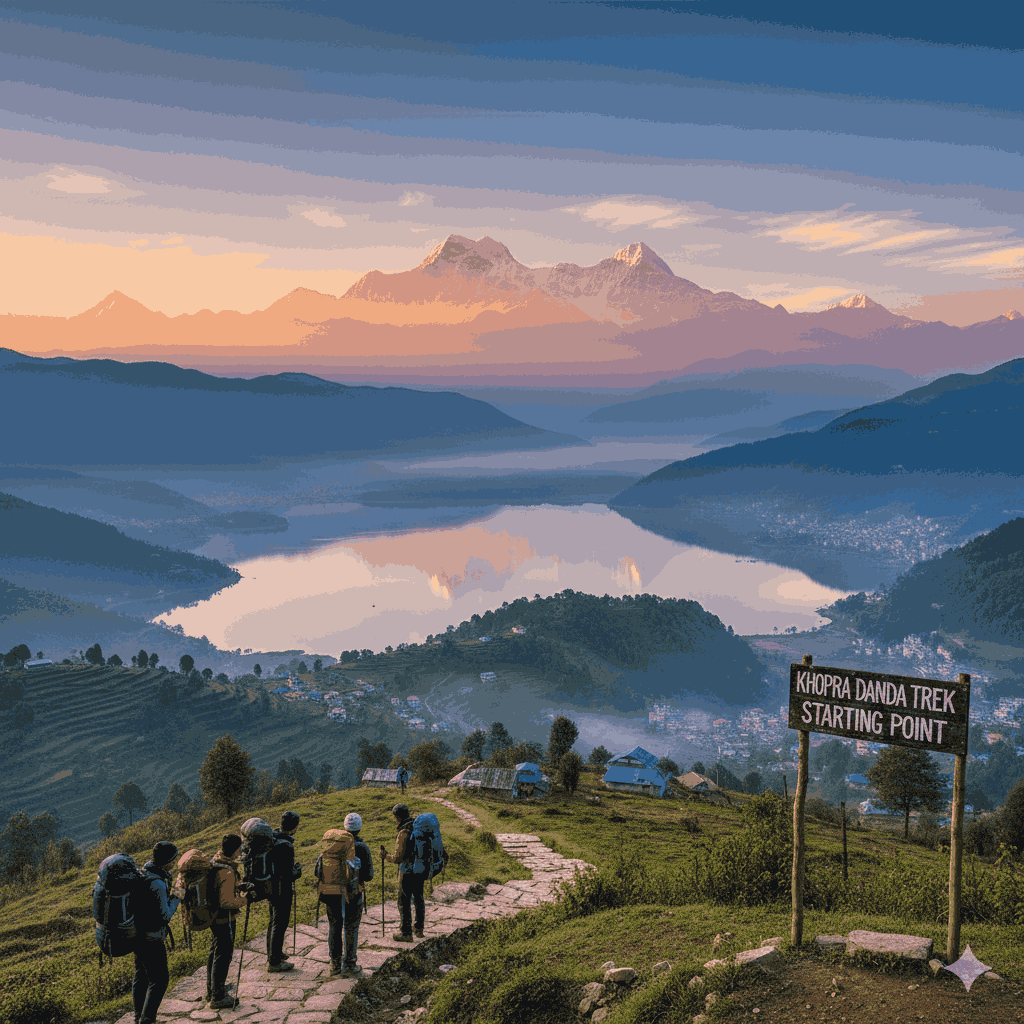
View of Pokhara valley with Himalayan mountains during the start of the Khopra Danda Trek.
Are you an avid trekker yearning for an off-the-beaten-path adventure in the Himalayas? The Khopra Danda Trek offers a captivating journey into the pristine wilderness of Nepal’s Annapurna region. Far from the crowds of Everest Base Camp or Poon Hill, the Khopra Danda Trek provides a serene, authentic experience with spectacular mountain vistas, vibrant local culture, and untouched natural beauty.
In this comprehensive guide, we will explore every aspect of the Khopra Danda Trek, including detailed routes, best seasons, travel tips, cultural insights, flora and fauna, accommodations, and more. Whether you are a seasoned trekker or a passionate traveler seeking an unforgettable Himalayan adventure, this blog will prepare you thoroughly to embark on the Khopra Danda Trek.
Why the Khopra Danda Trek Is a Must-Do for Trekking Enthusiasts
The Khopra Danda Trek is rapidly gaining popularity among trekking enthusiasts who are looking for something more than just the typical routes. This trek takes you through remote villages, lush forests, and breathtaking viewpoints that are less frequented and more peaceful than the more popular Annapurna circuits.
What makes the Khopra Danda Trek unique? Here are some compelling reasons:
- Unmatched Scenic Beauty: The trek offers sweeping panoramic views of the Annapurna range, Dhaulagiri, Machapuchare, and other Himalayan giants. The sunrise and sunset views from Khopra Danda are truly awe-inspiring.
- Authentic Cultural Experience: Trekking through villages like Ghandruk, Swanta, and Chistibung allows you to immerse yourself in local Gurung, Thakali, and Magar cultures.
- Visit Sacred Sites: Khayer Lake, a sacred mountain lake, is a highlight of the trek. It is revered by local communities and offers spiritual solace along with stunning vistas.
- Rich Biodiversity: The trail passes through lush rhododendron forests, bamboo groves, and alpine meadows, home to Himalayan monals, pheasants, deer, and sometimes elusive wildlife.
- Peace and Tranquility: Unlike heavily trafficked routes, the Khopra Danda Trek remains relatively untouched, offering a peaceful escape into nature.
If you want to explore more trekking options in Nepal, visit our detailed guide on Nepal Trekking Adventures.
The Complete Khopra Danda Trek Route and Detailed Itinerary
The Khopra Danda Trek typically lasts between 9 and 12 days, depending on your pace, acclimatization needs, and side trips. Here’s a detailed itinerary that covers the essentials:
Day 1: Pokhara to Nayapul and Trek to Ghandruk
Starting from Pokhara, you drive to Nayapul, the gateway to the Annapurna region. From Nayapul, you trek through terraced fields and lush forests to reach Ghandruk, a beautiful Gurung village renowned for its traditional architecture and magnificent mountain views.
- Highlights: Teahouse accommodation, Gurung culture, panoramic Annapurna views.
- Internal link: Learn more about Ghandruk Trek.
Day 2: Ghandruk to Tadapani
After breakfast, you trek through dense rhododendron and oak forests to reach Tadapani. The trail is steep but rewarding, offering glimpses of Annapurna South and Machapuchare.
- Highlights: Forest walk, mountain vistas, local village life.
- Tips: Carry warm clothing as temperatures drop at higher elevations.

Trekker walking through blooming rhododendron forest during the Khopra Danda Trek.
Day 3: Tadapani to Dobhan or Swanta Village
This day involves a longer trek through forests and terraced fields, passing through charming villages where you can experience authentic Nepalese rural life. Swanta Village is a quieter alternative to Dobhan and offers excellent cultural immersion.
- Highlights: Village hospitality, local traditions, scenic landscapes.
Day 4: Trek to Khopra Danda Base Camp
Today, the trail ascends towards Khopra Danda, passing through rhododendron groves and bamboo forests. The final ascent is steep but offers rewarding views. Your destination, Khopra Danda, is a peaceful ridge with spectacular sunset vistas.
- Highlights: Forest walk, mountain views, tranquil environment.
Day 5: Khopra Danda to Khayer Lake and Return
Visit Khayer Lake, a sacred mountain lake believed to be home to spirits. The trek to the lake provides stunning views of Dhaulagiri and Annapurna. The lake is a spiritual hub, and its reflection of the surrounding mountains is mesmerizing.
- Highlights: Sacred site, mountain reflections, panoramic vistas.
Day 6: Khopra Danda to Chistibung
Descending from Khopra Danda, you trek through forests and terraced fields to reach Chistibung, a remote village where traditional lifestyles continue unchanged.
- Highlights: Village life, forest scenery, and local cuisine.
Day 7: Chistibung to Poon Hill via Ghorepani
From Chistibung, trek to Ghorepani, a popular stopover point. Wake early to hike Poon Hill for sunrise, revealing a spectacular view of the Himalayas, including Annapurna I, Dhaulagiri, and Machapuchare.
- Highlights: Sunrise over the Himalayas, panoramic vistas, cultural experience.
Day 8: Poon Hill to Pokhara
Descend from Ghorepani, passing through rhododendron forests, villages, and fields, back to Pokhara. Reflect on your journey through the Himalayas and enjoy the city’s lakeside ambiance.
- Highlights: Scenic descent, leisure in Pokhara, lakeside relaxation.
Best Seasons to Trek the Khopra Danda Trek
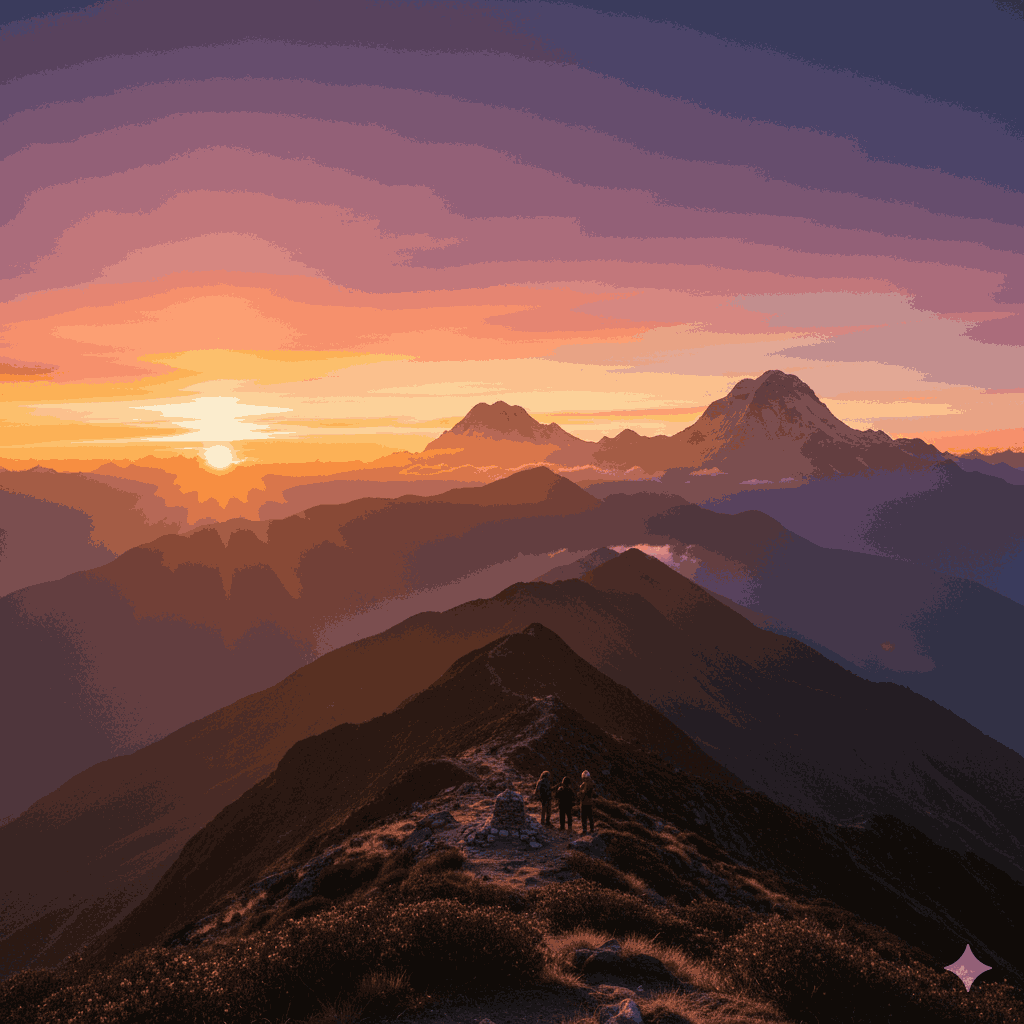
Sunset over the Himalayas from Khopra Danda with panoramic mountain views.
Timing your trek is crucial to maximizing your experience. The optimal seasons are:
- Spring (March to May): Rhododendrons bloom in stunning reds and pinks, and the weather is generally clear.
- Autumn (September to November): Post-monsoon clarity offers crisp air, stable weather, and excellent mountain views.
Avoid the monsoon months (June to August), which bring heavy rains and increased risk of landslides. Winter (December to February) can be cold, especially at higher elevations, but offers snow-covered landscapes and fewer trekkers.
For detailed weather info, visit Nepal Climate Guide.
Essential Tips for a Safe and Enjoyable Khopra Danda
Trek
Proper preparation is key to a successful trek. Here are some vital tips:
- Permits: Secure your TIMS Card and Annapurna Conservation Area Permit (ACAP) before your trek.
- Physical Fitness: Prepare with cardio and strength training; some days involve steep ascents.
- Packing Checklist: Layered clothing, sturdy trekking shoes, sleeping bag, flashlight, personal medications, and sun protection.
- Altitude Sickness: Ascend gradually, stay hydrated, and listen to your body.
- Guides and Porters: Hiring local guides enriches your experience and supports local communities.
- Environmental Responsibility: Carry out all waste, avoid disturbing wildlife, and respect local customs.
For more safety and packing tips, see Nepal Trekking Safety Tips.
Dive Into Local Culture and Cuisine
The villages along the Khopra Danda Trek are rich in culture. The Gurung and Thakali communities have unique traditions, clothing, and festivals. Engage with villagers, learn about their lifestyle, and participate in traditional dances if invited.
Nepalese cuisine is hearty and flavorful. Try Dal Bhat, momos, gundruk (fermented leafy greens), and local teas. Many teahouses serve delicious homemade meals—perfect after a day of trekking.
Cultural tip: Always show respect for local customs, especially when visiting religious sites or monasteries.
Flora, Fauna, and Natural Beauty
The trail’s biodiversity is remarkable. Rhododendrons bloom vibrantly during spring, creating a kaleidoscope of colors. You may spot Himalayan monals, pheasants, deer, and, with luck, elusive wildlife like the Himalayan black bear.
The forests are also home to medicinal plants and orchids. Birdwatchers will be delighted by the variety of avian species.
Accommodation and Facilities Along the Route
Teahouses and guesthouses along the Khopra Danda Trek provide basic but comfortable lodging, including beds, hot water (sometimes limited), and simple meals. During peak seasons, pre-booking is recommended.
Facilities vary, but the focus remains on warm hospitality and authentic experiences.
For accommodation options, see Nepal Trekking Accommodation Guide.
Safety, Health, and Environmental Responsibility
- Altitude Sickness: Recognize symptoms and descend if necessary.
- Weather Changes: Always check forecasts.
- First Aid: Carry a basic kit, including altitude sickness medication.
- Environmental Care: Carry trash back and avoid disturbing wildlife.
Why the Khopra Danda Trek Is the Best Choice for Adventurers
If your goal is to find an untouched trail that combines natural beauty, cultural richness, and peaceful solitude, the Khopra Danda Trek is the perfect choice. It offers the best of Nepal’s Himalayas without the crowds, giving you a genuine connection with nature and local life.
Related Trekking Routes in Nepal
Looking for more adventures? Consider these options:
Each trek offers a unique experience, but the Khopra Danda Trek remains one of the most rewarding, lesser-known journeys.
Nepal Tourism Board: https://nepal.travel
Lonely Planet Nepal Guide: https://www.lonelyplanet.com/nepal
Nepal Mountain Guides: https://www.nepalmountainguides.com
Frequently Asked Questions About the Khopra Danda Trek
1. What is the difficulty level of the Khopra Danda Trek?
The Khopra Danda Trek is considered moderate to challenging. It involves steep ascents, altitude changes, and long walking days, but with proper preparation, most trekkers with average fitness levels can complete it. It’s advisable to do some cardio and strength training beforehand and to trek at a steady pace to acclimatize well to the altitude.
2. How long does the Khopra Danda Trek take?
Typically, the Khopra Danda Trek lasts around 9 to 12 days, depending on your itinerary, acclimatization schedule, and side trips like visiting Khayer Lake and Poon Hill.
3. Is the Khopra Danda Trek suitable for beginners?
While it can be undertaken by most trekkers with moderate fitness, beginners should prepare physically and consider hiring a guide or porter for assistance. The trek’s remote nature and altitude changes require some experience or good preparation.
4. What permits are required for the Khopra Danda Trek?
You need to obtain an Annapurna Conservation Area Permit (ACAP) and a Trekkers’ Information Management System (TIMS) card. These permits can be arranged through a trekking agency or at official permit offices in Nepal.
5. What is the best time to do the Khopra Danda Trek?
The optimal seasons are spring (March to May) and autumn (September to November). During these periods, the weather is stable, and mountain views are at their best. Avoid monsoon months due to rains and winter if you prefer milder conditions.
6. What kind of accommodation is available along the Khopra Danda Trek?
Most teahouses and guesthouses along the trail offer basic but comfortable lodging, with beds, hot water (sometimes limited), and simple meals. During peak seasons, it’s recommended to book in advance.
7. How high does the Khopra Danda Trek take you?
The highest point on the trek is Khopra Danda itself, at approximately 3,660 meters (12,008 feet). Visiting Khayer Lake involves a slightly lower altitude but still requires acclimatization.
8. Is there any risk of altitude sickness?
Yes, altitude sickness is possible if you ascend too quickly without proper acclimatization. To minimize risks, trek gradually, stay hydrated, and listen to your body. If symptoms appear, descend to a lower altitude immediately.
9. Can I do the Khopra Danda Trek without a guide?
While it’s possible, hiring a guide is highly recommended. Guides help navigate remote areas, ensure safety, and enrich your cultural experience. They also assist in obtaining permits and managing logistics.
10. What should I pack for the Khopra Danda Trek?
Pack layered clothing, sturdy trekking shoes, a sleeping bag, a water bottle, personal medications, sun protection, and a camera. The weather can change rapidly, so be prepared for both sun and cold.
11. Is the Khopra Danda Trek family-friendly?
It depends on the age and fitness level of your family members. Generally, it’s suitable for older children and teenagers who are physically prepared. Always consult with a trekking agency for safety considerations.
12. How is the local culture along the Khopra Danda Trek?
You’ll encounter Gurung, Thakali, and Magar communities, each with unique traditions, festivals, and cuisine. Engaging with locals provides a rich cultural experience that adds depth to your trekking adventure.
Embarking on the Khopra Danda Trek means immersing yourself in Nepal’s pristine wilderness, discovering hidden villages, and witnessing some of the most breathtaking views in the Himalayas. It’s a journey that will challenge you physically, inspire you spiritually, and leave you with unforgettable memories.
Start planning your adventure today, and let the serenity of the Himalayas transform your perspective. The Khopra Danda Trek awaits, ready to reveal its secrets to those seeking authentic Himalayan beauty.
