For adventure travelers and trekking enthusiasts, two destinations often top the bucket list: the Everest Base Camp Trek in Nepal and the climb to Mount Kilimanjaro in Tanzania. Both adventures offer incredible landscapes, high-altitude challenges, and unforgettable experiences. However, when comparing Everest Base Camp Trek vs Kilimanjaro Trek, travelers often wonder which trek is better suited to their goals, fitness level, and travel expectations.
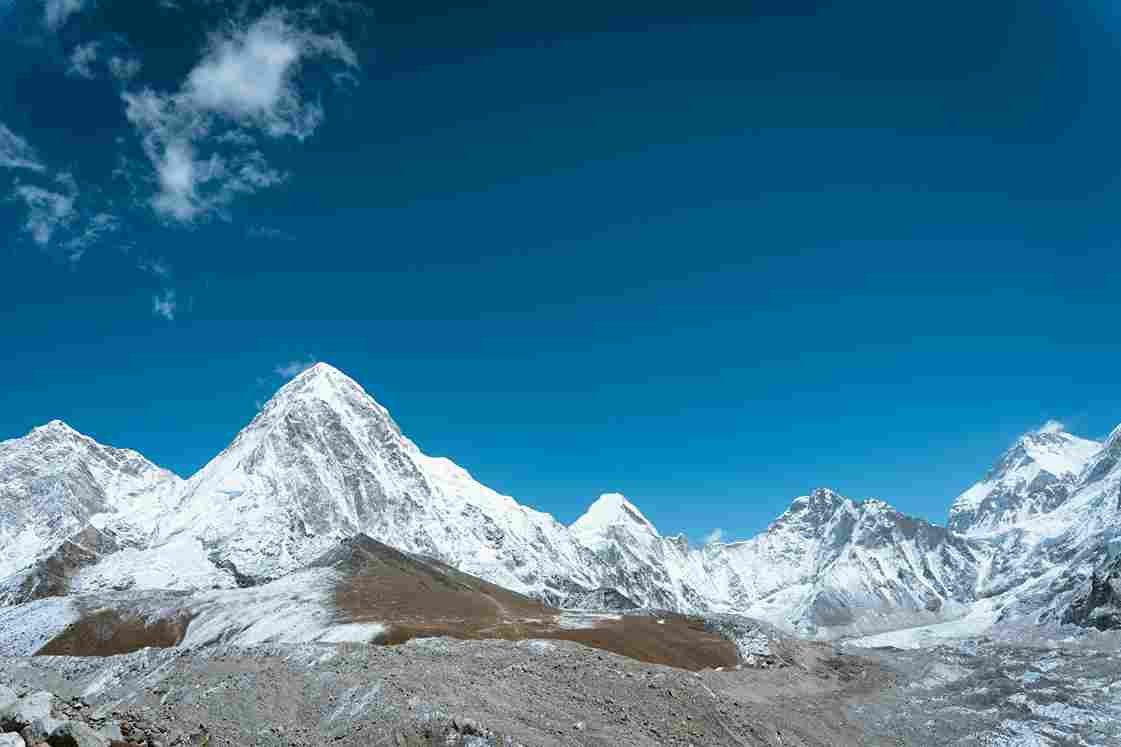
The trek to Everest Base Camp allows trekkers to explore the famous Khumbu region and experience the majestic Himalayan environment surrounding Mount Everest, the tallest mountain on Earth. On the other hand, the Kilimanjaro trek involves climbing Africa’s highest peak, offering a completely different trekking experience through varied ecological zones.
Understanding the differences between Everest Base Camp Trek vs Kilimanjaro Trek can help travelers make an informed decision when choosing their next adventure. From difficulty and scenery to cost and cultural experiences, each trek offers unique advantages and challenges.
In this comprehensive guide, we explore everything you need to know about Everest Base Camp Trek vs Kilimanjaro Trek, including routes, altitude, cost, preparation, and which trek might be the better choice for your travel goals.
Overview of Everest Base Camp Trek vs Kilimanjaro Trek
When discussing Everest Base Camp Trek vs Kilimanjaro Trek, it is important to understand that these adventures differ significantly in purpose and style.
The Everest Base Camp Trek is a long-distance trekking journey that takes travelers deep into the Himalayan mountains of Nepal. Trekkers walk through beautiful valleys, suspension bridges, alpine forests, and traditional Sherpa villages before reaching the famous base camp below Mount Everest. The trek typically takes around 12 to 14 days and focuses on gradual altitude gain, scenic landscapes, and cultural exploration.
During the journey, trekkers pass through the protected landscapes of Sagarmatha National Park, a UNESCO World Heritage Site known for its breathtaking mountain scenery and diverse wildlife.
In contrast, climbing Mount Kilimanjaro is a summit expedition rather than a trekking journey to a specific base camp destination. Kilimanjaro is the highest mountain in Africa, rising to an elevation of 5,895 meters above sea level. Trekkers attempt to reach the summit known as Uhuru Peak through various routes, usually taking 6 to 9 days.
While the Everest trek focuses on exploration and scenery, Kilimanjaro is more about reaching the summit. This fundamental difference is one of the most important considerations in the Everest Base Camp Trek vs Kilimanjaro Trek comparison.
Difficulty Comparison
One of the most common questions travelers ask when comparing Everest Base Camp Trek vs Kilimanjaro Trek is which trek is more difficult.
The Everest Base Camp Trek is physically demanding but generally manageable for trekkers with moderate fitness levels. The route gradually ascends through the Khumbu region, allowing trekkers time to acclimatize to higher altitudes. The highest point reached during the trek is usually Kala Patthar, located at 5,545 meters, which provides spectacular views of Mount Everest.
Trekkers typically walk for 5 to 7 hours per day over uneven terrain, but the slow pace and acclimatization days make the trek achievable for most people who prepare properly.
Climbing Mount Kilimanjaro, however, is often considered more physically demanding. Although the climb does not require technical mountaineering skills, the altitude gain is much faster compared to the Everest Base Camp trek. Trekkers must reach the summit at nearly 5,900 meters, and the final summit push usually takes place overnight in freezing conditions.
Because of the rapid altitude gain, many climbers experience symptoms of altitude sickness during the Kilimanjaro climb. For this reason, some trekkers consider Kilimanjaro to be the tougher challenge in the Everest Base Camp Trek vs Kilimanjaro Trek comparison.
Scenery and Natural Landscapes
Another major factor in the Everest Base Camp Trek vs Kilimanjaro Trek debate is the scenery and landscapes experienced along the journey.
The Everest Base Camp trek offers some of the most spectacular mountain scenery on Earth. Trekkers walk beneath towering Himalayan peaks, cross dramatic suspension bridges, and pass glaciers and icy rivers. Villages such as Namche Bazaar provide incredible views of surrounding mountains and serve as important cultural and trading centers in the Everest region.
One of the highlights of the trek is visiting Tengboche Monastery, the largest monastery in the Khumbu region. From here, trekkers can enjoy breathtaking views of Mount Everest and other Himalayan giants.
The Kilimanjaro climb, meanwhile, offers a unique journey through several ecological zones. Trekkers begin in dense tropical rainforest and gradually ascend through moorlands, alpine desert, and glacial summit landscapes.
Although the landscapes on Kilimanjaro are diverse and fascinating, many trekkers feel that the dramatic mountain scenery of the Himalayas makes the Everest trek more visually spectacular when comparing Everest Base Camp Trek vs Kilimanjaro Trek.
Cost Comparison
Cost is another important factor when deciding between Everest Base Camp Trek vs Kilimanjaro Trek.
The Everest Base Camp Trek is generally more affordable than climbing Kilimanjaro. On average, the trek costs between $1,200 and $2,500, depending on the trekking company, accommodation level, and services included. Budget trekkers can even complete the trek for less by organizing the trip independently.
Climbing Mount Kilimanjaro is typically more expensive due to strict regulations within the national park. Climbers must hire licensed guides, porters, and cooks, and they must pay park fees that can be quite high.
Most Kilimanjaro packages range from $2,000 to $4,000 or more, depending on the route and duration of the climb.
For travelers on a budget, the Everest trek may offer better value, which is an important consideration when comparing Everest Base Camp Trek vs Kilimanjaro Trek.
Cultural Experience
A unique aspect of the Everest Base Camp Trek vs Kilimanjaro Trek comparison is the cultural experience.
During the Everest trek, travelers pass through traditional Sherpa villages where they can interact with local people, learn about Himalayan traditions, and visit Buddhist monasteries. The Sherpa culture is deeply connected to the mountains, and many famous Everest climbers come from this community.
Trekkers can also explore the bustling market town of Namche Bazaar, which serves as the gateway to the Everest region.
In contrast, the Kilimanjaro climb focuses primarily on reaching the summit. While climbers interact with local guides and porters in Tanzania, the cultural immersion is more limited compared to the Everest trek.
For travelers interested in both adventure and cultural discovery, the Everest experience often feels more immersive.
Which Trek Should You Choose?
Choosing between Everest Base Camp Trek vs Kilimanjaro Trek ultimately depends on personal preferences and travel goals.
If you want a trekking adventure filled with Himalayan scenery, cultural encounters, and gradual altitude exploration, trekking to Everest Base Camp may be the perfect choice.
If your goal is to stand on the summit of one of the world’s most famous mountains, climbing Mount Kilimanjaro may be the ultimate adventure.
Both journeys provide unforgettable experiences, incredible landscapes, and the opportunity to challenge yourself in some of the world’s most beautiful mountain environments.
Trekking Routes and Itinerary Comparison
Everest Base Camp Trek Itinerary (12–14 Days)
Day 1: Fly Kathmandu → Lukla, trek to Phakding
Day 2: Phakding → Namche Bazaar
Day 3: Acclimatization day in Namche Bazaar
Day 4: Namche Bazaar → Tengboche
Day 5: Tengboche → Dingboche
Day 6: Acclimatization day in Dingboche
Day 7: Dingboche → Lobuche
Day 8: Lobuche → Gorakshep → Everest Base Camp
Day 9: Gorakshep → Kala Patthar → Pheriche
Days 10–12: Trek back to Lukla
Day 13: Fly Lukla → Kathmandu
Kilimanjaro Trek Itinerary (Machame Route, 7 Days)
Day 1: Arrive Kilimanjaro Base → Machame Gate → Machame Camp
Day 2: Machame Camp → Shira Camp
Day 3: Shira Camp → Barranco Camp
Day 4: Barranco → Karanga → Barafu Camp
Day 5: Summit Day: Barafu → Uhuru Peak → Mweka Camp
Day 6: Mweka Camp → Mweka Gate → Moshi
Day 7: Rest day or departure
Gear and Equipment Comparison
| Gear | Everest Base Camp | Kilimanjaro |
|---|---|---|
| Trekking Boots | Required | Required |
| Warm Jackets | Heavy-duty for cold nights | Warm for summit, lightweight for lower zones |
| Sleeping Bag | Recommended for tea houses | Usually included in guided tours |
| Trekking Poles | Optional | Recommended |
| Gloves/Hats | Required | Required for summit |
Verdict: Everest requires more gear for cold nights; Kilimanjaro focuses on summit preparation.
Pros and Cons
| Feature | Everest Base Camp | Kilimanjaro |
|---|---|---|
| Duration | 12–14 days | 6–9 days |
| Difficulty | Moderate | Harder (rapid ascent) |
| Max Altitude | 5,545 m | 5,895 m |
| Scenery | Iconic Himalayan peaks | Diverse ecological zones |
| Culture | Rich Sherpa experience | Limited cultural exposure |
| Cost | $1,200–$2,500 | $2,000–$4,000 |
Best Season to Trek
| Trek | Best Season |
|---|---|
| Everest Base Camp | Pre-monsoon (Mar–May), Post-monsoon (Sep–Nov) |
| Kilimanjaro | Dry seasons: Jan–Mar, Jun–Oct |
Photography and Scenic Highlights
Everest Base Camp:
Kala Patthar sunrise for Everest views
Suspension bridges, monasteries, glaciers
Kilimanjaro:
Lush rainforest and moorland
Summit panoramas over African plains
FAQs About Everest Base Camp Trek vs Kilimanjaro Trek
Which trek is harder, Everest Base Camp or Kilimanjaro?
Climbing Mount Kilimanjaro is generally considered more physically demanding due to the higher altitude and steep summit push.
Which trek has better scenery?
Many travelers believe the Himalayan landscapes around Mount Everest offer more dramatic scenery compared to Kilimanjaro.
How long does each trek take?
The Everest Base Camp trek typically takes 12–14 days, while Kilimanjaro climbs usually take 6–9 days depending on the route.
Which trek is cheaper?
The Everest Base Camp trek is usually less expensive than climbing Kilimanjaro.
