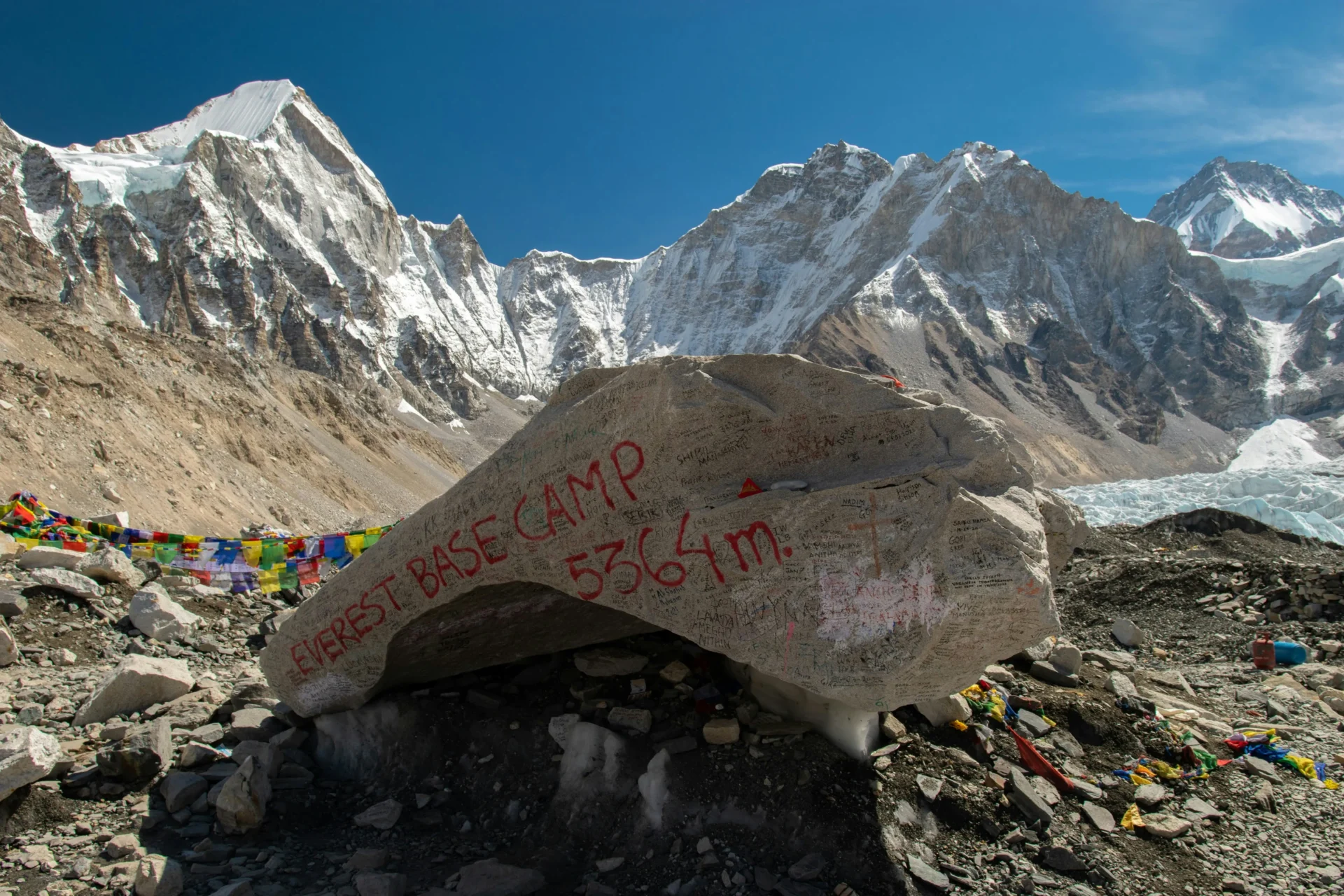
The Everest Base Camp Trek Cost for Foreigners is one of the most important factors travelers consider before planning their Himalayan adventure. Trekking to Everest Base Camp is a dream for many outdoor enthusiasts who want to experience the majestic Himalayas and witness the world’s highest mountain, Mount Everest, up close.
Located in the Khumbu region of Nepal, the Everest Base Camp trek offers breathtaking landscapes, ancient monasteries, traditional Sherpa villages, and stunning mountain views. Every year, thousands of international trekkers travel to Kathmandu to begin this once-in-a-lifetime journey.
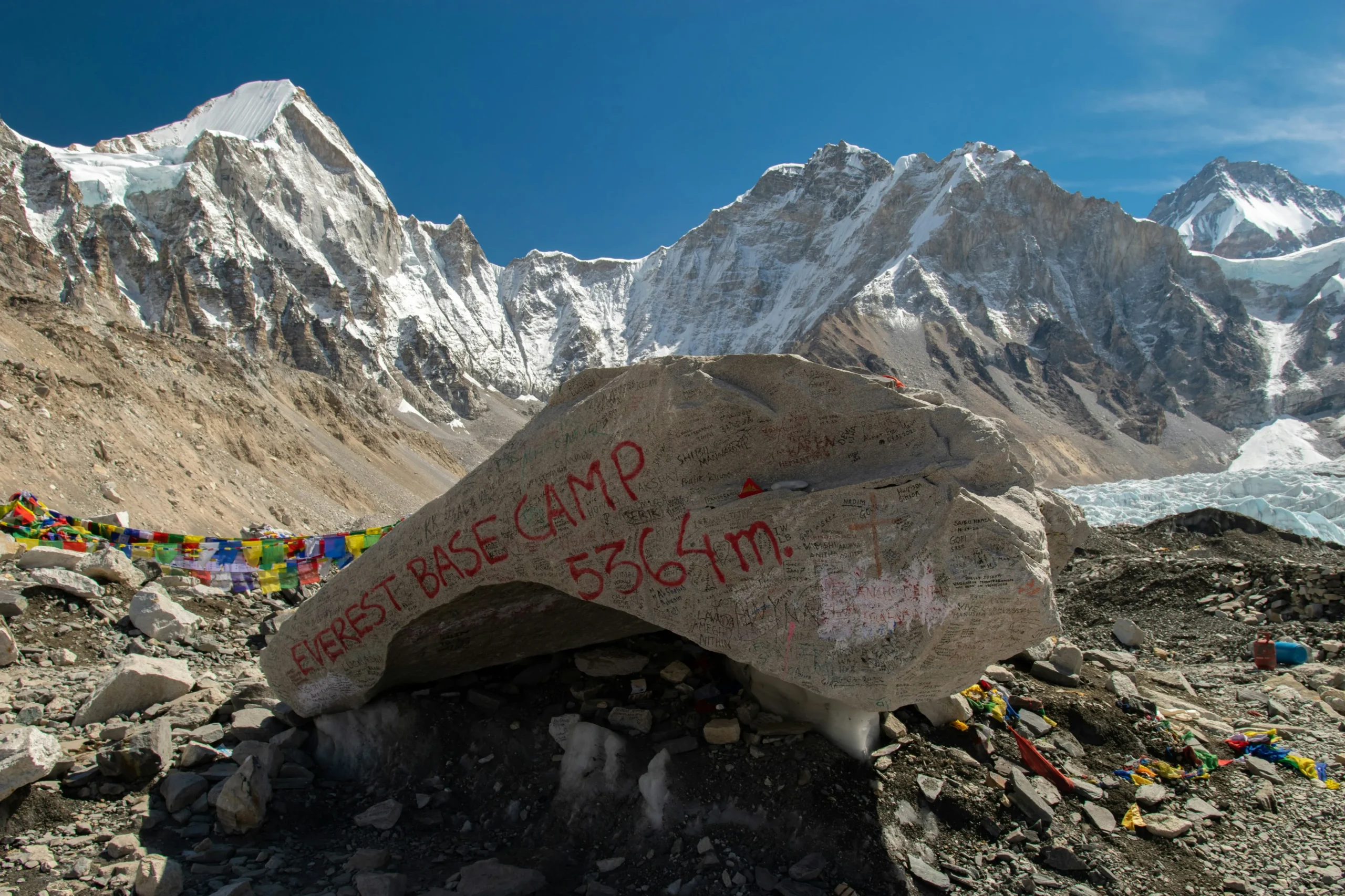
Photo by Rajan Dahal on Unsplash
However, understanding the Everest Base Camp Trek Cost for Foreigners can sometimes be confusing because prices vary depending on travel style, trekking company, permits, accommodation, transportation, and other expenses during the trek. Some travelers complete the trek on a tight budget, while others prefer comfortable luxury trekking packages.
This complete guide explains everything about the Everest Base Camp Trek Cost for Foreigners, including permit fees, flights, food, accommodation, guides, gear costs, and additional expenses you should consider while planning your adventure in Nepal.
Overview of Everest Base Camp Trek Cost for Foreigners
Understanding the overall Everest Base Camp Trek Cost for Foreigners helps trekkers plan their budget and avoid unexpected expenses during their journey. The total cost of trekking to Everest Base Camp usually ranges between $1,200 and $5,000, depending on how the trek is organized and what level of comfort the traveler prefers.
Budget travelers who organize their trek independently can complete the journey for around $900 to $1,300. These trekkers typically stay in basic tea houses, eat simple meals, and manage their itinerary without expensive tour packages. Independent trekking has become increasingly popular among experienced hikers who want flexibility and a lower Everest Base Camp Trek Cost for Foreigners.
On the other hand, many international travelers prefer booking a trekking package with a local agency in Kathmandu. These packages usually cost between $1,500 and $2,500 and include permits, accommodation, guides, meals, and transportation. Standard packages are convenient because they simplify the planning process and ensure professional support throughout the trek.
Luxury trekking packages can cost $3,500 to $6,000 or more. These tours offer premium lodges, experienced guides, better meals, and sometimes helicopter flights back from the Everest region. Luxury options are designed for travelers who want to experience the Himalayas comfortably without worrying about logistics.
Regardless of the trekking style, the Everest Base Camp Trek Cost for Foreigners includes several key expenses such as flights, permits, accommodation, food, and trekking gear. Understanding these components helps trekkers prepare financially and enjoy their journey without stress.
International Flight and Transportation Costs
One of the first expenses included in the Everest Base Camp Trek Cost for Foreigners is the international flight to Kathmandu, the main gateway for travelers visiting Nepal. Kathmandu is home to the country’s largest international airport and serves as the starting point for most Everest region treks.
The cost of international flights varies widely depending on the departure location, airline, and time of year. Travelers from Europe or the Middle East may find flights costing between $600 and $900, while flights from North America or Australia can range from $900 to $1,500.
Booking flights several months in advance often helps reduce the overall Everest Base Camp Trek Cost for Foreigners. Travelers should also consider flying during off-peak seasons when airfare tends to be cheaper.
After arriving in Kathmandu, trekkers must reach Lukla, the starting point of the Everest Base Camp trek. The most common way to reach Lukla is by a short domestic flight. The flight from Kathmandu to Lukla takes about 30 minutes and offers spectacular views of the Himalayan mountains.
A round-trip flight between Kathmandu and Lukla typically costs $400 to $450 per person. Weather conditions in the Himalayas sometimes delay flights, so travelers should plan flexible schedules when calculating their Everest Base Camp Trek Cost for Foreigners.
Transportation expenses also include airport transfers, hotel stays in Kathmandu, and local transportation before and after the trek. These additional costs usually add $100 to $300 to the total trekking budget.
Trekking Permits and Entry Fees
Permits are a mandatory requirement for anyone trekking in the Everest region. They form an important part of the Everest Base Camp Trek Cost for Foreigners because the trek passes through protected areas and local administrative regions.
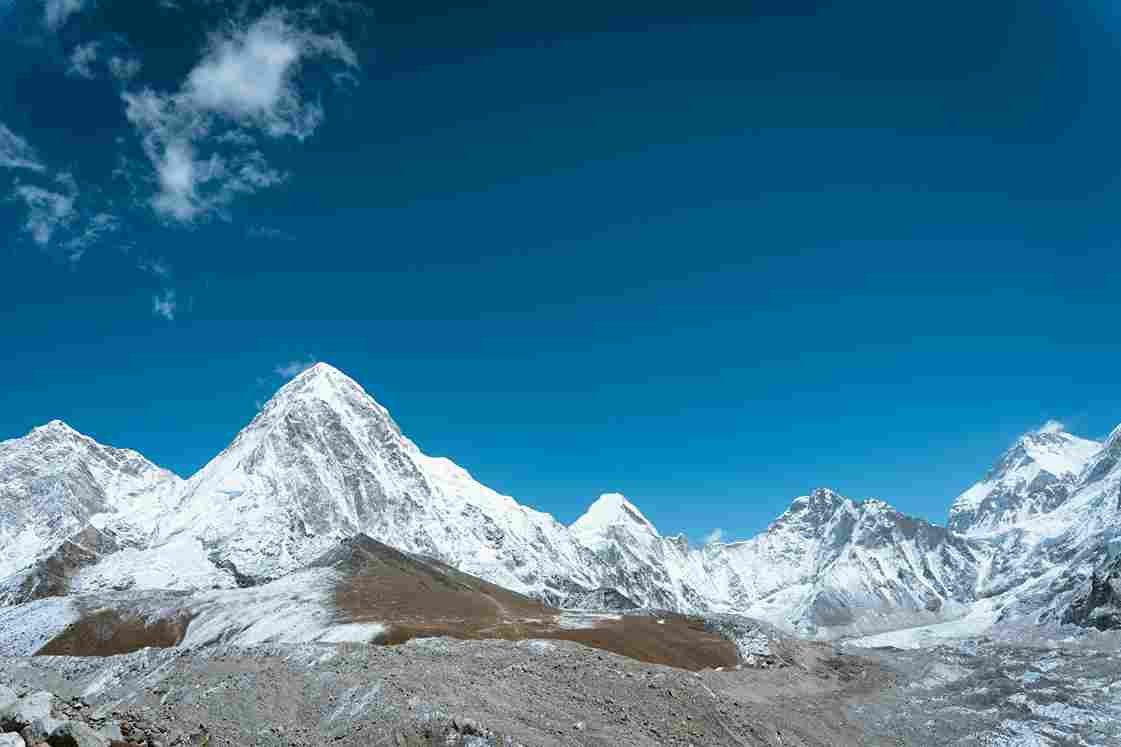
The first permit required is the Sagarmatha National Park Entry Permit, which allows trekkers to enter Sagarmatha National Park. This national park is a UNESCO World Heritage Site and protects the unique Himalayan ecosystem surrounding Mount Everest.
The Sagarmatha National Park permit costs approximately $30 per person for foreign visitors. This fee helps fund conservation programs, wildlife protection, and maintenance of trekking trails within the park.
Trekkers must also obtain the Khumbu Pasang Lhamu Rural Municipality Permit. This local permit replaced the previous TIMS card for the Everest region. The cost of this permit is around $20 per person.
Together, these permits usually add about $50 to the Everest Base Camp Trek Cost for Foreigners. Although the amount may seem small compared to other expenses, these permits are essential for legal trekking in the Everest region.
Most trekking agencies include permit costs in their packages, which simplifies the process for travelers. Independent trekkers can obtain these permits in Kathmandu or at checkpoints along the trekking route.
Accommodation and Food Costs During the Trek
Accommodation and meals represent a major portion of the Everest Base Camp Trek Cost for Foreigners because trekkers typically spend 12 to 14 days in the Everest region.
Along the trekking route, most travelers stay in tea houses operated by local families. These lodges provide basic rooms with twin beds, blankets, and shared bathrooms. While the facilities are simple, tea houses offer warm hospitality and a comfortable place to rest after long trekking days.
Typical accommodation prices range from $5 to $15 per night. The cost gradually increases as trekkers climb higher into the mountains because supplies become harder to transport.
Popular overnight stops during the trek include:
Namche Bazaar
Tengboche
Dingboche
Lobuche
Food is another significant expense during the trek. Since most ingredients must be transported by porters or yaks, prices increase with altitude. Trekkers can expect to spend $25 to $40 per day on meals.
The most popular trekking meal is Dal Bhat, a traditional Nepali dish consisting of rice, lentil soup, vegetables, and pickles. Dal Bhat is popular among trekkers because it is nutritious and often comes with free refills.
Over the course of the trek, accommodation and food expenses usually add $400 to $700 to the total Everest Base Camp Trek Cost for Foreigners.
Guide, Porter, and Trekking Gear Costs
Hiring a guide or porter can significantly improve the trekking experience, although it also increases the Everest Base Camp Trek Cost for Foreigners.
Professional trekking guides typically charge between $30 and $40 per day. Guides are responsible for navigating the trail, managing logistics, explaining local culture, and ensuring safety during the trek.
Porters carry heavy backpacks so trekkers can hike comfortably with only a small daypack. The average cost of hiring a porter ranges from $20 to $30 per day.
Many travelers hire both a guide and a porter, which adds approximately $500 to $800 to the Everest Base Camp Trek Cost for Foreigners for the entire trek.
Trekking gear is another important expense. Essential items include:
Down jacket
Sleeping bag
Trekking boots
Thermal clothing
Gloves and hats
Trekking poles
Trekkers who do not own gear can rent equipment in Kathmandu. Rental costs typically range from $100 to $300 depending on the quality and duration.
Purchasing new gear can cost significantly more, but it provides better comfort and durability for long treks.
Additional Expenses and Money-Saving Tips
Besides the main costs, several smaller expenses can influence the final Everest Base Camp Trek Cost for Foreigners. These additional costs may seem minor individually but can add up during the trek.
Common extra expenses include:
Hot showers ($3–$5)
Charging electronic devices ($2–$5)
Wi-Fi access ($3–$8)
Snacks and drinks
Souvenirs and local crafts
Trekkers should also budget money for tips. It is customary to tip guides and porters at the end of the trek to show appreciation for their support.
Travel insurance is another important consideration. High-altitude trekking carries certain risks, so insurance covering emergency evacuation is strongly recommended when planning the Everest Base Camp Trek Cost for Foreigners.
To reduce costs, travelers can follow several strategies. Trekking in small groups allows expenses such as guides and porters to be shared. Renting gear instead of buying new equipment can also save money.
Booking flights early and choosing local trekking agencies rather than international companies may significantly reduce the overall Everest Base Camp Trek Cost for Foreigners.
Despite the expenses, the experience of standing near Everest Base Camp, surrounded by the towering peaks of the Himalayas and the legendary Mount Everest, makes this adventure truly priceless.
FAQs About Everest Base Camp Trek Cost for Foreigners
How much is the Everest Base Camp Trek Cost for Foreigners?
The average cost ranges between $1,200 and $2,500 depending on trekking style and services included.
How long does the Everest Base Camp trek take?
Most itineraries take 12 to 14 days to reach Everest Base Camp and return to Lukla.
Do foreigners need permits for the Everest Base Camp trek?
Yes, trekkers must obtain permits for Sagarmatha National Park and the Khumbu local municipality.
Is a guide necessary for the trek?
While not always mandatory, hiring a guide improves safety and helps travelers understand the local culture and environment.
