
bhoto jatra
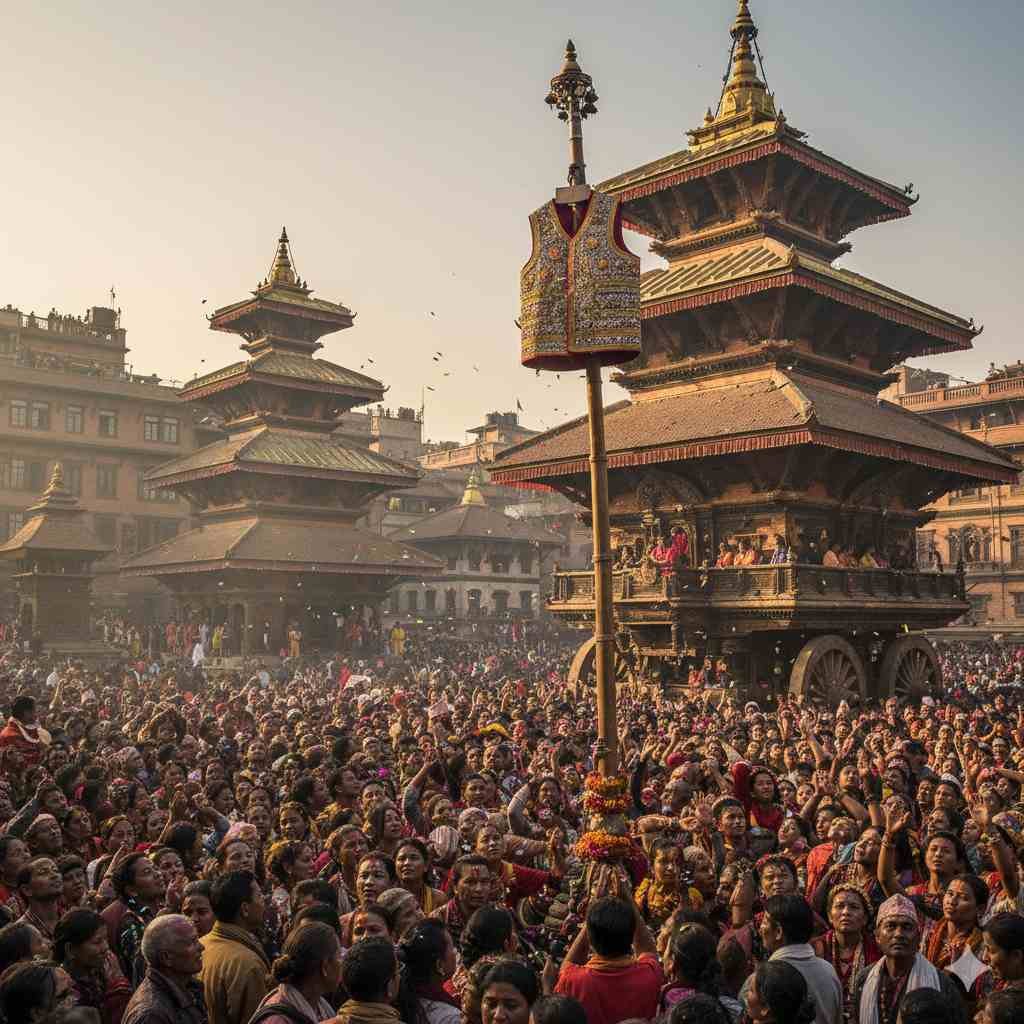
Among Nepal’s rich tapestry of festivals, Bhoto Jatra holds a special place in the hearts of the Newar community and Nepali people alike. This centuries-old tradition marks the end of the Rato Machhindranath Jatra, one of the most important and longest-running festivals celebrated in the Kathmandu Valley.
Every year, thousands gather in Jawalakhel, Lalitpur, to witness the sacred display of the “bhoto” (a jeweled vest) a ritual that has been performed for generations. But Bhoto Jatra is not just a religious ceremony; it’s a living cultural performance that unites spirituality, legend, and community spirit into one grand spectacle.
What Is Bhoto Jatra?
The meaning of this jatra literally means “The Vest Festival.” It’s celebrated at the end of the Rato Machhindranath Jatra, a month-long chariot procession dedicated to Rato Machhindranath, the god of rain and compassion.
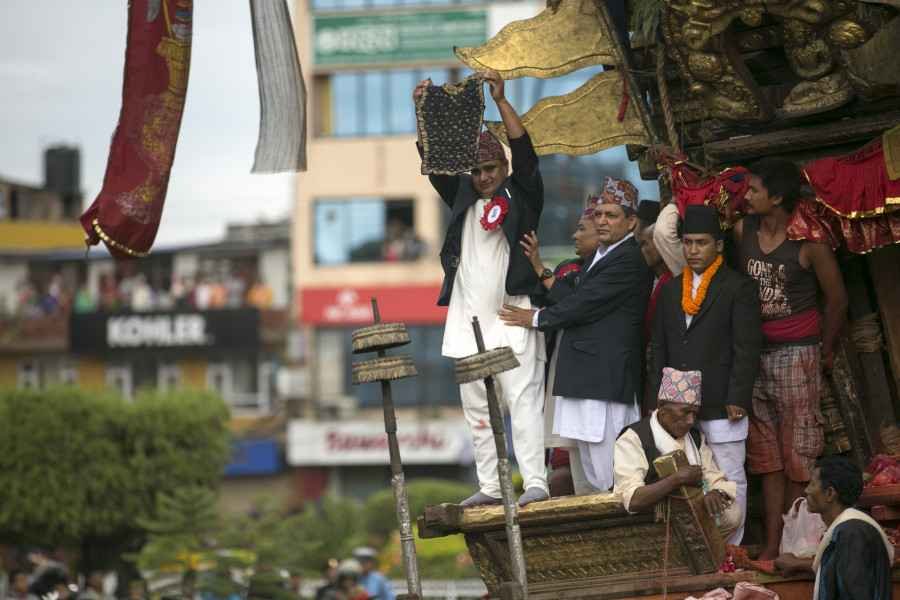
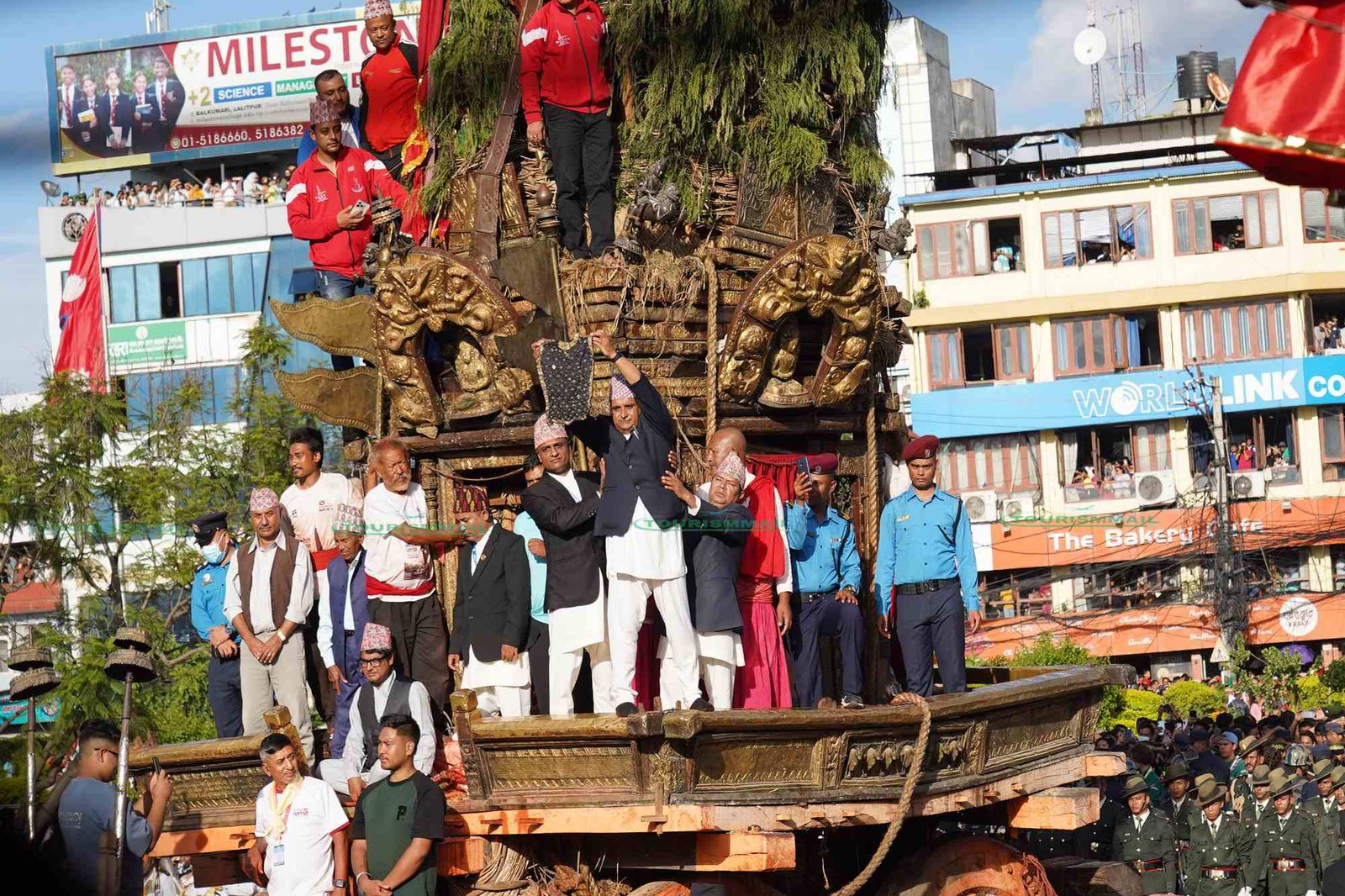
The highlight of the festival is when the jeweled vest (bhoto) is shown to the public by a priest on the chariot in Jawalakhel. This symbolic act attracts devotees, locals, and tourists from across the country who gather to witness the moment that marks the festival’s grand finale.
Bhoto Jatra
The exact date of Bhoto Jatra varies each year based on the Nepali lunar calendar, usually falling in May or June.
Like many ancient Nepali festivals, this Jatra is rooted in legend. The story goes that a farmer once possessed a precious jeweled vest, gifted to him by a serpent king (Naga) for curing his wife’s eye disease. One day, a demon stole the vest, and the farmer could not retrieve it.
Years later, during a festival for Rato Machhindranath, the farmer spotted someone wearing his bhoto. A quarrel ensued, and both claimed ownership. To settle the dispute, the vest was kept in the custody of Rato Machhindranath until the rightful owner could be identified.
Since then, every year during this Jatra, the vest is displayed to the public symbolizing the ongoing search for its true owner and serving as a reminder of justice, faith, and divine protection.
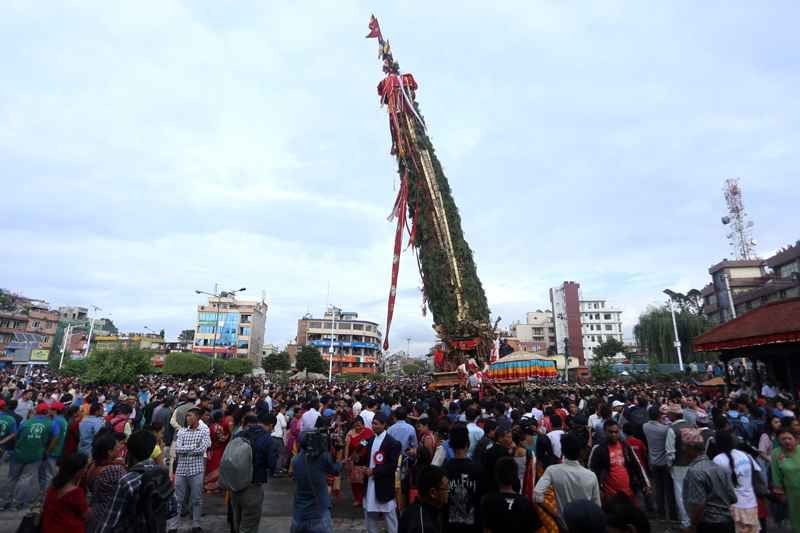
The grand celebration of Bhoto Jatra takes place in Jawalakhel, Lalitpur, where the chariot of Rato Machhindranath rests after a month-long procession through various Newar towns and settlements.
Thousands gather around the open ground to witness the event. The festival proceeds as follows: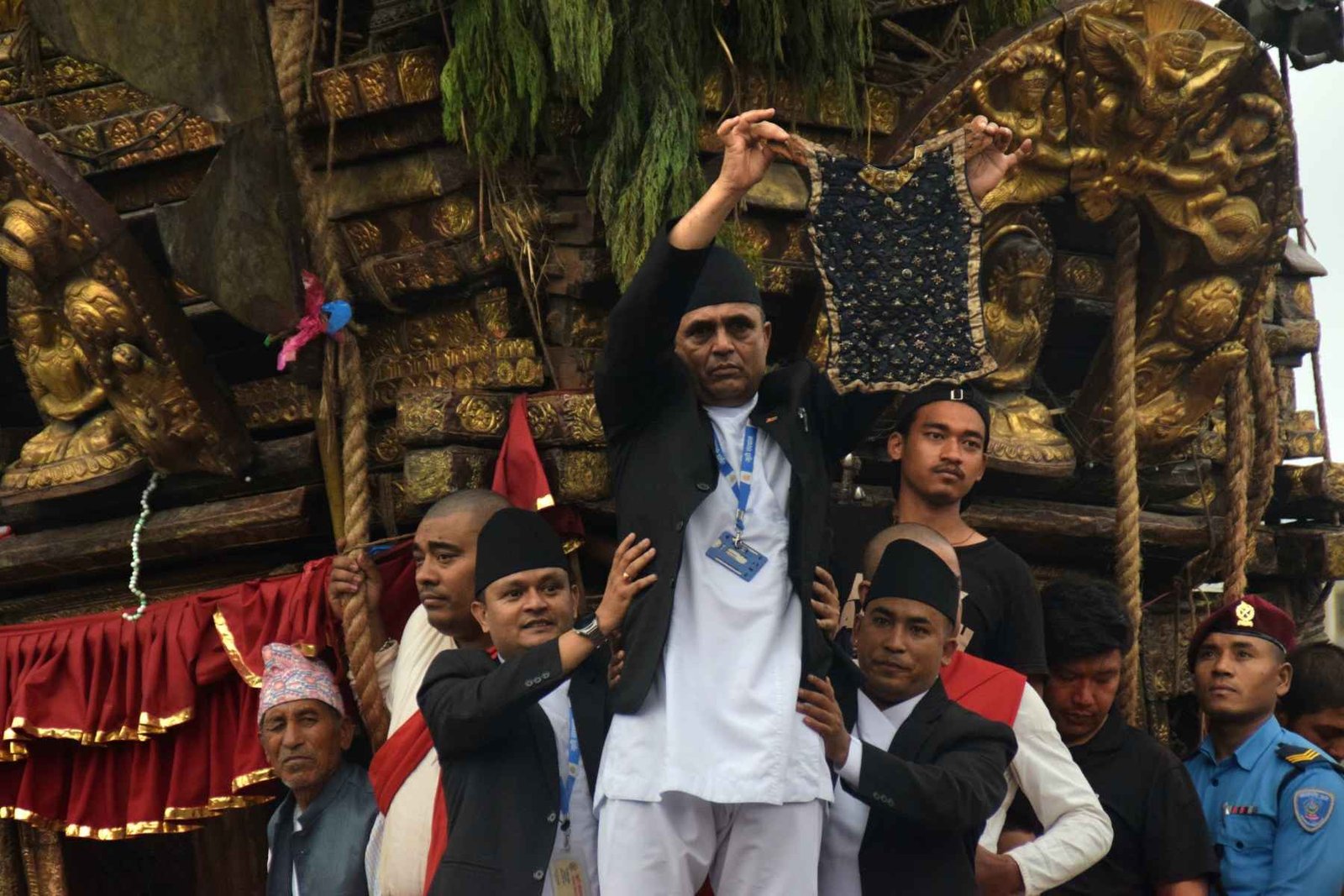
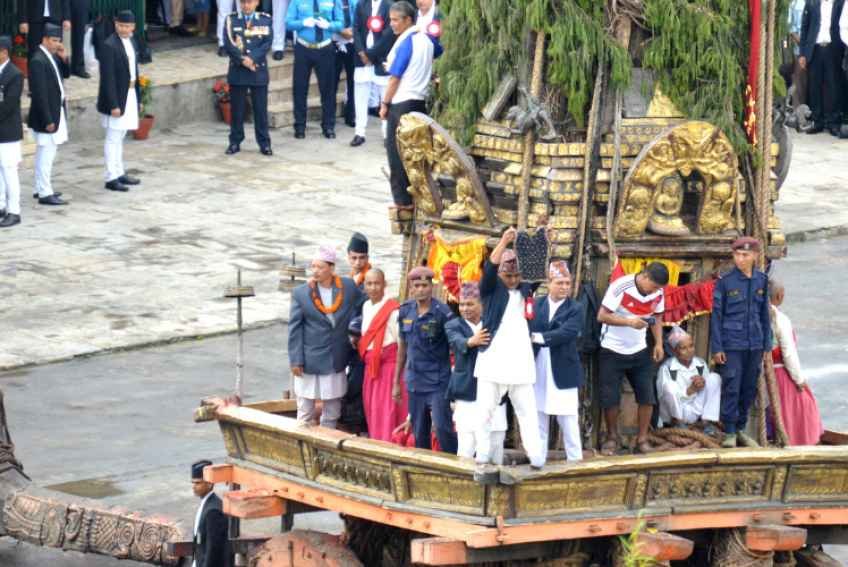
Arrival of the Royal Representative:
A representative of the President of Nepal or a high-ranking government official attends the ceremony, continuing the centuries-old tradition once observed by the Malla kings.The Display of the Bhoto:
Priests climb the towering chariot and display the jeweled vest in all four directions, ensuring everyone in the crowd gets a glimpse.Public Cheers and Rituals:
As the bhoto is displayed, the crowd erupts with cheers and traditional Newar music drums (dhime), flutes, and cymbals filling the air with energy and devotion.Chariot’s Final Journey:
After Bhoto Jatra, the chariot is taken to Bungamati, the home of Rato Machhindranath, marking the end of the festival season.
The Bhoto Jatra is more than just a festival it’s a reflection of Nepal’s cultural unity and faith.
It celebrates the bond between humans and nature, as Rato Machhindranath is believed to bring rain for good harvests.
It preserves the oral storytelling traditions of the Newar community.
It showcases interfaith harmony, as both Hindus and Buddhists participate in equal devotion.
It strengthens community spirit, with locals from different toles (neighborhoods) working together to construct the massive chariot and manage the festival.
The Chariot of Rato Machhindranath
The chariot (ratha) built for the Rato Machhindranath Jatra is a marvel in itself. It stands over 60 feet tall, crafted entirely from wood without using a single nail. The chariot is pulled through the narrow streets of Patan, Pulchowk, Gabahal, Mangalbazaar, and finally Jawalakhel a journey that takes nearly a month.
The pulling of the chariot symbolizes unity, cooperation, and devotion, as hundreds of volunteers work together, chanting and pulling the ropes in rhythm.
By the time the chariot reaches Jawalakhel, excitement peaks everyone knows that Bhoto Jatra is near.
Even in 2025, Bhoto Jatra remains one of the most anticipated events in Kathmandu Valley. Despite modernization, the core traditions have been beautifully preserved.
Modern developments include:
Live broadcasts on national TV channels
Drone coverage capturing the massive crowd
Cultural exhibitions and street food festivals around the Jawalakhel area
Participation from tourists and photographers eager to witness this colorful tradition firsthand
For travelers visiting Nepal, attending Bhoto Jatra offers a glimpse into the authentic spirit of Nepali culture where legends live through rituals and communities celebrate their shared identity.
The festival is closely tied to the agricultural cycle of Nepal. Rato Machhindranath is revered as the rain god, and Bhoto Jatra symbolizes the end of the dry season and the beginning of the monsoon.
By celebrating Bhoto Jatra, people express gratitude for rain and fertility, praying for abundant harvests. It’s a perfect example of how religion, culture, and environment intertwine in Nepali traditions.
Attending Bhoto Jatra is an unforgettable cultural experience. You’ll witness:
The crowd’s excitement as the bhoto is lifted high
Traditional Newar music filling the air
Locals dressed in cultural attire
The chariot of Rato Machhindranath, a towering masterpiece of craftsmanship
For travelers, it’s not just about watching it’s about feeling the energy, the history, and the unity that defines Nepal’s living heritage.
| Event | Details |
|---|---|
| Festival Name | Bhoto Jatra |
| Main Deity | Rato Machhindranath (God of Rain) |
| Celebrated In | Jawalakhel, Lalitpur |
| Time of Year | May–June (as per lunar calendar) |
| Duration | 1 day (marks the end of month-long Jatra) |
| Highlight | Display of the jeweled vest (bhoto) |
Tips for Tourists Attending at Bhoto Jatra
Arrive Early: The crowd grows quickly reach Jawalakhel before noon.
Respect Local Customs: It’s a sacred ceremony; dress modestly and behave respectfully.
Bring a Camera: The colors, chariot, and rituals make for stunning photographs.
Stay Nearby: Choose accommodation in Patan or Jawalakhel for convenience.
Try Local Food: Enjoy Newari dishes like chatamari, bara, and yomari from nearby stalls.
FAQs About This Jatra
1. What is Bhoto Jatra?
Bhoto Jatra is a traditional Nepali festival that marks the end of the month-long Rato Machhindranath Jatra in Patan, Lalitpur. The highlight of the festival is the public display of a sacred jeweled vest (“bhoto”), symbolizing justice, faith, and tradition in Nepal’s Newar community.
2. Why is Bhoto Jatra celebrated in Nepal?
The festival celebrates the spirit of justice and divine faith. According to legend, a farmer received a jeweled vest from a serpent god but lost it to a thief. To resolve the dispute, the vest was entrusted to Rato Machhindranath, the god of rain. Every year, the bhoto is displayed to remind people of the story and invoke blessings for good rainfall and harvest.
3. When is Bhoto Jatra 2083 celebrated?
In 2083 BS, Bhoto Jatra will be celebrated on Jestha 19, 2083, which corresponds to June 1, 2026 (Monday). Thousands of devotees and visitors will gather at Jawalakhel, Lalitpur to witness the sacred vest being displayed during this grand cultural event.
4. Where is Bhoto Jatra celebrated?
The main celebration of Bhoto Jatra occurs in Jawalakhel, Lalitpur, near Kathmandu. Thousands of devotees and onlookers gather to witness the display of the jeweled vest and the presence of Nepal’s top government officials, maintaining a tradition that dates back to the Malla period.
5. Who is Rato Machhindranath?
Rato Machhindranath is revered as the god of rain and compassion in both Hindu and Buddhist traditions. He is believed to bring rainfall essential for agriculture and symbolizes harmony between the two religions in Nepal.
6. What happens during Bhoto Jatra?
During Bhoto Jatra, priests climb the tall chariot of Rato Machhindranath and display the jeweled vest in four directions. The crowd cheers, traditional Newar music fills the air, and officials observe the ritual. Afterward, the chariot is taken to Bungamati, the god’s home, marking the official end of the festival.
7. What is the significance of Bhoto Jatra?
Bhoto Jatra signifies unity, cultural preservation, and faith. It connects the Newar community’s ancient traditions with modern Nepal, reminding people of the importance of justice, cooperation, and gratitude for rain and harvest.
8. Can tourists attend Bhoto Jatra?
Yes! Tourists are warmly welcomed at Bhoto Jatra. It’s one of the best opportunities to experience Nepal’s vibrant culture up close. Visitors can capture incredible photos, enjoy Newar cuisine, and witness a centuries-old ceremony that defines the spiritual rhythm of Kathmandu Valley.
In a rapidly changing world, festivals like this Jatra remind us of the importance of tradition and community. It’s not just about showing a jeweled vest it’s about displaying Nepal’s soul, its resilience, and its respect for heritage.
For anyone looking to truly experience Nepal, Bhoto Jatra is a celebration that brings history to life where faith meets festivity and culture connects generations.
As the bhoto is raised high above the crowd and the cheers echo across Jawalakhel, one thing becomes clear Bhoto Jatra is more than a festival; it’s a living symbol of Nepal’s spiritual and cultural identity.
Whether you’re a traveler, photographer, or cultural explorer, witnessing Bhoto Jatra once in your lifetime will leave you with memories and meaning that last forever.
ExploreAllAboutNepal is your trusted travel blogging site dedicated to sharing the beauty, culture, and adventures of Nepal. From the towering Himalayas to local street festivals like Bhoto Jatra, we bring authentic stories and travel guides to help you experience Nepal in its truest form.
👉 Follow ExploreAllAboutNepal for more travel inspiration, hidden gems, and cultural stories from every corner of Nepal.
