
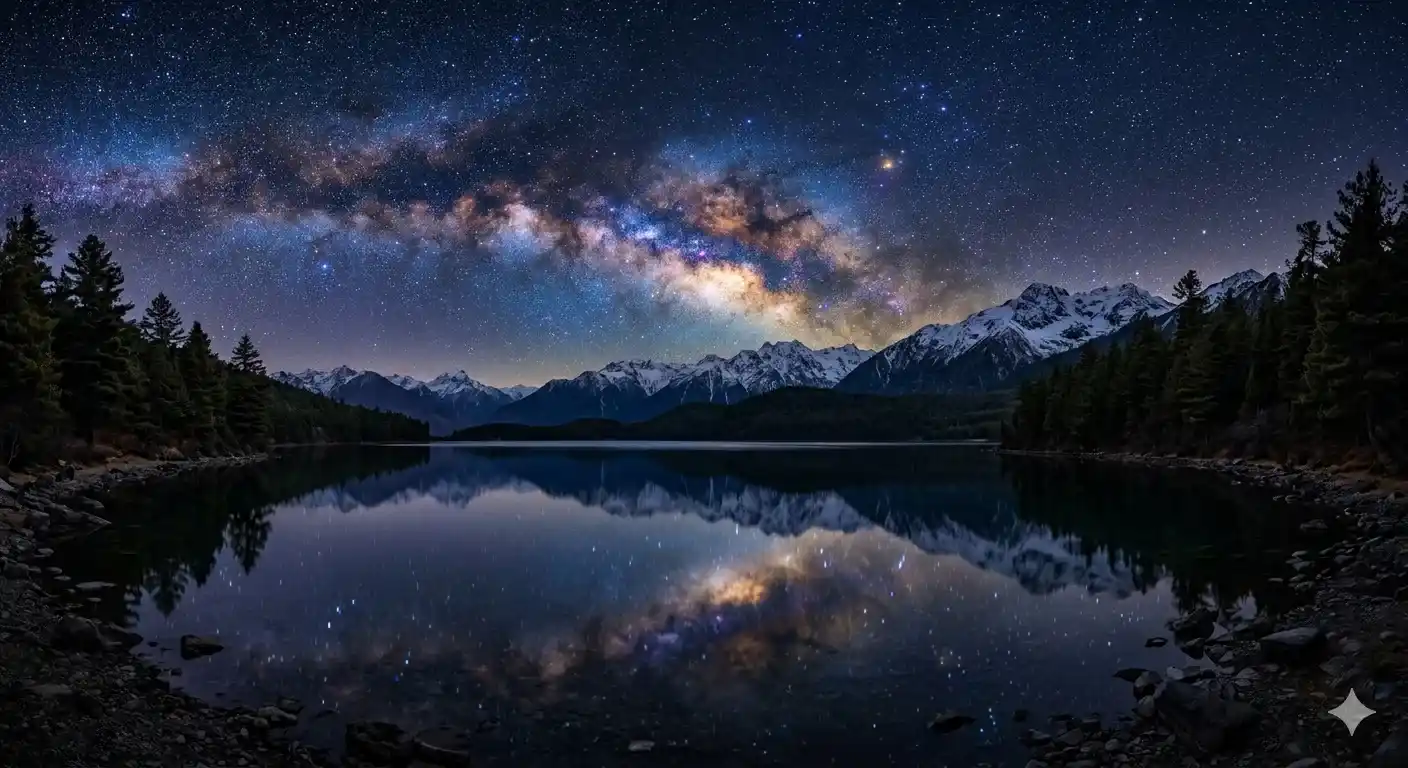
Nepal is famous for its towering Himalayan mountains, ancient temples, and breathtaking trekking routes. However, one experience that many travelers overlook is stargazing in Nepal. Thanks to its high-altitude landscapes, remote mountain villages, and low levels of light pollution, Nepal offers some of the most incredible night skies in Asia. On clear nights, the sky above the Himalayas transforms into a cosmic theater filled with thousands of stars, bright constellations, and even the glowing band of the Milky Way.
For travelers seeking a unique adventure, exploring the best places to stargaze in Nepal can be just as magical as trekking through its mountains during the day. Imagine standing in a quiet mountain valley where the only sounds are the wind and distant rivers, while above you the sky stretches endlessly with brilliant stars. These moments create unforgettable memories and offer a rare opportunity to reconnect with nature.
Best Places to Stargaze in Nepal
Nepal’s geography makes it an ideal destination for night sky lovers. Many locations sit at elevations above 2,500 meters where the air is thinner and clearer. Combined with remote landscapes far from city lights, this creates perfect conditions for viewing stars, planets, and meteor showers.
Whether you are an amateur astronomy enthusiast, a photographer looking to capture the Milky Way, or simply a traveler wanting a peaceful night under the stars, Nepal has countless destinations to explore. From high Himalayan trekking routes to remote lakes and desert-like landscapes in the north, the country offers some truly extraordinary stargazing spots.
In this guide, we will explore the best stargazing locations in Nepal, the best seasons for night sky viewing, photography tips, and the equipment you need to capture the beauty of the Himalayan night sky.
Best Places to Stargaze in Nepal
Why Nepal Is Perfect for Stargazing
Nepal offers a unique combination of geography, climate, and natural beauty that makes it one of the best places in the world for stargazing. While many countries struggle with heavy light pollution from cities and industrial areas, large parts of Nepal remain untouched by modern development. This means the night skies in many regions are still incredibly dark, allowing stars to shine brightly and clearly.
One of the biggest advantages Nepal has for stargazing is its high altitude. Many popular trekking routes and mountain villages sit between 2,000 and 5,000 meters above sea level. At these elevations, the atmosphere becomes thinner and clearer, reducing atmospheric distortion and making stars appear sharper and brighter. This is why many astronomers and astrophotographers prefer high mountain locations for observing celestial objects.
Another reason Nepal is ideal for stargazing is the country’s remote landscapes. Areas like Upper Mustang, Dolpa, and the far western mountains are located far from major cities and urban development. Because there are very few artificial lights, the skies remain naturally dark, allowing visitors to see thousands of stars that are normally invisible in urban environments.
Nepal’s varied landscapes also add beauty to the stargazing experience. Imagine watching the Milky Way rise above snow-covered peaks, reflecting across calm mountain lakes, or stretching across the desert-like valleys of the Himalayas. These dramatic backdrops make the night sky even more spectacular.
Additionally, Nepal offers countless outdoor experiences that pair perfectly with stargazing. Trekkers often spend nights in remote lodges or camps surrounded by mountains, giving them front-row seats to the universe once the sun sets.
For travelers who love nature, adventure, and photography, Nepal provides a rare opportunity to witness some of the most stunning night skies on Earth.
Best Time for Stargazing in Nepal
Choosing the right season is extremely important if you want to experience the best stargazing conditions in Nepal. Weather patterns, cloud cover, and moon phases can significantly affect how clearly you can see the stars. Fortunately, Nepal offers several months of excellent night sky visibility throughout the year.
The best time for stargazing in Nepal is during the autumn and spring seasons. These periods provide the clearest skies and the most stable weather conditions. Autumn, which lasts from October to December, is considered the prime season. After the monsoon rains clear away dust and pollution, the atmosphere becomes extremely clean and transparent. During this time, the night sky becomes incredibly vivid, making it easier to see stars, planets, and the Milky Way.
Spring, from March to May, is another excellent season for stargazing. The weather is generally stable, and temperatures remain comfortable even at higher elevations. While some haze can appear in lower valleys, higher trekking regions still provide spectacular night sky visibility.
The worst season for stargazing is the monsoon period between June and September. Heavy clouds and frequent rainstorms make it difficult to see the sky clearly. In most areas, the night sky remains hidden behind thick clouds during this time.
Winter months from January to February can also be good for stargazing, particularly in high-altitude regions where the skies are often extremely clear. However, temperatures can become very cold, especially in the Himalayas, so proper clothing and preparation are necessary.
Another important factor to consider is the moon phase. A bright full moon can wash out many stars and reduce visibility of the Milky Way. For the best experience, travelers should plan their stargazing trips during a new moon period, when the sky becomes darkest.
Best Stargazing Locations in Nepal
Nepal has many remote and high-altitude locations that provide incredible views of the night sky. These destinations combine dark skies, breathtaking landscapes, and minimal light pollution, making them ideal for stargazing and astrophotography.
One of the best places to stargaze in Nepal is Rara Lake, the largest lake in Nepal. Surrounded by mountains and forests, the lake reflects the night sky like a mirror, creating stunning views of stars and the Milky Way. Because the region is remote and far from cities, the skies remain exceptionally dark.
Another incredible destination is Shey Phoksundo Lake. Located in Dolpa district, this turquoise lake sits in a dramatic mountain landscape. The clear skies and high altitude make it one of the best locations in Nepal for astrophotography.
Trekkers in the Annapurna region can enjoy night sky views from Poon Hill. While it is famous for sunrise views, the night sky here can also be spectacular. When the skies are clear, visitors can see constellations and the Milky Way rising above the Annapurna and Dhaulagiri mountain ranges.
Another popular location near Kathmandu is Kalinchowk Bhagwati Temple. Because it sits at a high altitude and far from city lights, it offers impressive night sky visibility during clear nights.
For trekkers seeking a truly dramatic experience, Annapurna Base Camp offers a unique setting. Surrounded by towering Himalayan peaks, the sky above the base camp becomes incredibly clear at night, creating an unforgettable celestial view.
These locations showcase why Nepal is quickly becoming a for best places to Stargaze in Nepal for stargazing travelers.
Tips for Stargazing and Astrophotography
Successful stargazing requires more than just finding a dark location. Preparation and proper techniques can greatly improve your experience and help you see more celestial objects in the night sky.
The first step is choosing a location far from artificial light. Even small villages can create light pollution that reduces visibility of faint stars. Travelers should walk away from buildings and find an open area with a clear view of the horizon.
Allowing your eyes to adjust to darkness is also important. After arriving at your stargazing location, it can take up to 20 minutes for your eyes to fully adapt. During this time, avoid looking at bright lights or phone screens because they can reduce your night vision.
Using a red flashlight is helpful for navigating in the dark while protecting your night vision. Many astronomers use red lights because they do not interfere with the eye’s ability to see stars.
For photographers, using manual camera settings is essential. A common starting point is an ISO between 1600 and 3200, an aperture of f/2.8, and an exposure time between 15 and 20 seconds. These settings allow the camera to capture enough light while preventing stars from appearing as streaks.
Stargazers can also use mobile apps to identify constellations and planets. Applications like Star Walk 2 or SkyView help users locate stars and learn about celestial objects in real time.
Checking weather forecasts is another important step. Clear skies are essential for stargazing in the best places to stargaze in Nepal, so travelers should monitor cloud conditions before planning their observation sessions.
With patience, preparation, and the right tools, stargazing in Nepal can become an unforgettable adventure.
Nepal is widely known for its mountains, trekking routes, and cultural heritage, but it also offers one of the most magical night sky experiences in the world. Far from the bright lights of major cities, the country’s remote valleys, high-altitude lakes, and Himalayan viewpoints provide incredibly dark skies that reveal thousands of stars.
Travelers who explore the best places to stargaze in Nepal will discover a completely different side of the country. Instead of crowded viewpoints and busy trails, the night sky offers peaceful silence and a sense of connection with the universe. Watching the Milky Way stretch across the sky above the Himalayas is an experience that few destinations on Earth can match.
Locations like Rara Lake, Shey Phoksundo Lake, Poon Hill, Kalinchowk, and Annapurna Base Camp provide spectacular environments for observing the stars. Each destination combines dramatic landscapes with clear night skies, creating unforgettable opportunities for both casual stargazers and professional photographers.
Planning your trip during the right season and choosing dark locations away from artificial light can greatly enhance the experience. Bringing the right photography equipment also allows travelers to capture stunning images of the Milky Way and constellations above Nepal’s mountains.
As adventure tourism continues to grow, stargazing is becoming an increasingly popular activity for travelers seeking unique and peaceful experiences. Nepal’s untouched landscapes and high mountain skies make it a perfect destination for this growing trend.
Whether you are trekking through the Himalayas or visiting remote lakes, take the time to look up at the night sky. The stars above Nepal tell a story that is just as breathtaking as the mountains below.
Best Cameras for Stargazing and Astrophotography
If you want to photograph stars, galaxies, or the Milky Way in Nepal, choosing the right camera is extremely important. Astrophotography requires cameras that perform well in low-light environments, have large sensors, and allow manual control over settings like ISO, shutter speed, and aperture.
Unlike daytime photography, capturing the night sky requires long exposure times and high ISO settings. Cameras designed for low-light performance can capture more light from distant stars without producing excessive noise in the image. Mirrorless and DSLR cameras are generally the best options because they provide the flexibility and image quality required for night sky photography.
Another important factor is the camera sensor. Full-frame sensors perform better in dark environments because they capture more light and produce cleaner images at high ISO values. However, APS-C cameras are also excellent for beginners because they are more affordable and still capable of producing stunning Milky Way photos.
Lenses are just as important as the camera body. Astrophotographers typically use wide-angle lenses between 14mm and 24mm with wide apertures such as f/2.8 or lower. These lenses allow more light into the camera, which helps capture stars clearly during long exposures.
In addition to the camera and lens, photographers should always use a sturdy tripod. Long exposures of 10–20 seconds are common in astrophotography, and any movement during that time can cause blurry images.
Below are some of the best cameras that beginners and travelers can use to photograph the night sky during stargazing trips in Nepal in best places to Stargaze in Nepal.
Recommended Cameras for Stargazing Photography
Sony A7 III Mirrorless Camera
Best overall camera for astrophotography
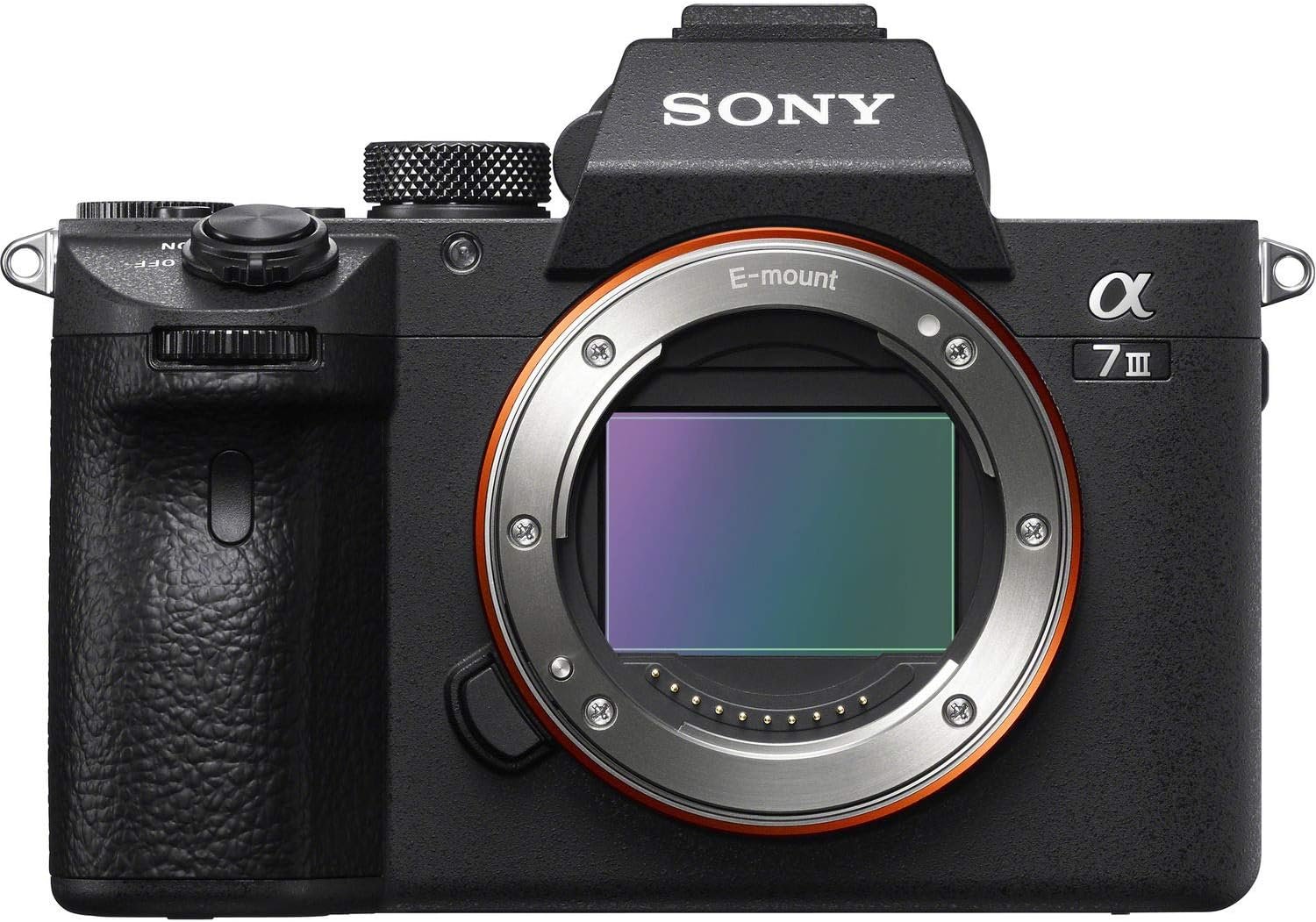
Sony A7 III
Key Features
- 24.2MP full-frame sensor
- Excellent low-light performance
- ISO range up to 204,800
- 5-axis image stabilization
- Long battery life
Why it’s good for stargazing
The Sony A7 III is widely considered one of the best cameras for low-light photography. Its full-frame sensor captures more light, which helps produce detailed images of stars and the Milky Way. The camera also performs extremely well at high ISO levels, reducing image noise during long exposures.
Best for
- Milky Way photography
- Landscape astrophotography
- Professional travel photography
Approximate Price
$1,700 – $2,000
Nikon Z6 II Mirrorless Camera
Best camera for night landscape photography
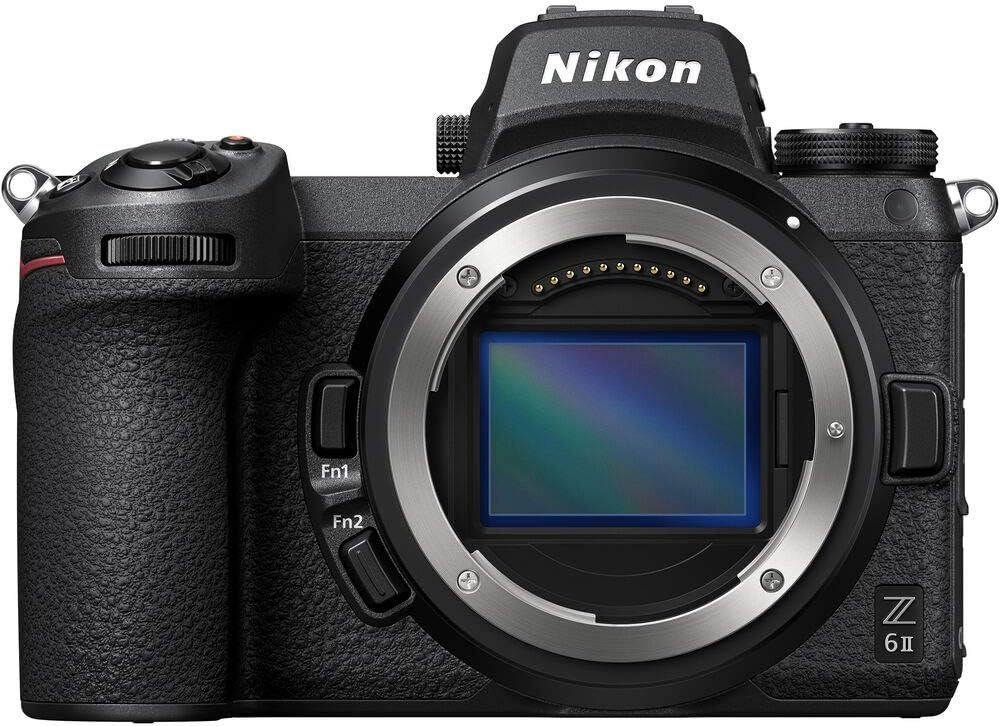
Nikon Z6 II
Key Features
- 24.5MP full-frame sensor
- Dual processors for better performance
- ISO range up to 204,800
- Excellent dynamic range
- 4K video recording
Why it’s good for stargazing
The Nikon Z6 II is known for its strong performance in dark environments. Its sensor captures impressive detail in low light, making it ideal for photographing the night sky over mountain landscapes.
Best for
- Stargazing photography in remote areas
- Night landscapes in the Himalayas
- Professional travel photographers
Approximate Price
$1,900 – $2,200
Canon EOS R6 Mirrorless Camera
Best camera for professional astrophotography
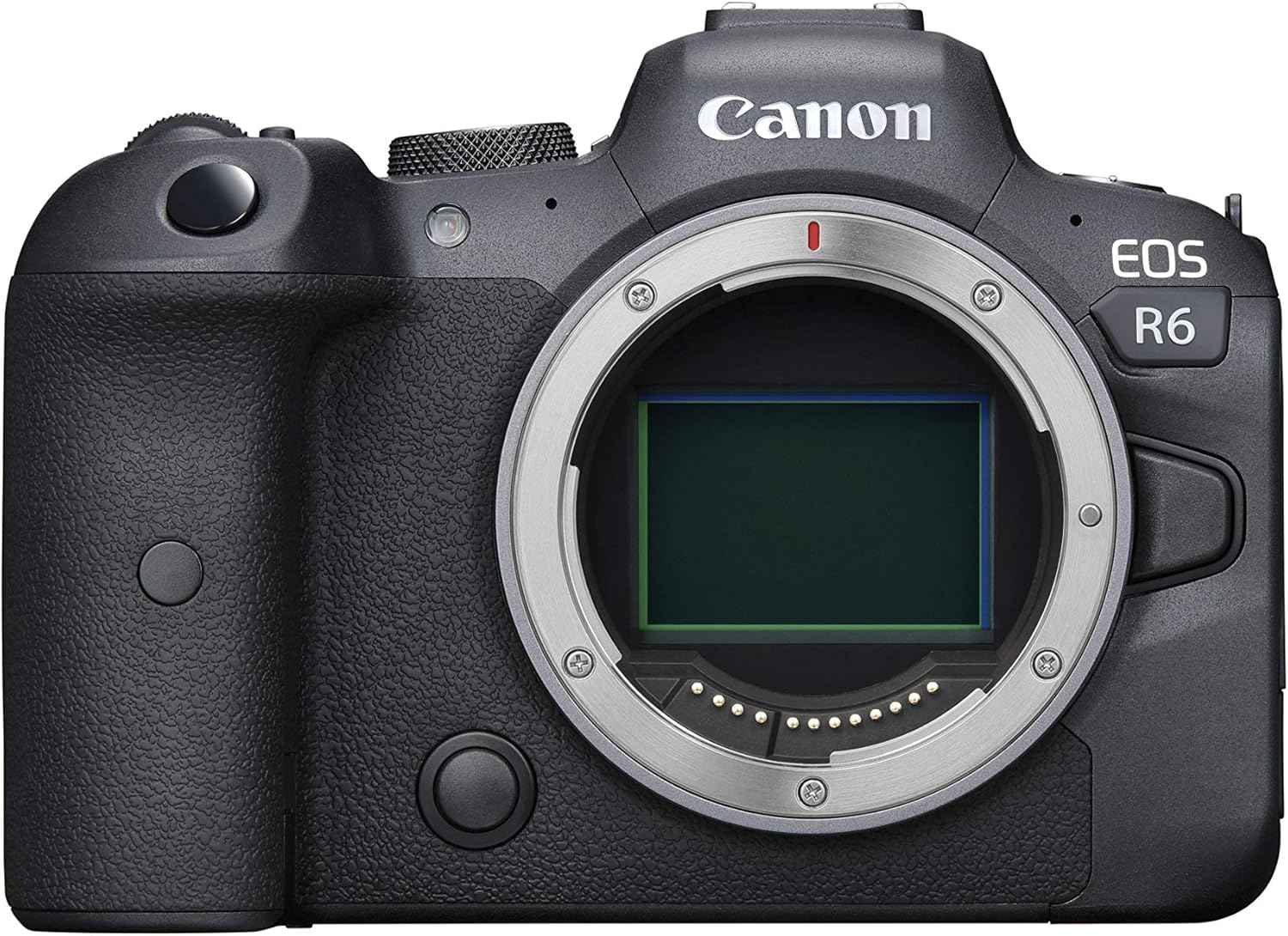
Canon EOS R6
Key Features
- 20.1MP full-frame sensor
- Advanced autofocus system
- Excellent high ISO performance
- Fast burst shooting
- Weather-sealed body
Why it’s good for stargazing
The Canon EOS R6 is designed for low-light photography. Its high ISO capability and advanced sensor allow photographers to capture clear images of stars even in extremely dark environments.
Best for
- Professional astrophotographers
- Milky Way photography
- Night landscapes
Approximate Price
$2,300 – $2,500
Sony A6400 Mirrorless Camera
Best budget camera for beginners
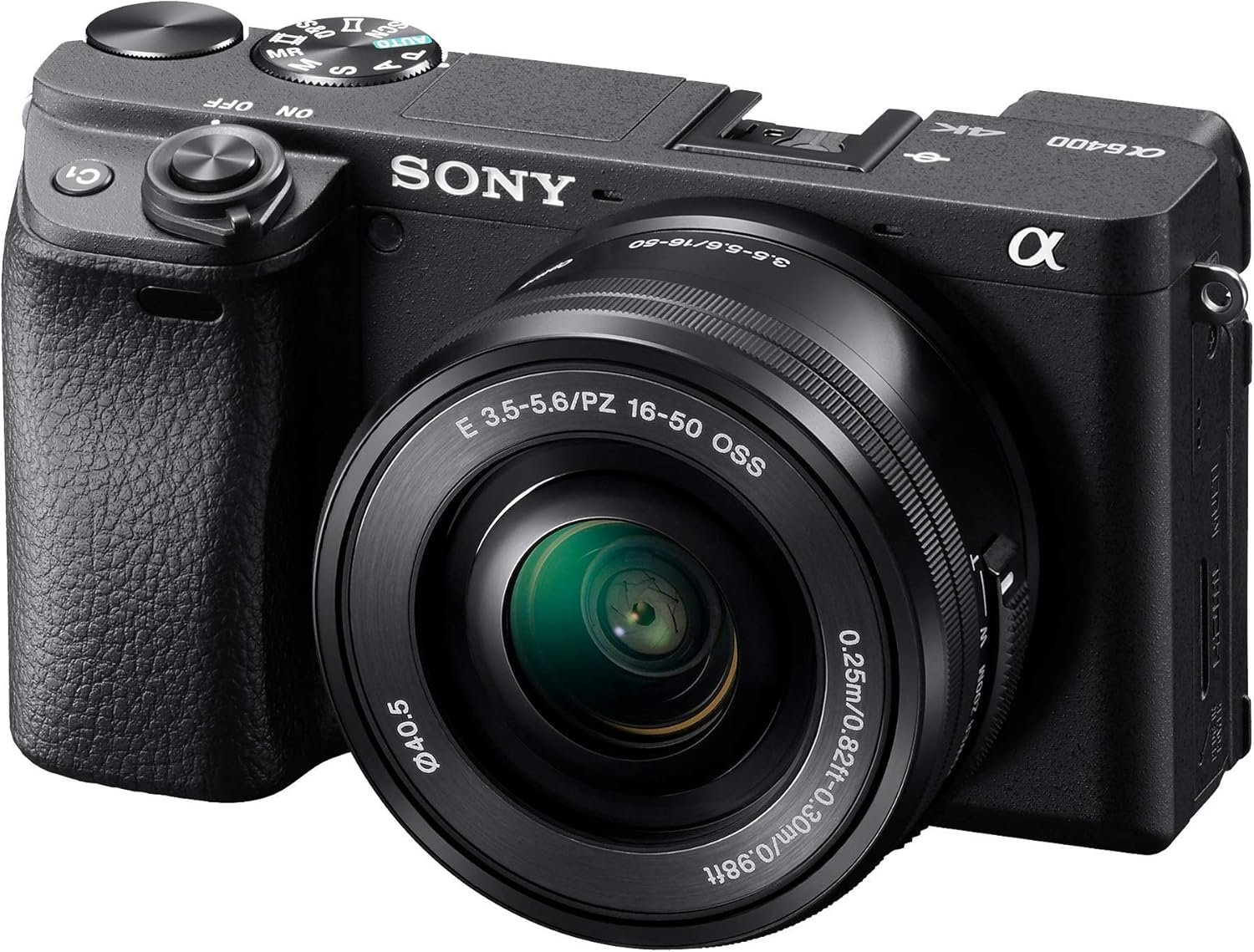
Sony A6400
Key Features
- 24.2MP APS-C sensor
- Compact and lightweight design
- Fast autofocus system
- Excellent image quality for beginners
Why it’s good for stargazing
The Sony A6400 is a great entry-level camera for astrophotography. Although it uses a smaller APS-C sensor, it still performs very well in low-light conditions and is much more affordable than full-frame models.
Best for
- Beginner astrophotographers
- Travel bloggers
- Budget photographers
Approximate Price
$900 – $1,100
Faqs About Best Places to Stargaze in Nepal
Is Nepal good for stargazing?
Yes, Nepal is an excellent destination for stargazing. The country has many high-altitude locations with minimal light pollution, especially in remote mountain regions. Clear skies and dry seasons make it possible to see thousands of stars, planets, and even the Milky Way with the naked eye.
Where can you see the Milky Way in Nepal?
The Milky Way can be seen from many dark sky locations in Nepal. Some of the best places to stargaze in Nepal include Rara Lake, Shey Phoksundo Lake, and Annapurna Base Camp. These areas are far from city lights and offer extremely clear night skies.
What is the best month for stargazing in Nepal?
The best months for stargazing are October, November, March, and April. These seasons usually have clear skies and stable weather conditions. Autumn is particularly popular because the air becomes very clean after the monsoon season.
Do you need a telescope for stargazing?
No, a telescope is not required for stargazing. Many stars, planets, and the Milky Way can be seen with the naked eye. However, binoculars or telescopes can help you see more details such as star clusters and distant galaxies.
Can you see stars from Kathmandu?
It is possible to see stars from Kathmandu, but light pollution makes it difficult to see many celestial objects. For better stargazing experiences, travelers should visit nearby mountain areas like Kalinchowk Bhagwati Temple or remote trekking regions.
What equipment do you need for astrophotography?
The basic equipment includes:
- A DSLR or mirrorless camera
- Wide-angle lens (14–24mm recommended)
- Tripod
- Extra batteries
- Remote shutter or timer
These tools allow photographers to capture clear images of stars during long exposures.
Can beginners photograph the Milky Way?
Yes. Beginners can photograph the Milky Way using an entry-level mirrorless camera, a wide-angle lens, and a tripod. With the correct settings high ISO, wide aperture, and long exposure it is possible to capture stunning Milky Way images even without professional equipment.
Are there dark sky parks in Nepal?
Nepal does not currently have officially designated dark sky parks, but many remote regions function like natural dark sky areas due to low population density and minimal artificial lighting.
Why are mountains good for stargazing?
Higher elevations reduce atmospheric distortion and pollution. This makes the sky appear clearer and allows stars to shine more brightly compared to lower elevations.
